With Graham Platner's Exit Looming, Democrats Line Up to Replace Him
Graham Platner hasn't officially left the Senate race yet, but the rumor mill has been churning so hard it might as well be a done deal. Behind the scenes, Democratic operatives and potential candidates are already jockeying for position, preparing for what could become a crowded and contentious primary. The question isn't just who will replace Platner, but whether the party can avoid a messy internal fight that could weaken its chances in the general election.
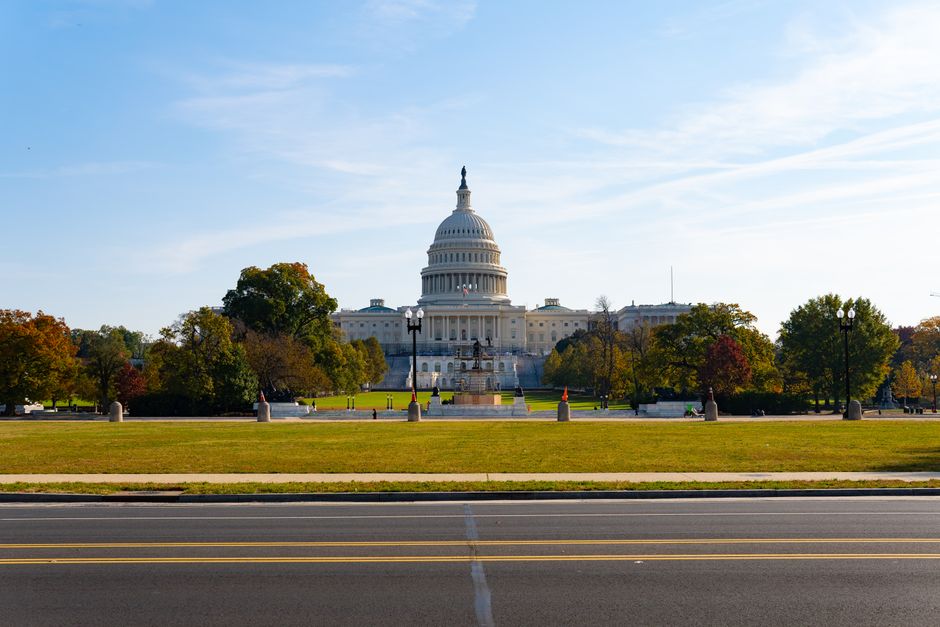
Platner, a moderate Democrat who has held his seat for two terms, has been signaling his exit for months. Donors have reported a slowdown in fundraising calls, and his public schedule has been light on campaign events. While his office insists no final decision has been made, the writing is on the wall. That has set off a quiet scramble among ambitious Democrats who see an open seat as a rare opportunity.
The Early Front-Runners
State Senator Maria Torres is the name most frequently mentioned in political circles. She represents a swing district and has built a reputation for bipartisan deal-making, which could appeal to the moderate voters Platner once courted. Torres has been meeting with donors and key party leaders, and sources say she is already assembling a campaign team. But she's not alone. Former mayor David Chen, who lost a gubernatorial primary last cycle, is eyeing the race as a comeback vehicle. Chen has name recognition and a war chest of leftover funds, but he carries baggage from his controversial tenure on the city council.
Then there's the wild card: activist and small-business owner Jasmine Reeves. She's never held elected office, but her grassroots organizing during the last election cycle earned her a loyal following. Reeves represents the party's progressive wing, and her entry could force Torres and Chen to tack left in the primary, creating a potential vulnerability in the general election.
What the Party Needs
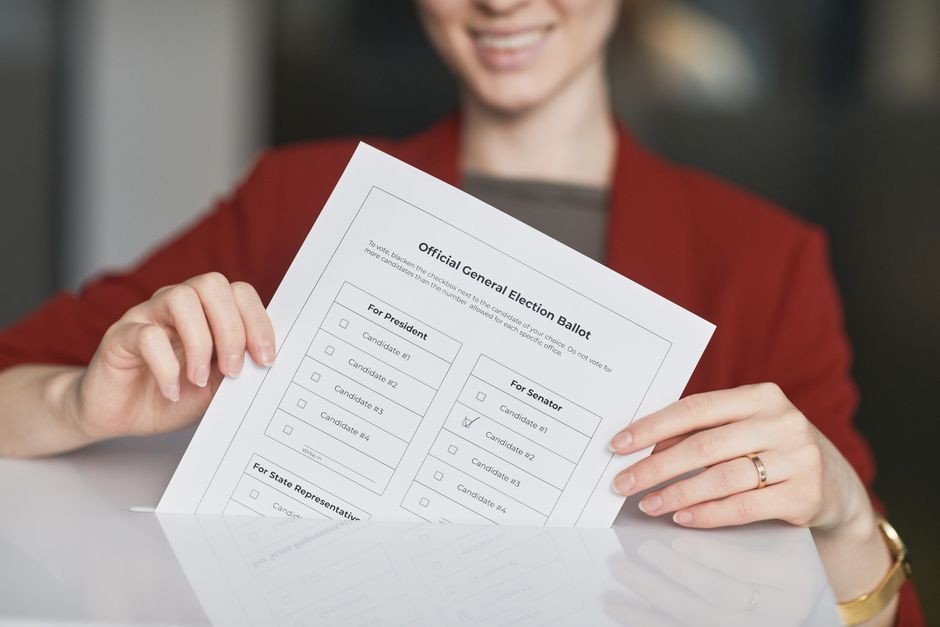
Democratic strategists are privately worried. The district Platner represents is a classic swing seat—suburban, diverse, and increasingly independent. A primary fight that drags on for months could bleed resources and energize the Republican opposition. "We need a candidate who can hold the center without alienating the base," one party insider told me. "That's a tightrope, and not everyone can walk it."
Meanwhile, the Republican field is already taking shape. Businessman Tom Harlow, who came within five points of Platner last time, has been fundraising aggressively. He's framing himself as a pragmatic alternative to the "D.C. chaos." If Democrats emerge from their primary bruised and broke, Harlow could be well-positioned to flip the seat.
The Clock Is Ticking
Platner's official announcement is expected within weeks, possibly before the end of the month. Once he steps aside, the filing deadline will trigger a compressed primary calendar. That means candidates have to move fast—building staff, raising money, and introducing themselves to voters before the media narrative is set. For now, the race is a game of whispers and backroom deals. But soon, it will be a very public fight for a very important seat.
