Why Trump's 'Better Behave' Ultimatum to Iran Changes Nothing
The phrase landed like a thud heard round the world. Donald Trump, never one for diplomatic nuance, warned Tehran it 'better behave' as the US launched what officials described as 'fresh strikes.' But strip away the tough talk and the headlines, and a more complicated picture emerges—one where ultimatums rarely produce the results their authors intend.
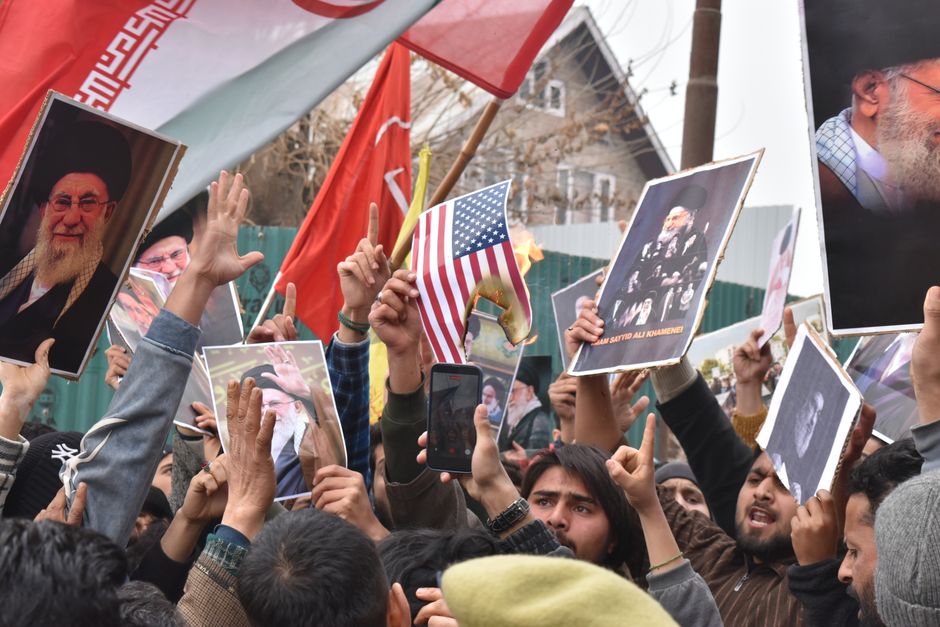
What exactly did the strikes target? According to the limited information available, the US military conducted operations against what it called 'Iranian-backed forces' in Syria. Not inside Iran itself. That distinction matters. It suggests the administration is playing a careful game of escalation management—loud rhetoric paired with calibrated action designed to send a message without triggering a full-blown conflict.
The Problem with 'Better Behave' Diplomacy
Telling a sovereign nation to 'behave' carries an implicit assumption: that the speaker holds the moral high ground and the target is misbehaving. History suggests this framing rarely de-escalates tensions. Data from the Carnegie Endowment for International Peace indicates that public ultimatums between nations escalate into armed conflict roughly 40% of the time. When the demand is vague—'behave'—the odds worsen because neither side agrees on what constitutes compliance.
Iran's leadership, for its part, has its own domestic pressures. The regime faces a restive population, economic sanctions, and declining public trust. A foreign leader telling them to 'behave' becomes a useful rallying cry, allowing Tehran to paint itself as the victim of American aggression. The harder the US pushes, the more Iran's hardliners benefit.
- Escalation risks: Vague threats invite miscalculation. Iran might test what 'misbehaving' actually means, provoking further strikes.
- Diplomatic dead ends: Public humiliation makes it harder for Iranian moderates to negotiate without losing face.
- Regional instability: Every strike on Iranian proxies in Syria risks drawing in Russia, Turkey, and other players with competing interests.
What the Strikes Actually Accomplish
Military analysts often describe such operations as 'sending a message.' But messages require a receiver willing to listen. The strikes reportedly destroyed some weapons caches and training facilities used by Iranian-backed militias. Tactically, that's a win. Strategically, it's a treadmill. According to a 2023 RAND Corporation study, targeted strikes against non-state groups reduce their operational capacity by an average of only 15 to 20 percent—and that capacity typically regenerates within six months.
The real audience for these strikes may not be Tehran at all. It's domestic. Trump's base expects toughness on Iran. The strikes deliver a visual of American strength, even if the underlying dynamic remains unchanged. Meanwhile, Iran continues its nuclear enrichment program, expands its missile capabilities, and deepens its alliances with Russia and China. The strikes don't touch those larger strategic realities.
The Diplomatic Vacuum
Notice what's missing from this story: any mention of a diplomatic track. The US pulled out of the Joint Comprehensive Plan of Action (JCPOA) in 2018 and has since pursued a policy of 'maximum pressure'—sanctions, strikes, and ultimatums. But pressure without a credible off-ramp doesn't produce surrender; it produces resistance. Experts note that Iran's breakout time to produce enough fissile material for a nuclear weapon has shrunk from roughly 12 months under the JCPOA to just a few weeks today. That's not a sign of a policy working.
What would a smarter approach look like? It wouldn't involve telling a nation to 'behave.' It would involve quiet, backchannel negotiations, perhaps through Oman or Qatar, where both sides could explore mutual interests—like reducing violence in Iraq and Syria or limiting Iran's nuclear program. It would require the US to acknowledge that Iran has legitimate security concerns, even if its methods are objectionable. That kind of realism rarely makes for good headlines, but it makes for better outcomes.
For now, the cycle continues. Strikes, warnings, retaliation, more strikes. The phrase 'better behave' will be forgotten, but the underlying tensions will not. And that's the real story: not the bombs, but the absence of any strategy to make them unnecessary.
