Why Fans Flocked to Watch the World Cup Final in Public Spaces
On a Sunday afternoon that felt more like a block party than a sporting event, thousands of people across the US and Canada packed into bars, plazas, and living rooms with giant screens. They weren't just watching a soccer match—they were participating in a collective ritual that has become as much a part of the World Cup as the trophy itself. But what exactly drives people to leave the comfort of their couches and gather in crowds to watch a single game?
What Makes Public Viewing Events Different from Watching at Home?
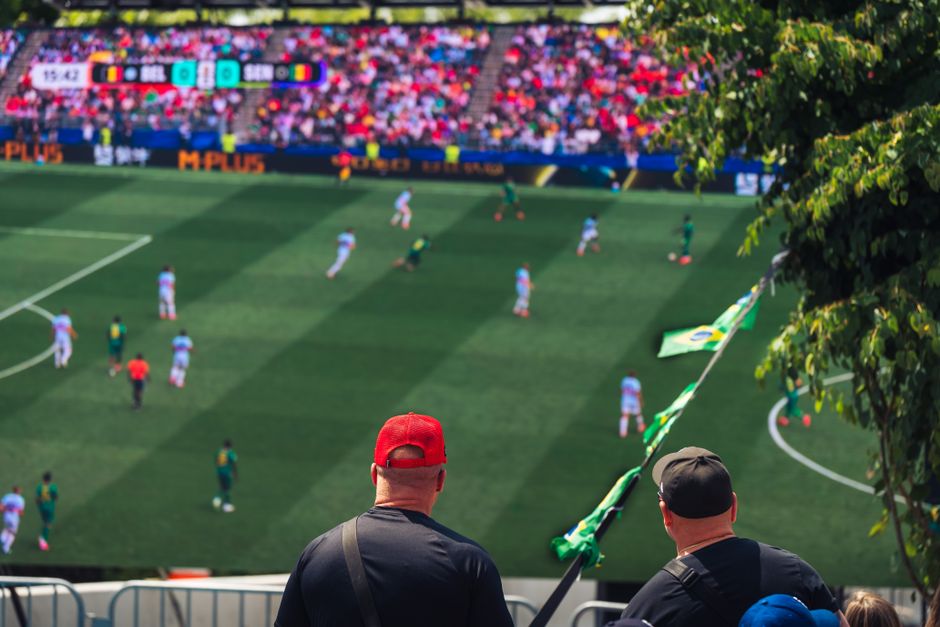
At its core, a public viewing event transforms a private experience into a shared one. When you watch a World Cup final alone or with a few friends, your reactions are contained. But in a plaza filled with hundreds of strangers wearing jerseys from both sides, every goal becomes a sonic boom. The energy is contagious—studies in sports psychology suggest that group cheering releases endorphins that amplify the emotional high. According to research on collective effervescence, a term coined by sociologist Émile Durkheim, these gatherings create a sense of unity that transcends the game itself.
There's also a practical layer: many people don't have access to premium sports channels or large televisions. Public viewings democratize the experience, letting anyone with a pulse join the action without a cable subscription. In cities like Toronto, Vancouver, and New York, organizers set up screens in parks and squares specifically to welcome fans who might otherwise miss out.
How Do These Gatherings Actually Work?
Organizing a public viewing isn't as simple as dragging a TV outside. It requires permits, security, sound systems, and often partnerships with local businesses or soccer clubs. In many cases, fan groups—like the American Outlaws or local supporters' clubs—take the lead. They scout locations, negotiate with bars or city officials, and spread the word through social media and word of mouth.
- Permits and logistics: Cities often require event permits for gatherings over a certain size. Organizers must plan for crowd control, restrooms, and emergency exits.
- Screen and audio setup: A high-quality projection screen or LED wall is essential, along with speakers that can cover a large area without distorting the commentary.
- Merchandise and food: Many events feature vendors selling jerseys, flags, and snacks—turning the viewing into a mini-festival.
In Canada, where soccer's popularity has surged in recent years, the 2023 World Cup final drew record crowds to public venues. Data from event organizers in Toronto estimated that over 15,000 people gathered at a single downtown square, with thousands more spilling into adjacent streets. The scene was a mosaic of flags—some painted on faces, others draped over shoulders—and the air smelled like grilled meat and anticipation.
Why Do These Moments Matter Beyond the Scoreline?
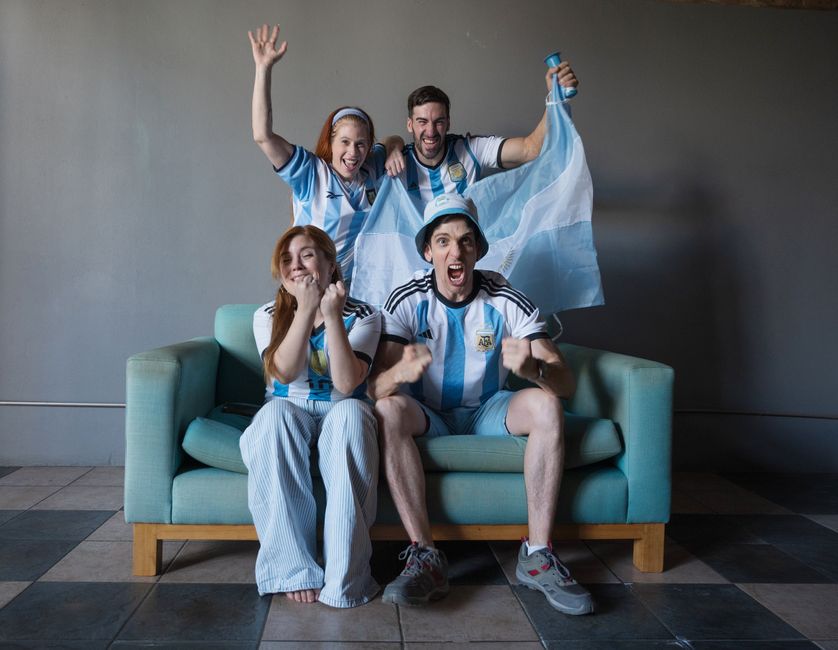
The World Cup final is more than a game; it's a global conversation. When fans gather in public, they're not just watching athletes compete—they're witnessing history together. For immigrant communities, these events can be a powerful connection to home. A family from Mexico City watching in a Los Angeles park, or a group of Moroccan fans in Montreal, find solidarity in a shared cultural touchstone.
Experts note that these gatherings also have a civic dimension. They temporarily transform anonymous urban spaces into communities. A person who might never speak to a stranger on the subway suddenly high-fives them after a goal. This social bonding, though fleeting, can strengthen neighborhood ties and even boost local economies—bars and restaurants near viewing sites often see a 30 to 50 percent increase in sales during major matches.
The images from this year's final tell a story of joy that cuts across borders. In Vancouver, fans danced in the rain. In Chicago, they stood shoulder-to-shoulder in a steamy pub. In a small town in upstate New York, a church parking lot became a makeshift stadium. What unites them is not just a love for soccer, but a hunger for shared experience—the kind that reminds us we're part of something larger than ourselves.
So the next time you see a crowd gathered around a screen in a park, don't just see a bunch of people watching TV. See a temporary tribe, built on the simple, powerful act of watching together.
