When Your Sky Turns Orange: Canada's Wildfires Redraw the US Air Quality Map
On a Tuesday morning in early June, New Yorkers woke to an orange sky that looked like a still from a sci-fi film. The air smelled of a campfire, but no one was roasting marshmallows. Across the eastern seaboard, from Toronto to Washington D.C., the air quality index (AQI) hit levels normally reserved for industrial accidents. The culprit wasn't a local power plant or a chemical spill — it was a cluster of wildfires burning hundreds of miles away in Quebec and Ontario. This wasn't a freak event; it was a preview of a new normal.
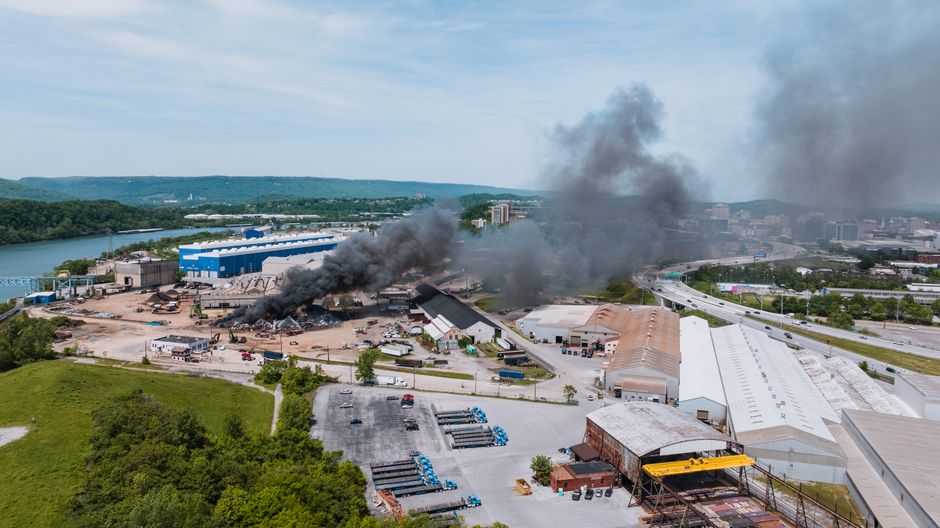
The immediate cause is straightforward: Canada is burning. As of early June 2023, over 400 active wildfires were recorded, with more than half classified as out of control. The smoke, carried south by a stubborn weather pattern, turned the air in major U.S. cities into a health hazard. New York City's AQI peaked above 400 — a level the EPA labels 'hazardous' for everyone, not just sensitive groups. But the deeper story is about how a warming climate, changing forest management, and urban vulnerability are converging in ways we're only beginning to understand.
The Perfect Atmospheric Recipe
Smoke from Canadian wildfires drifting into the U.S. isn't new — it happened in 2021, and again in 2022. But the scale and intensity of this event were unusual. Meteorologists point to a specific setup: a high-pressure system parked over the Atlantic and a low-pressure system over the Great Lakes created a conveyor belt that funneled smoke directly into the Northeast. Normally, smoke from Quebec fires gets pushed out to sea. This time, it got stuck.
The result was a blanket of fine particulate matter — PM2.5 — that penetrated deep into lungs. According to data from AirNow, a partnership of federal agencies, cities like Philadelphia, Baltimore, and Boston all saw AQI readings above 200 (very unhealthy) for consecutive days. The smoke didn't just dim the sun; it changed the color of daylight itself, scattering shorter wavelengths and leaving only an eerie orange-red glow.
Health Risks That Go Beyond a Scratchy Throat
When people talk about wildfire smoke, they often focus on the immediate discomfort: stinging eyes, a raspy cough, the smell clinging to clothes. But the real danger is invisible. PM2.5 particles are small enough to bypass the body's defenses, entering the bloodstream and triggering inflammation. Studies show that even short-term exposure can increase the risk of heart attacks, strokes, and asthma attacks. For the elderly, pregnant women, and children, the stakes are even higher.
- During the 2023 event, emergency room visits for asthma in New York City spiked by 50% compared to the same period in previous years, according to city health department reports.
- Schools across the region canceled outdoor activities, and major league baseball games were postponed — a practical acknowledgment that no amount of athletic training makes your lungs immune to toxic air.
- Air purifier sales in the Northeast jumped 300% in a single week, according to retail data, as people scrambled for protection that should have been in place before the sky turned orange.
Experts note that the health burden isn't distributed equally. Low-income neighborhoods, often located near highways or industrial zones, already suffer from higher baseline pollution. When wildfire smoke rolls in, it compounds existing inequalities. A person living in a walk-up apartment without air conditioning has few options: open the window and let in the smoke, or close it and risk heat exhaustion.
Climate Change Is the Engine, Not Just the Spark
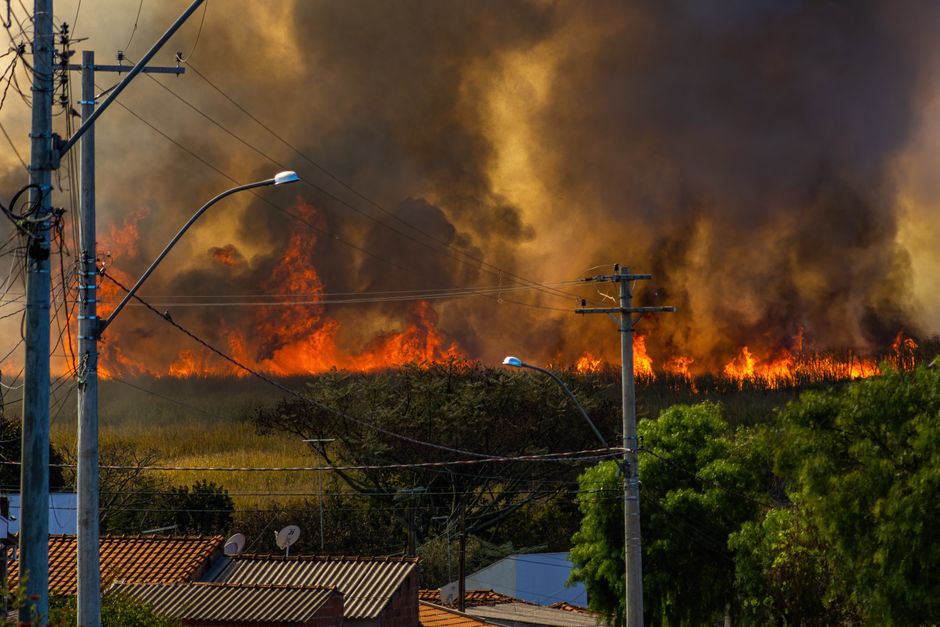
It's tempting to frame this as a weather fluke — a random alignment of wind and fire. But the data tells a different story. Canada's fire season is starting earlier and lasting longer. According to the Canadian Interagency Forest Fire Centre, the area burned in 2023 was already 13 times the 10-year average by early June. Hotter, drier conditions, linked to climate change, are turning boreal forests into tinderboxes. These northern forests have evolved with fire, but they're now burning at intensities that overwhelm natural cycles.
What does this mean for U.S. cities? It means that the 'Canadian fire season' is no longer a Canadian problem. The smoke doesn't stop at the border. Cities like Chicago, Detroit, and even Denver have experienced similar events in recent years. The infrastructure to handle it — from public health messaging to air filtration in schools — is still playing catch-up. The EPA's Air Quality Index, designed for local pollution sources, struggles to communicate the risks of a multi-day smoke event that turns the sky apocalyptic.
The trend is clear: as the Arctic warms faster than the rest of the planet, the jet stream becomes wobbly, more prone to blocking patterns that trap smoke over populated areas. This isn't speculation — it's what climate models have predicted for years, now playing out in real time.
What a Smoky Future Demands
There's no single solution. Better forest management in Canada — including controlled burns and thinning — can reduce fuel loads. But that requires funding and political will that often arrives only after a crisis. On the U.S. side, cities need to invest in clean air shelters, distribute HEPA filters to vulnerable households, and create real-time alert systems that go beyond a phone notification. The American Lung Association has called for updated building codes that require better filtration in schools and public housing.
Individual actions matter, too. N95 masks, originally stockpiled for COVID-19, turned out to be effective against smoke particles. Keeping windows sealed, running air purifiers, and avoiding outdoor exertion are temporary measures that work. But they're band-aids on a wound that needs surgery. The deeper lesson of the orange sky is that the atmosphere doesn't respect borders. A fire in Quebec can close a school in Brooklyn. The only way to address that is to address the root cause: a warming planet that makes these fires more frequent and more ferocious.
Next summer, the smoke will likely return. Maybe it'll be from Alberta, or British Columbia, or even California. The question isn't whether it will happen — it's whether we'll be ready. The orange sky was a warning. Ignoring it would be the real disaster.
