What Is Climate Change Evidence and Solutions? A Plain-English Guide
The planet is warming, but that statement alone doesn't tell you much. It's like saying "traffic is bad" — sure, but is it five minutes late or two hours stuck on the highway? The difference matters. When scientists talk about climate change evidence, they're not pointing at one thermometer in one city. They're describing a global pattern stitched together from thousands of data points, satellite images, ice cores, and ocean buoys. And the solutions? Those are less about one magic switch and more about a toolbox full of different wrenches, each for a different bolt. Let's break down what we actually know and what we can actually do.
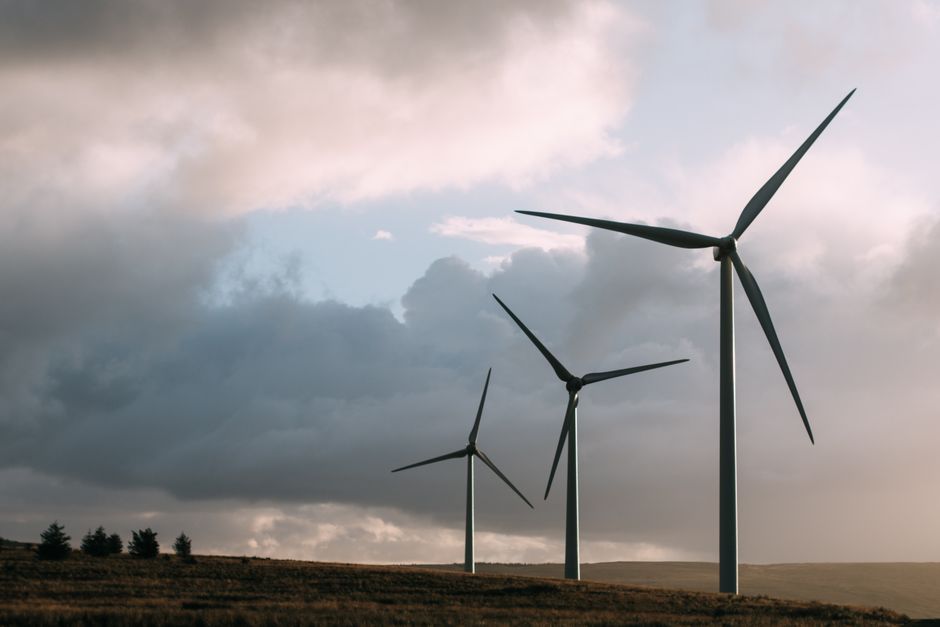
The evidence for climate change doesn't come from a single source — it comes from overlapping lines of inquiry that all point in the same direction. Think of it like a detective building a case: no one clue solves the mystery, but when fingerprints, a witness, and a receipt all agree, you've got something solid. According to research compiled by the Intergovernmental Panel on Climate Change, the planet's average surface temperature has risen by about 1.1°C since the late 19th century. That number might sound small, but it represents an enormous amount of heat energy — enough to melt glaciers, raise sea levels, and shift weather patterns. The ten warmest years on record have all occurred since 2010. That's not a coincidence; that's a pattern.
How Do We Know the Climate Is Changing?
The evidence stacks up in layers. First, there's the thermometer record — ground-based stations around the world that have been taking temperatures for over a century. But scientists don't stop there. They drill into ice sheets in Antarctica and Greenland, pulling up cylinders of ancient ice that contain trapped air bubbles. Those bubbles tell us what the atmosphere was like hundreds of thousands of years ago. The data shows that carbon dioxide levels today are higher than they've been in at least 800,000 years. That's not an opinion; it's a measurement.
Then there's the ocean. About 90% of the excess heat from greenhouse gases gets absorbed by the ocean. That heat doesn't just disappear — it causes seawater to expand, which drives up sea levels. Satellite data shows that global sea level has risen about 8 inches over the past century, and the rate is accelerating. The ocean is also becoming more acidic as it absorbs more carbon dioxide, which harms shellfish and coral reefs. These aren't theoretical projections. These are measurements taken by instruments on ships, satellites, and buoys.
- Glaciers are retreating: From the Alps to the Andes to the Himalayas, glaciers are shrinking at rates not seen in thousands of years.
- Arctic sea ice is declining: September sea ice extent has decreased by about 13% per decade since 1979.
- Extreme weather is becoming more common: Heatwaves, heavy rainfall, and droughts are occurring with greater frequency and intensity.
What Are the Real Solutions?
Here's where things get practical. The solutions to climate change fall into two broad buckets: mitigation and adaptation. Mitigation means stopping the problem from getting worse — reducing greenhouse gas emissions. Adaptation means adjusting to the changes that are already happening. Both are necessary, but they require different approaches.
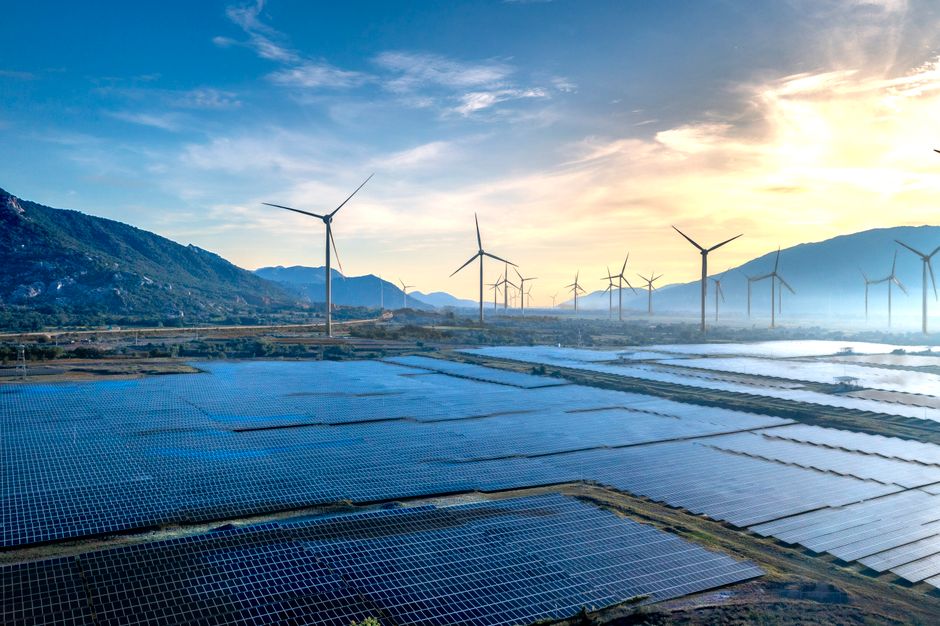
On the mitigation side, the biggest lever is energy. Burning fossil fuels for electricity, heat, and transportation is the single largest source of greenhouse gas emissions. Shifting to renewable energy sources like solar and wind is not just an environmental choice; it's increasingly an economic one. The cost of solar panels has dropped by more than 80% since 2010. Wind power is now cheaper than coal in many parts of the world. According to data from the International Energy Agency, renewable energy is set to account for nearly 95% of the increase in global power capacity through 2026. That's not a prediction from activists; that's from the world's leading energy agency.
But energy is only part of the picture. Agriculture, industry, and land use also contribute significantly. Solutions here include reducing food waste (roughly one-third of all food produced is never eaten), improving farming practices to store carbon in soil, and protecting forests that absorb carbon dioxide. On the adaptation side, cities are building sea walls, farmers are planting drought-resistant crops, and communities are developing early-warning systems for extreme weather. None of these solutions are silver bullets, but together they form a realistic path forward.
What Can Individuals Actually Do?
Individual actions get a lot of attention, and they can add up — but they work best when paired with systemic change. Driving less, eating less meat, insulating your home, and choosing renewable energy where available all help reduce your personal carbon footprint. But the most impactful thing most people can do is use their voice: vote for leaders who take climate change seriously, support policies that price carbon or invest in clean energy, and talk about the issue with friends and family. Climate change is a collective problem, and collective action is what ultimately moves the needle. The evidence is clear. The solutions exist. The question is whether we'll use them in time.
