US Sea Drone Rescues Helicopter Crew: What We Know
The US military has pulled off a rescue that sounds like something out of a sci-fi novel: an unmanned sea drone plucked downed helicopter crew members from the water. The operation, carried out earlier this month off the coast of California, marks one of the first times an autonomous vessel has been used for a live rescue. Here's what we know so far about how it happened, what drone was used, and what this means for future missions.
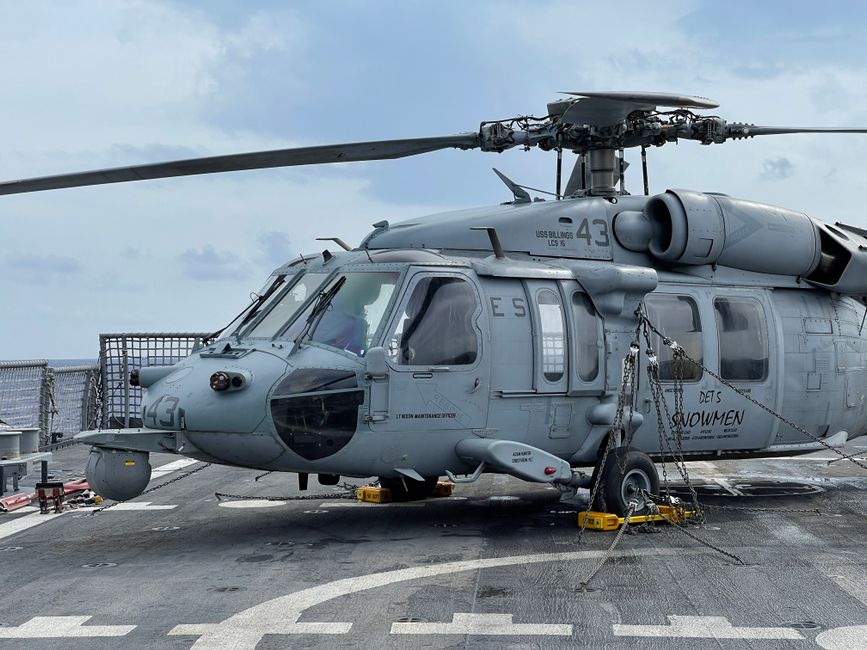
The rescue involved a Saildrone Explorer, a 23-foot unmanned surface vehicle (USV) designed for ocean data collection, not combat. But when a Navy MH-60S Seahawk helicopter went down during a routine training exercise, the drone became an unexpected lifeline. The helicopter crew—two pilots and two crew members—ejected safely and were in the water when the Saildrone, which happened to be in the area, was redirected to their location by the Coast Guard. The drone arrived within minutes, its onboard cameras and sensors helping to locate the survivors in choppy seas.
How the Drone Pulled Off the Rescue
The Saildrone Explorer isn't built for heavy lifting—it's essentially a sailboat with a high-tech brain. But its hull is stable enough to serve as a temporary refuge. The crew members, wearing life vests, were able to climb onto the drone's deck, where they waited until a Coast Guard cutter arrived to pick them up. The drone's operators, working from a control center hundreds of miles away, used satellite links to guide it close to the survivors. The whole process took less than 30 minutes from the initial distress call.
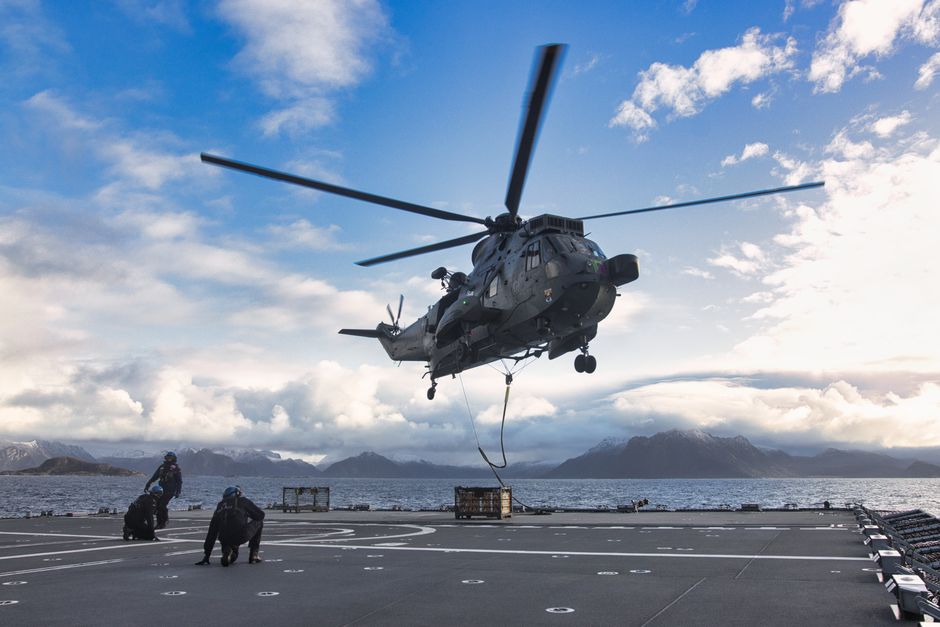
This wasn't a pre-planned mission. The drone was originally deployed for oceanographic research, collecting data on wind, temperature, and currents. Its sudden repurposing highlights a key advantage of unmanned systems: flexibility. Unlike manned vessels that require crew rest and pre-mission planning, a drone can be rerouted instantly. The Navy and Coast Guard are now studying how to integrate such assets into standard search-and-rescue protocols.
What This Means for the Future
The rescue has sparked interest in adapting USVs for emergency response. Saildrone's CEO, Richard Jenkins, told reporters that the company is already working on modifications that would make future models better suited for rescues—like adding grab rails and emergency communication gear. The Pentagon is also looking at how to deploy drones in pairs or groups, so one can be used for rescue while another continues its primary mission. For now, the rescued crew members are recovering, and the Saildrone is back to collecting data. But the story of how a robot sailboat became a lifeboat will likely be studied for years to come.
