Trump’s Supreme Court Day: One Big Win, Three Stinging Defeats
The Supreme Court handed Donald Trump a mixed bag on Monday, delivering one significant victory alongside three defeats that could reshape the legal landscape for the former president. The rulings, issued in rapid succession, left courtroom observers scrambling to parse the implications as the justices weighed in on immunity, tax returns, and executive power.
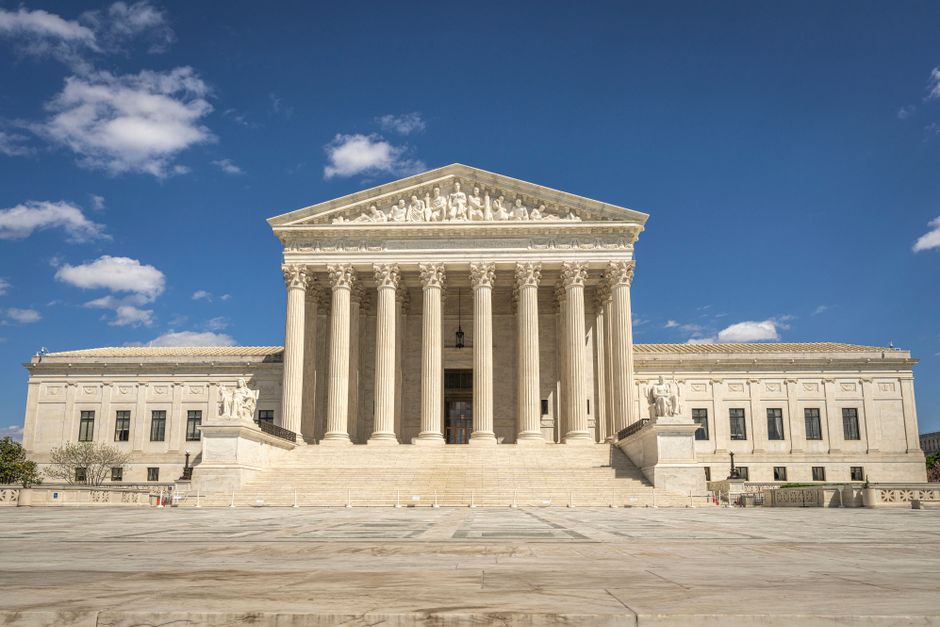
The biggest win for Trump came in a case involving presidential immunity from civil lawsuits. The Court ruled 6-3 that former presidents are shielded from certain lawsuits over official acts, a decision that could protect Trump from ongoing litigation related to his time in office. Justice John Roberts, writing for the majority, argued that allowing such suits would distract sitting presidents from their duties. Trump’s legal team celebrated the outcome, calling it a validation of executive authority.
The Tax Return Defeat
But the day’s other rulings cut sharply the other way. In a 7-2 decision, the Court rejected Trump’s attempt to block the release of his tax returns to a House committee. The justices refused to hear his emergency appeal, effectively clearing the way for the Treasury Department to hand over eight years of financial records. The documents, long sought by Democrats, could reveal details about Trump’s business dealings and potential conflicts of interest. Legal experts say this defeat removes a key barrier in the ongoing oversight battle between Congress and the former president.
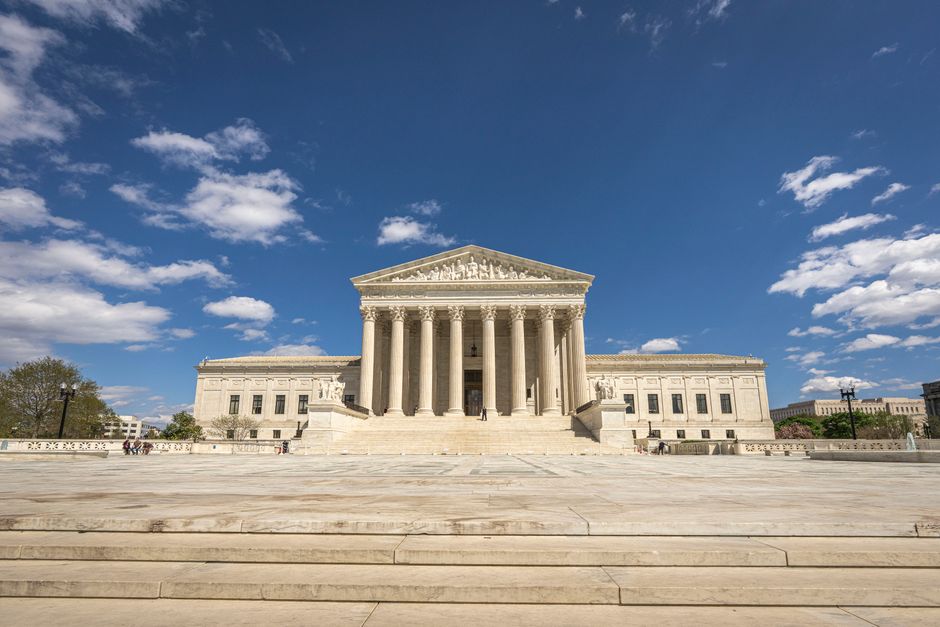
Another blow came in a separate case involving Trump’s efforts to shield documents from a New York grand jury. The Court declined to intervene, allowing Manhattan District Attorney Cyrus Vance Jr. to enforce a subpoena for financial records. This ruling, also 7-2, means investigators can now access Trump’s tax returns and other documents as part of a criminal probe into hush-money payments and business practices. The decision marks a major setback for Trump, who had fought for months to keep the records sealed.
The Third Defeat: Subpoena Power
The third defeat struck at Trump’s broader claims of executive privilege. The justices let stand a lower court ruling that upheld a congressional subpoena for testimony from former White House officials. While the decision didn’t name Trump directly, it effectively ended his bid to block former aides from speaking to lawmakers about his actions during the January 6 Capitol riot. The ruling reinforces Congress’s power to investigate presidential conduct, even after an administration ends.
Together, the three defeats signal a narrowing of Trump’s legal options as he faces multiple investigations. The immunity win, while significant, applies only to civil suits over official acts—it doesn’t shield him from criminal probes or state-level inquiries. As the day ended, Trump’s lawyers were already planning next moves, but the Court’s message was clear: the former president is not above the law.
