Trump reignites founding debate: How much power is too much?
When the Founding Fathers sat down in Philadelphia in 1787, they had a singular obsession: preventing any one person from becoming a king. Fast forward to 2025, and that same anxiety is keeping constitutional scholars up at night. Donald Trump's return to the White House has forced Americans to revisit a question the Framers never fully answered: where exactly does presidential power end?
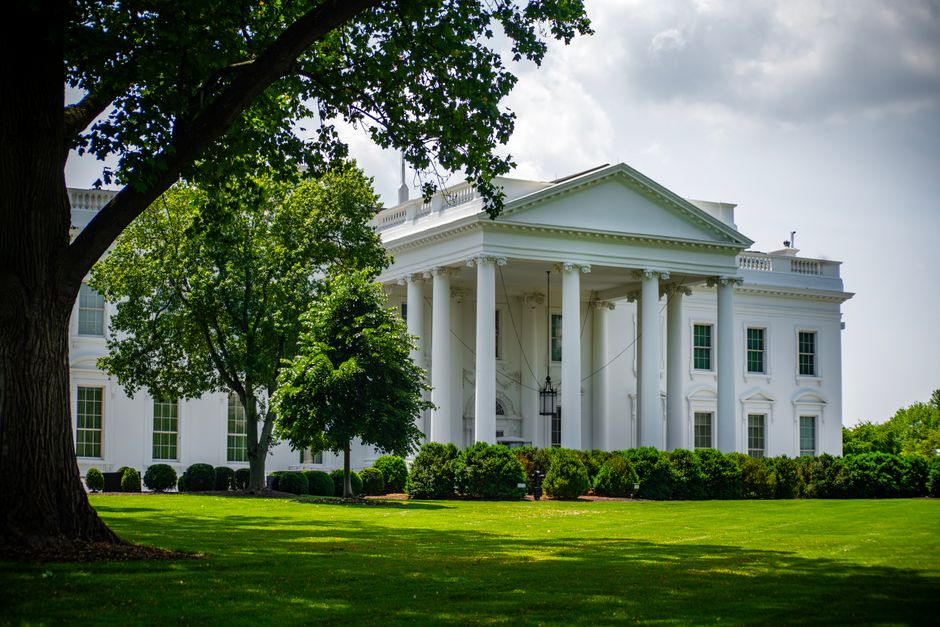
The debate isn't academic. Trump's second term has already tested boundaries that previous presidents treated as unwritten rules. He has fired FBI directors without cause, bypassed Congress on trade tariffs, and used executive orders to freeze billions in congressionally approved spending. To his supporters, this is efficiency. To critics, it's a slow-motion constitutional crisis.
The original design: a weak executive on purpose
The Constitution's Article II is deliberately vague. It grants the president "executive power" but doesn't define it. Alexander Hamilton argued in Federalist No. 70 that a single executive was essential for "energy" in government. But he also assumed Congress would push back. The system relied on ambition countering ambition. What happens when one branch stops pushing back?
Trump's first term offered a preview. He tested the emoluments clause, challenged subpoenas, and refused to cooperate with impeachment inquiries. Courts mostly ruled against him, but the process took years. By the time rulings came down, the damage was done. Now, with a friendlier Supreme Court and a Republican House, the guardrails look flimsier than ever.
Where the rubber meets the road
Consider the Impoundment Control Act of 1974. Passed after Nixon tried to withhold funds for programs he disliked, it requires presidents to spend money Congress appropriates. Trump has openly challenged this law, arguing that the president has constitutional authority to refuse spending. If he wins that fight, it would fundamentally shift the balance of power—giving the White House a line-item veto the Constitution never intended.
Then there's the Justice Department. Historically, the attorney general operated with significant independence. Trump has made clear he expects loyalty. In 2020, he pushed to investigate political rivals. Now, with a handpicked AG, the line between law enforcement and political protection has blurred. Critics say this is exactly what the Founders feared: a president who controls the prosecutor.
What the other side says
Defenders argue that the modern presidency requires flexibility. The world is faster, threats are more complex, and Congress is gridlocked. Trump's supporters point to the pandemic response under Biden, the Afghanistan withdrawal, and the border crisis as examples of executive failure when the president was too constrained. They say a strong hand is needed to cut through bureaucracy.
There's also a legal argument. The unitary executive theory, long championed by conservative jurists, holds that the president has total control over the executive branch. Every firing, every policy shift, every priority is his call. This theory gained traction during the Reagan years and has been embraced by Trump's team. It's not fringe anymore—it's the basis for many of his actions.
But here's the rub: the Constitution doesn't give the president the power to ignore laws. It gives him the power to execute them. The difference matters. When a president stops executing laws he dislikes, he's not being efficient—he's rewriting the deal.
The debate is unlikely to be settled in court. It will be settled by voters. The question isn't just how much power a president should have, but whether Americans still trust the system enough to let it work. That's the real test the Founders left us.
