The Real Brain Food: Why Your Grocery List Matters More Than Puzzles
We’ve all heard the advice: do crosswords, learn a language, play chess. Keep your mind active, they say, and you’ll stave off memory loss. But I’ve started to wonder if we’re focusing on the wrong kind of exercise. For years, I treated my brain like a muscle that just needed mental reps. Then I stumbled into the science of nutrition, and it hit me: I’d been feeding my brain junk while trying to train it like an Olympic athlete. The truth is, what you put on your plate may matter more for your memory than any Sudoku puzzle ever could. This isn’t about trendy superfoods or expensive supplements. It’s about the everyday ingredients that quietly support the organ running the show.
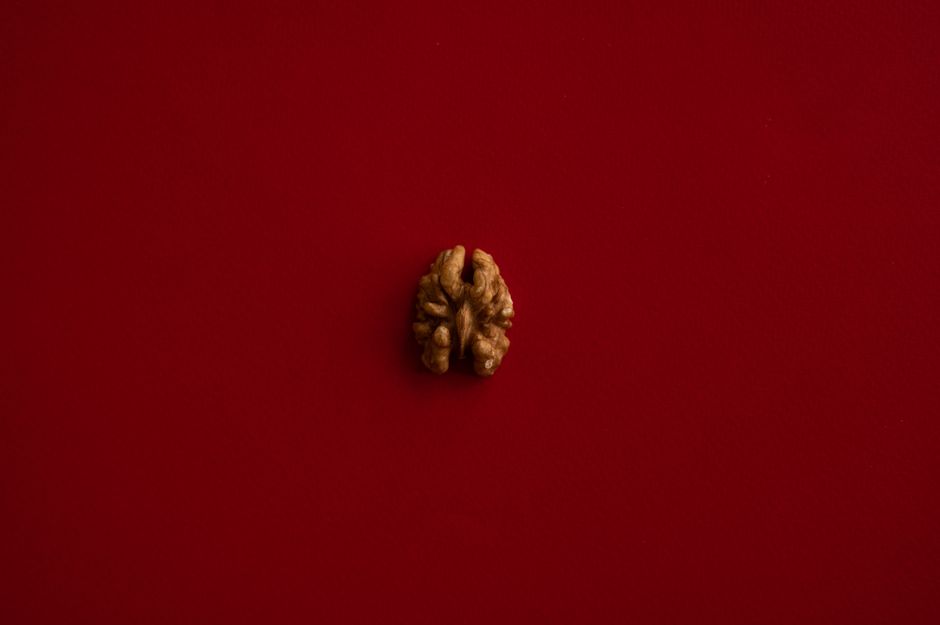
Fat Is Not the Enemy — It’s the Fuel
One of the biggest myths I had to unlearn was that fat is bad for you. In reality, your brain is about 60 percent fat, and it craves specific types to function well. Omega-3 fatty acids, particularly DHA, are the stars here. They help build cell membranes in the brain and have been linked to slower cognitive decline. According to research, people who eat fatty fish like salmon, sardines, or mackerel at least twice a week tend to have more gray matter — the tissue packed with neurons that process information. I started adding canned sardines to my salads (a cheap hack that feels gourmet) and noticed my focus sharpening by mid-afternoon. It’s not magic; it’s biology.
The Usual Suspects: Berries, Greens, and a Little Darkness
You’ve probably heard that blueberries are good for memory. That’s not just marketing fluff. Berries are loaded with flavonoids, compounds that improve blood flow to the brain and reduce inflammation. A handful of blueberries or strawberries a few times a week can make a real difference. But don’t stop there. Leafy greens like spinach and kale are rich in vitamin K, lutein, and beta carotene — all linked to slower cognitive aging. One study found that people who ate one to two servings of greens daily had cognitive abilities equivalent to someone 11 years younger. I’m not saying you need to become a kale smoothie devotee, but adding a handful of spinach to your eggs or pasta is an easy win.
- Fatty fish (salmon, sardines, mackerel) for omega-3s
- Berries (blueberries, strawberries) for flavonoids
- Leafy greens (spinach, kale) for vitamin K and lutein
Then there’s dark chocolate. Yes, really. Choose varieties with 70 percent cocoa or higher — they contain flavonoids, caffeine, and antioxidants that can enhance memory and mood. I keep a small bar in my desk drawer and break off a square when I need a mental lift. It’s not a cure-all, but it beats a bag of chips.
Why Your Gut and Brain Are in Constant Conversation
Here’s where things get weird and wonderful. Your gut and brain are connected by the vagus nerve, a kind of superhighway that runs from your belly to your skull. The bacteria in your gut produce neurotransmitters like serotonin and dopamine, which influence mood and memory. Feed your gut well — with fiber-rich foods like beans, oats, and bananas — and your brain reaps the rewards. Fermented foods like yogurt, kimchi, and sauerkraut introduce beneficial bacteria that can reduce inflammation and improve cognitive function. I started eating a spoonful of kimchi with lunch, and while my coworkers gave me odd looks, my afternoon brain fog lifted. The science is still emerging, but experts note that a healthy gut microbiome is linked to lower rates of depression and better memory retention.
The Elephant in the Kitchen: Sugar and Processed Foods
I’d be lying if I said I never crave a donut. But here’s the counterargument: sugar and refined carbs spike your blood glucose, then crash it, leaving your brain in a fog. Over time, high sugar intake is linked to impaired memory and even shrinkage of the hippocampus — the brain’s memory center. This doesn’t mean you can never have dessert. It means the occasional treat is fine, but making it a daily habit is a gamble. I swapped my afternoon soda for sparkling water with a splash of lemon, and the difference in my concentration was noticeable within a week. It’s not about perfection; it’s about pattern.
Looking Forward: The Plate as a Prescription
I’m not a doctor, and I don’t claim that eating salmon will make you a genius. But the evidence is too strong to ignore: the foods that support brain health are the same ones that support heart health, gut health, and overall vitality. The real takeaway is that memory isn’t just about mental gymnastics — it’s about what you put in your shopping cart. In a world where cognitive decline is a growing concern, the most powerful intervention might be as simple as a better grocery list. So next time you’re at the store, grab some sardines, a bunch of spinach, and a bar of dark chocolate. Your brain will thank you — even if your taste buds take a minute to catch up.
