The Looming Deadline on North American Free Trade: What You Need to Know
Negotiators from the U.S., Canada, and Mexico are staring down a fast-approaching deadline to renegotiate the North American Free Trade Agreement (NAFTA), a deal that has shaped the continent's economy for over two decades. With the clock ticking toward a crucial year-end target, businesses, farmers, and consumers are bracing for potential disruptions that could ripple through supply chains from Detroit auto plants to Mexican avocado fields.
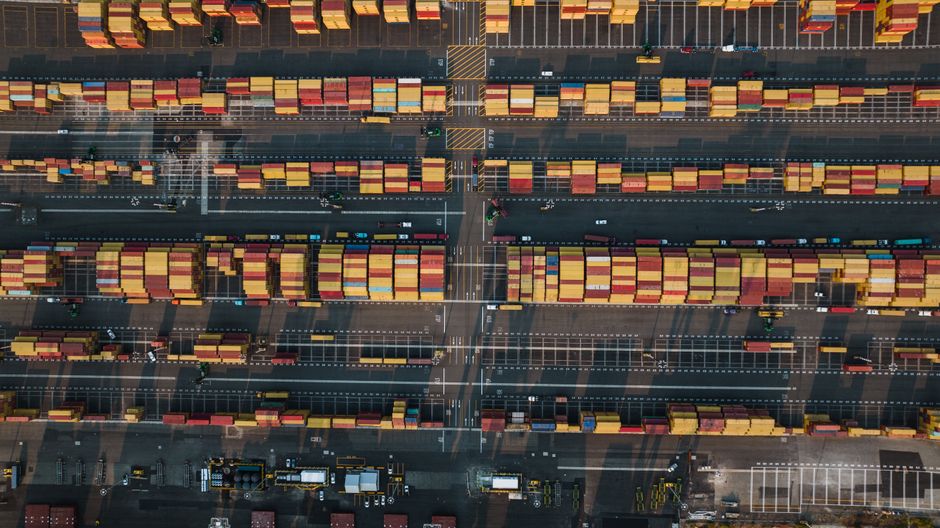
The current round of talks, which began in August 2017, has hit familiar sticking points: U.S. demands for stricter rules on automotive content, a sunset clause that would force reapproval every five years, and changes to dispute resolution mechanisms. Canadian and Mexican officials have pushed back, arguing that NAFTA, while imperfect, has boosted trade to over $1 trillion annually. The real pressure? The U.S. has signaled it may withdraw if no deal is reached by March 2018, a move that would revert trade to World Trade Organization rules, imposing higher tariffs on everything from steel to dairy.
What's at Stake for Key Industries
For automakers, the U.S. proposal to raise the regional content requirement from 62.5% to 85%—with 50% coming from American factories—could force major supply chain overhauls. Toyota and Ford have already warned of higher costs and potential job shifts. Meanwhile, Canadian lumber producers face anti-dumping duties that have already spiked prices for U.S. homebuilders. Agriculture is another flashpoint: Mexican sugar exports and U.S. corn shipments are caught in a tariff tug-of-war that could raise grocery bills.
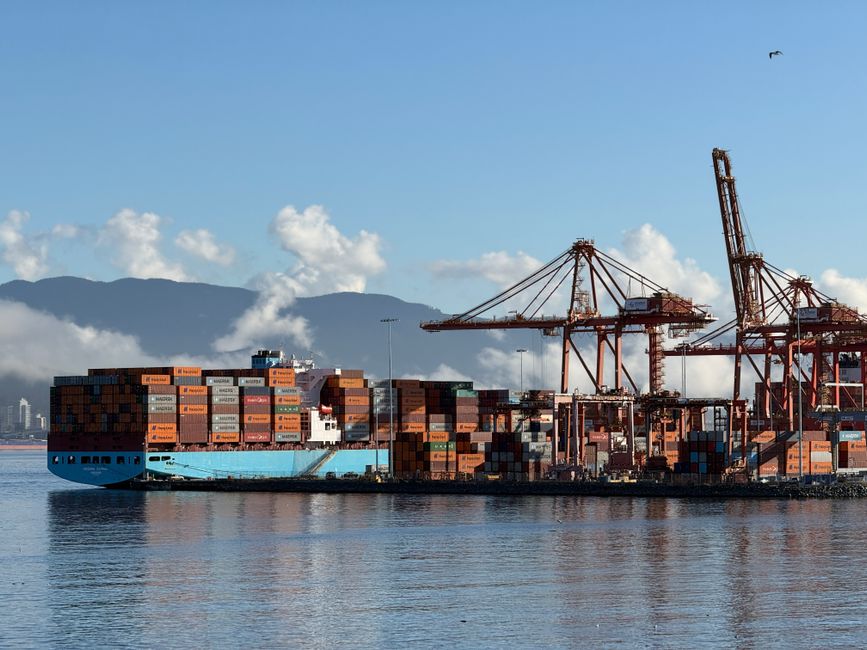
Beyond industry specifics, the deadline creates uncertainty that businesses hate. Companies are delaying investment decisions, hedging currency risks, and stockpiling inventory. A recent survey by the Canadian Chamber of Commerce found that 60% of firms have postponed expansion plans due to NAFTA uncertainty. The clock isn't just a political deadline—it's a practical one for quarterly earnings and annual budgets.
What Happens If Talks Fail?
If no deal is reached, the U.S. could trigger a six-month withdrawal notice. That would mean immediate tariff hikes: U.S. goods entering Mexico could face duties up to 20%, while Canadian exports to the U.S. might see similar spikes. Trade experts predict a short-term shock, with some industries—like auto parts and produce—experiencing 10-15% price increases. But the long-term impact is murkier: supply chains could fragment, pushing production to Asia or Europe. For now, negotiators are meeting weekly, and insiders say a compromise on auto rules is the most likely path forward, though the sunset clause remains a deal-breaker for Canada and Mexico.
For everyday consumers, the stakes are simple: your car, your cheese, and your phone could cost more. The looming deadline isn't just a Washington drama—it's a reminder that trade deals shape the price of everything we buy. Keep an eye on March 2018; that's when the real reckoning comes.
