Texas Mandates Bible Stories in Schools: Religion Row Heats Up
Texas has ignited a fresh debate over the role of religion in public education after the state’s education board voted to require Bible stories as part of reading lessons for elementary students. The decision, which passed along party lines, mandates that kindergarten through fifth-grade classrooms incorporate passages from the Bible into English language arts and reading curriculum starting in the 2025-2026 school year. Supporters argue it’s about cultural literacy and historical context, but critics warn it blurs the line between education and religious instruction.
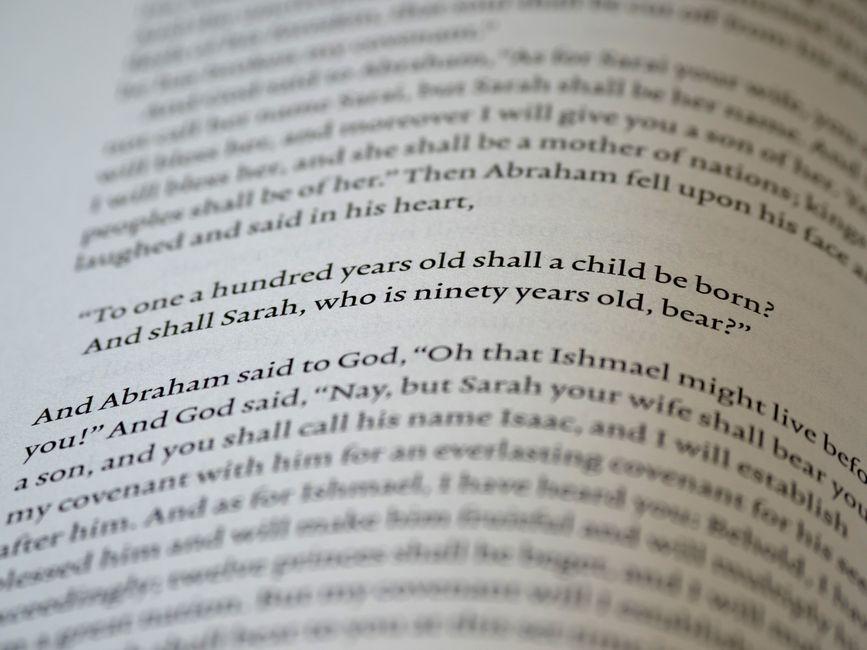
The new standards, approved by the Texas State Board of Education, specify that teachers must include stories like Noah’s Ark, the Good Samaritan, and the Exodus. The board’s Republican majority framed the move as a way to help students understand references in literature, art, and law that draw on biblical narratives. “This isn’t about promoting faith—it’s about giving kids the tools to comprehend the foundations of Western civilization,” said board member Patricia Hardy during the meeting. Yet opponents, including civil liberties groups and some religious leaders, counter that the mandate effectively endorses Christianity over other beliefs, potentially alienating students of different faiths or no faith.
What the New Rules Actually Say
The curriculum changes are part of a broader overhaul of Texas’s K-5 reading standards. Under the new guidelines, teachers are expected to use specific Bible stories to illustrate literary concepts like plot, character, and moral lessons. For instance, first graders might study the story of David and Goliath to discuss courage, while third graders could analyze the Parable of the Prodigal Son to explore themes of forgiveness. The board approved a list of 18 required stories, with suggestions for supplementary texts from other religious traditions, though those are not mandatory.
Texas is not alone in this push. Similar efforts have emerged in Florida, Oklahoma, and Louisiana, where lawmakers have introduced bills to integrate Bible-based materials into public schools. But Texas’s decision is notable because of its size—the state’s textbook market influences publishers nationwide. The board’s vote also comes amid a broader conservative movement to emphasize Judeo-Christian values in education, a trend that has drawn both passionate support and fierce opposition.
Critics, including the Texas chapter of the American Civil Liberties Union, argue the mandate violates the First Amendment’s Establishment Clause, which prohibits government endorsement of religion. “Public schools should teach about religion in an objective, academic way, not require students to engage with specific religious texts as part of standard reading instruction,” said ACLU of Texas spokesperson Sarah Walker. Some parents have already threatened lawsuits, claiming the policy forces their children into a Christian worldview. Meanwhile, interfaith groups have raised concerns about how stories from other traditions, such as the Quran or Hindu epics, will be handled—or ignored.
What Happens Next
Implementation won’t be immediate. The Texas Education Agency must now develop detailed lesson plans and teacher training materials, a process expected to take at least a year. Local school districts can still choose to opt out, but they risk losing state funding if they don’t comply. Several large districts, including Houston and Dallas, have signaled they may resist, citing legal and logistical challenges. The debate is likely to intensify as the 2026 election cycle approaches, with both sides using the issue to rally their bases.
For now, Texas classrooms are bracing for a curriculum shift that could redefine how religion is taught in public schools. Whether the mandate survives legal scrutiny or becomes a model for other states, one thing is clear: the line between education and religious instruction is being redrawn, and the battle over what children read is far from over.
