Supreme Court Blocks Trump's Attempt to Fire Fed Governor Lisa Cook
In a landmark decision that sent shockwaves through Washington, the Supreme Court on Thursday blocked former President Donald Trump's attempt to fire Federal Reserve Governor Lisa Cook, ruling that the president does not have unilateral authority to remove members of the central bank's board. The 6-3 decision, written by Chief Justice John Roberts, reaffirms the independence of the Federal Reserve and sets a critical precedent for economic governance.
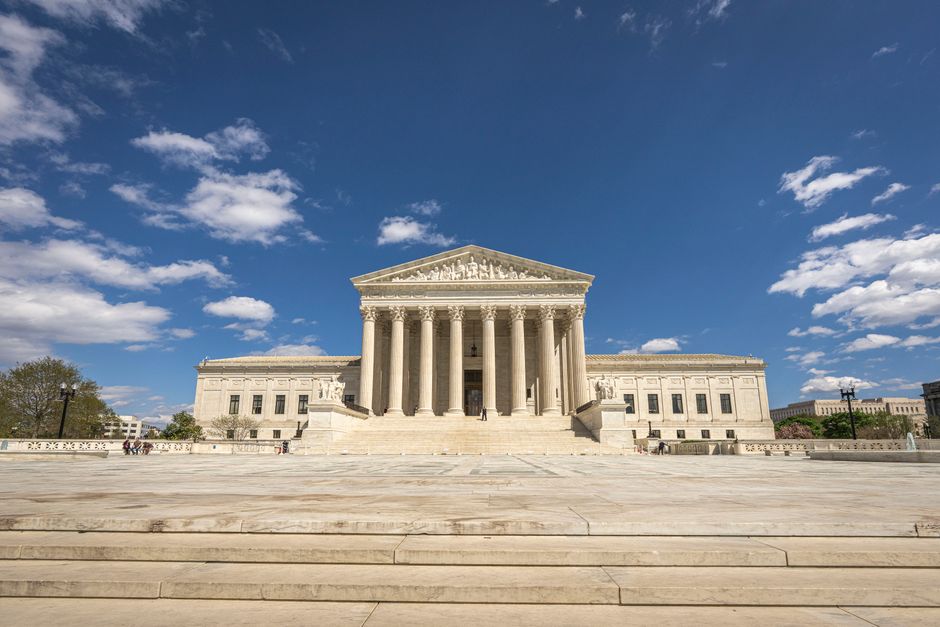
The case, Trump v. Cook, stemmed from an October 2020 executive order in which Trump sought to dismiss Cook, an economist and former Michigan State University professor, citing policy disagreements over interest rate hikes. Cook, who was appointed by President Joe Biden in 2022, had served only a few months before Trump's order. The move was widely seen as an attempt to install a more dovish governor who would support lower rates ahead of the 2024 election.
A Test of Fed Independence
The ruling hinges on the Federal Reserve Act of 1913, which states that Fed governors can only be removed "for cause"—meaning neglect of duty or malfeasance, not policy differences. The Court found that Trump's order violated this statute, with Roberts writing that "the President's power to remove executive officers does not extend to independent agencies designed to operate free from political pressure." Justice Elena Kagan, in a concurring opinion, noted that "the Fed's ability to set monetary policy without fear of retaliation is essential to economic stability."
Legal experts say the decision is a win for institutional safeguards. "This isn't about Trump or Cook—it's about whether the Fed can function as a nonpartisan body," said Sarah Bloom Raskin, a former Fed governor. "If presidents could fire governors at will, every rate decision would be politicized."
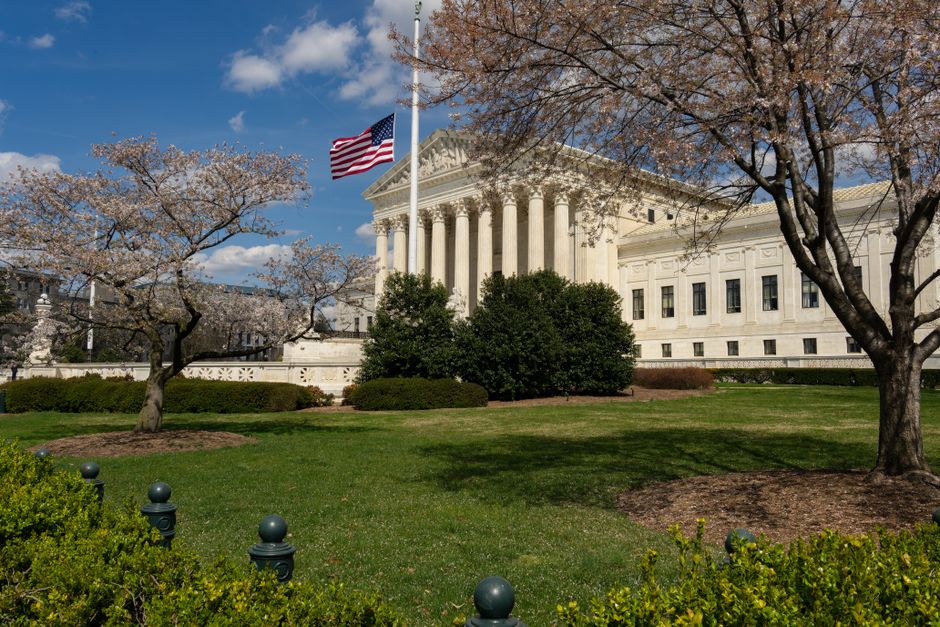
Cook, who has a PhD in economics from the University of California, Berkeley, and has written extensively on racial wealth gaps, is known for her data-driven approach. She has voted with the majority on recent rate hikes to combat inflation, but has also advocated for policies to reduce unemployment among marginalized groups. Her supporters argue that her firing would have disrupted the Fed's long-term planning.
Implications for the Economy
The ruling has immediate practical effects. Investors, who had been jittery about potential political interference, breathed a sigh of relief. The Dow Jones Industrial Average rose 200 points on the news. "Markets hate uncertainty, and this decision removes a big question mark about the Fed's independence," said David Kelly, chief global strategist at JPMorgan Funds. "It tells us that the central bank can continue to focus on its dual mandate of price stability and maximum employment."
Critics of the decision, including some conservative legal scholars, argue that it limits presidential power over the executive branch. But the Court's majority held that the Fed's unique role—it controls the nation's money supply and is funded by interest on securities, not congressional appropriations—requires special protections. "The Federal Reserve is not a typical agency," Roberts wrote. "Its governors must be insulated from partisan whims to maintain credibility."
For now, Cook remains in her seat, and the Fed's policy path remains unchanged. The central bank is expected to hold rates steady at its next meeting in September, as it continues to monitor inflation data. But the case has sparked broader debates about the balance of power between the White House and independent regulators—a conversation that is far from over.
