Supreme Court Blocks Alabama's Nitrogen Gas Execution
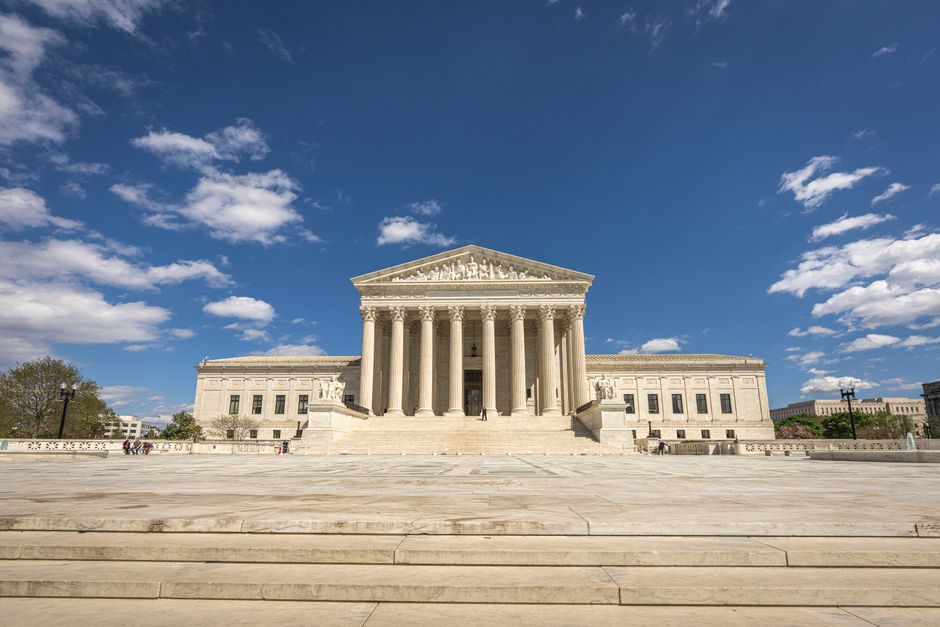
The U.S. Supreme Court has denied Alabama's emergency request to proceed with the nation's first execution using nitrogen gas, halting what would have been a controversial new method of capital punishment. The decision, handed down late Wednesday, temporarily spares death row inmate Kenneth Smith, whose scheduled execution had been set for Thursday at the William C. Holman Correctional Facility.
The case has drawn intense scrutiny because Alabama is attempting to use hypoxia induced by nitrogen gas—a method never before tried in an execution. Smith survived a previous attempt by the state to put him to death by lethal injection in November 2022, when prison staff spent hours trying to find a viable vein. That botched execution led to a federal lawsuit and a moratorium on executions in Alabama while the state reviewed its protocols.
What Is Nitrogen Gas Execution?
Nitrogen gas execution involves forcing an inmate to breathe pure nitrogen through a face mask, depriving the body of oxygen. Proponents argue it's painless and more humane than lethal injection, which has been plagued by drug shortages and botched procedures. Critics, including medical experts and human rights groups, warn it could cause extreme suffering if not administered correctly, likening it to suffocation or drowning.
Alabama, along with Oklahoma and Mississippi, has authorized nitrogen hypoxia as an alternative execution method, but no state has ever used it. The state plans to fit Smith with a full-face respirator that delivers only nitrogen, causing unconsciousness within seconds and death within minutes. However, Smith's legal team argues the protocol is experimental and unconstitutional, citing a lack of safeguards and potential for cruel and unusual punishment.
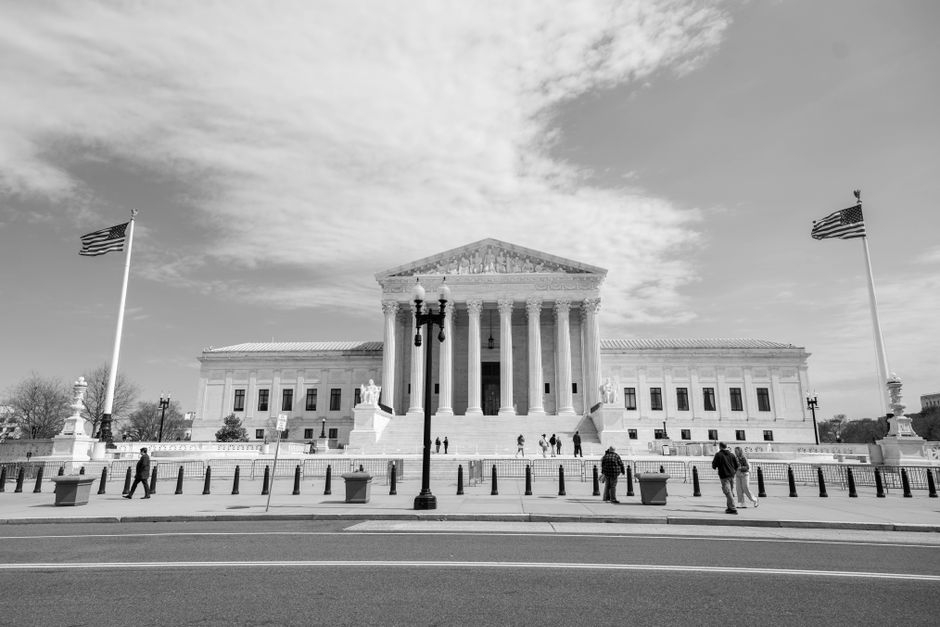
The Supreme Court's order, issued without dissent, does not explain the reasoning behind the denial. It comes after the 11th Circuit Court of Appeals earlier this week rejected Alabama's request to lift a lower court's injunction blocking the execution. The state had argued that the nitrogen gas method was thoroughly vetted and that further delays would only prolong Smith's legal battle, which has already spanned decades.
What Happens Next?
Smith's execution remains on hold while the courts continue to weigh the constitutionality of the nitrogen gas protocol. The Biden administration has not taken a formal position on the case, but the Justice Department has previously expressed concerns about execution methods that lack a proven track record. For now, Smith remains on death row, and Alabama's plan to pioneer a new chapter in capital punishment remains in legal limbo.
The case is a stark reminder of the ongoing debate over the death penalty in America, particularly as states search for alternatives to lethal injection. Whether nitrogen gas becomes a standard method or another chapter in the troubled history of executions will depend on the outcome of this case—and the Supreme Court's willingness to let it proceed.
