SpaceX IPO: A Historic Debut Losing Steam?
When SpaceX finally went public last month, it wasn't just another IPO. It was a cultural moment. Retail investors and institutional giants alike scrambled for shares of the company that had made reusable rockets look routine. The opening bell felt like a launch countdown. But a month later, the stock has settled, and the question on everyone's mind is whether the initial hype has fizzled or if this is just a natural orbit correction.
In its first week, SpaceX shares surged over 40%, driven by Elon Musk's celebrity, the Starlink revenue narrative, and a general belief that this was the one space stock to rule them all. However, since that peak, the stock has traded sideways, dipping roughly 8% from its high. This isn't unusual for high-profile tech IPOs—think of Uber or Rivian—but it does raise eyebrows given SpaceX's unique position.
The Starlink Factor
The biggest driver of post-IPO sentiment is Starlink. The satellite internet service is now SpaceX's cash cow, with over 2 million active subscribers. But recent quarterly disclosures revealed that subscriber growth is slowing in developed markets. The low-hanging fruit—rural Americans and early adopters—has been picked. Expansion into Africa and Southeast Asia is promising but costly. Investors are now pricing in a longer timeline to profitability for the internet division, which has cooled some of the initial euphoria.
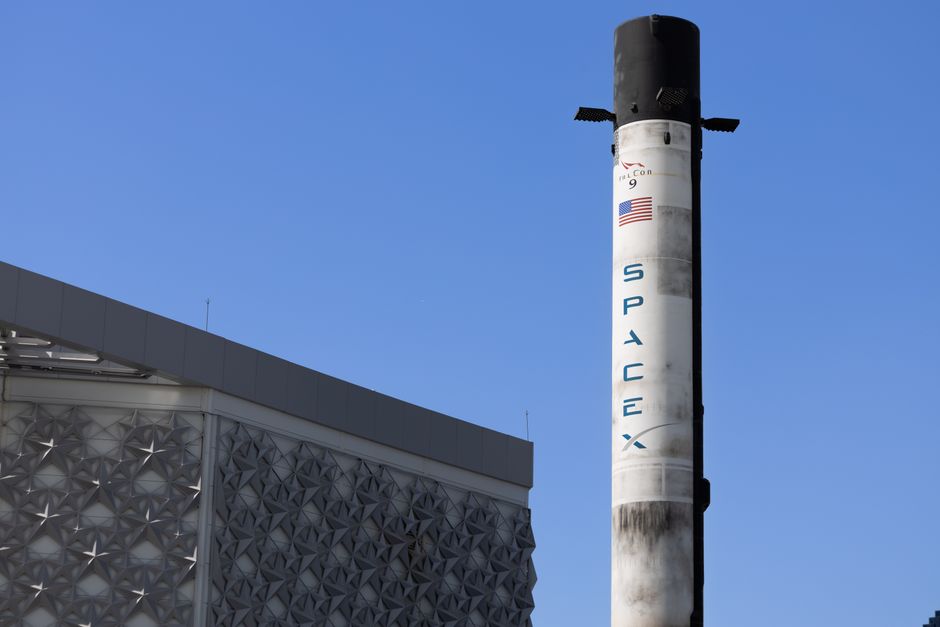
Meanwhile, the launch business remains rock-solid. SpaceX is launching nearly every week, carrying satellites for governments and telecoms. But that segment is mature and low-margin compared to the moonshot dreams of Mars missions. The IPO prospectus made clear that Mars colonization is still a decade away, and that reality is sinking in for traders who bought the stock expecting immediate returns from interplanetary tourism.
Institutional vs. Retail Sentiment
Another factor in the cooling is the shift in ownership. Early retail buyers, who piled in via brokerages like Robinhood, have been selling to institutional funds that are more patient. This handoff often creates a lull in price momentum. Large funds are building positions slowly, waiting for dips. The stock's volatility has dropped sharply, suggesting that the speculative froth is clearing.
So, has the SpaceX IPO lost momentum? Not exactly. It's more accurate to say it has entered a new phase—one where fundamentals matter more than hype. The company still has the strongest pipeline in aerospace, and its valuation of $180 billion is supported by real revenue. But the easy money from the first week is gone. For long-term believers, this lull might be the perfect entry point. For day traders, the thrill has faded.
