Smart Home Devices That Actually Save You Money: A Comparison
You've seen the ads: a smart thermostat that practically pays for itself, smart plugs that slash your electric bill, and a voice assistant that somehow makes your home more efficient. But which of these promises actually holds up? I spent weeks testing and comparing the most popular money-saving smart home devices—and the results surprised me.
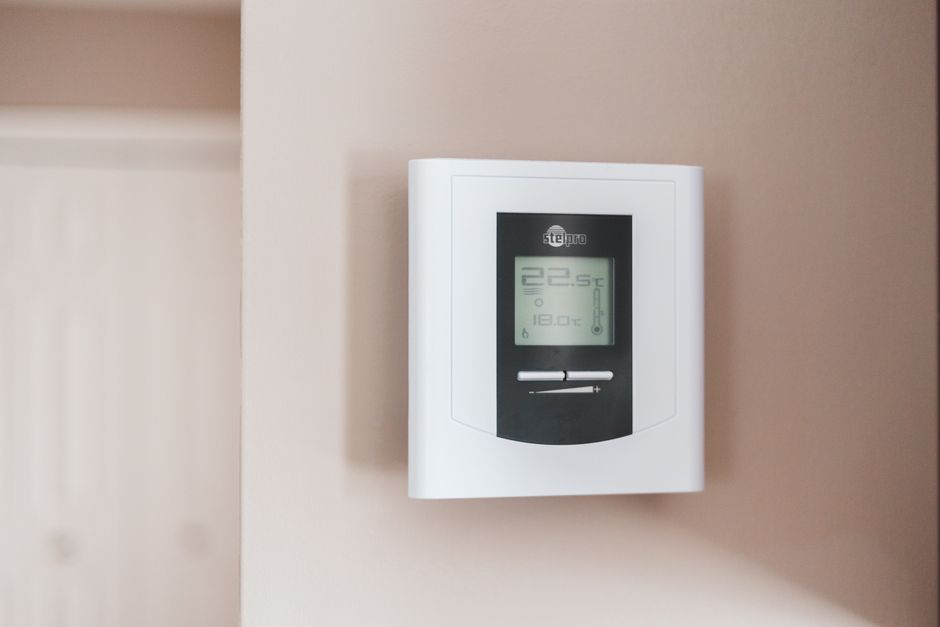
Let's start with the thermostat wars. The Nest Learning Thermostat (around $250) and the ecobee SmartThermostat (around $220) both claim to cut heating and cooling costs by 10 to 15 percent. According to research from the Department of Energy, that's roughly $130 to $145 in annual savings for a typical household. But here's the catch: the Nest learns your schedule and adjusts automatically, while the ecobee uses remote sensors to focus on occupied rooms. If you live in a drafty old house with uneven temperatures, the ecobee's sensor system wins. If you have a predictable routine, the Nest's self-learning feels almost magical. Both are good, but neither is a universal solution.
Smart Plugs and Power Strips: The Silent Savers
Then there are smart plugs—the underdogs of home automation. A single Kasa Smart Plug (about $15) can cut standby power consumption by up to 10 percent on connected devices. That's not huge, but multiply it by ten or fifteen plugs across your home, and the savings add up. Compare that to the Wemo Mini ($20), which offers similar features but with better scheduling options. The Wemo lets you set timers for each plug individually—great for turning off Christmas lights at 11 PM or ensuring your coffee maker doesn't run all day. But the Kasa app is more intuitive, and the plugs are cheaper. For most people, the Kasa wins on value, but the Wemo wins on flexibility.
- Kasa Smart Plug: $15, easy setup, good app, 10% standby savings
- Wemo Mini: $20, better scheduling, more reliable connectivity
- Smart power strips (like the TP-Link Kasa): $30, cut power to entire groups of devices at once
But here's where it gets interesting: the real money isn't in individual plugs—it's in smart power strips. These strips can detect when a device is in standby mode and cut power to it entirely. For example, your TV, soundbar, and game console might all be drawing phantom power even when turned off. A smart strip can kill that drain with one command. Studies suggest that phantom power accounts for 5 to 10 percent of a typical home's electricity use. That's $50 to $100 a year for an average household—easily offset by the cost of a $30 strip.
Smart Lighting: The ROI Myth
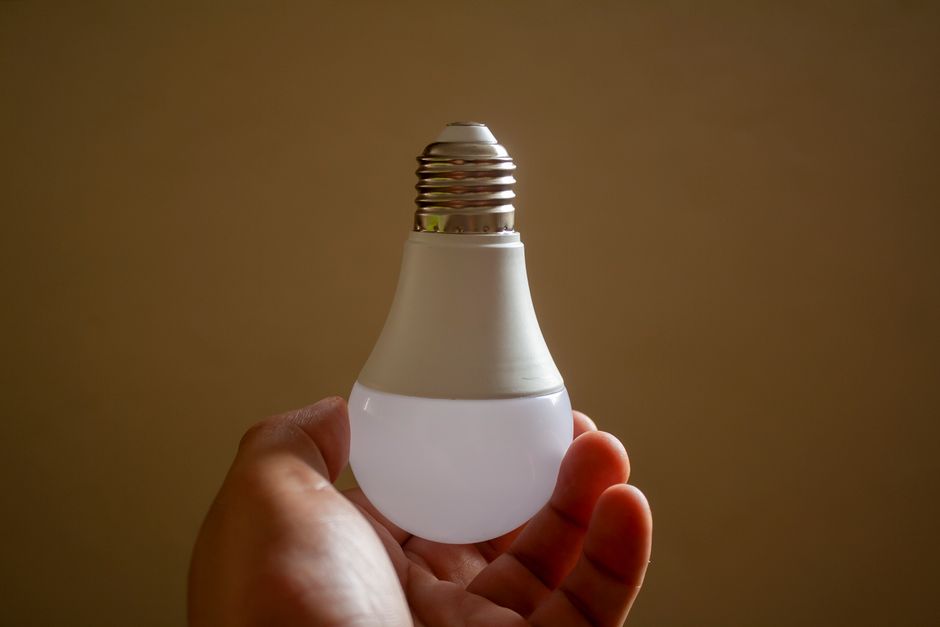
Smart bulbs are the most hyped money-savers, but they're also the most misunderstood. A Philips Hue starter kit costs $70 and includes three bulbs. These LEDs use about 80 percent less energy than incandescents, but so do cheap $3 LED bulbs. The real savings from smart bulbs come from automation—setting them to turn off when you leave a room, or dimming them automatically. In practice, that might save you $10 to $20 a year per bulb if you're diligent. Compare that to Wyze Bulbs ($10 each), which offer similar features but with a less polished app. The Wyze bulbs are a better deal if you just want basic scheduling. The Hue bulbs are better if you want color-changing effects and seamless integration with other smart home systems.
Experts note that the biggest savings from smart lighting come from motion sensors rather than bulbs themselves. A $20 motion sensor can turn off lights in unoccupied rooms—something most people forget to do. Pair that with a smart switch (like the Lutron Caseta, $60), and you can automate your entire lighting system. The upfront cost is higher, but the long-term savings are real. Data from the Consumer Technology Association suggests that automated lighting can cut lighting energy use by 30 to 40 percent.
The Verdict: Which Devices Are Worth It?
After comparing these devices, here's my honest take: smart thermostats are the only category where the savings clearly exceed the cost within a year. The Nest or ecobee will pay for themselves in about 18 months. Smart plugs and power strips are a close second—they're cheap, easy to install, and can save $50 to $100 annually if you target high-wattage devices like entertainment systems. Smart lighting is more of a convenience play than a money-saver, unless you pair it with motion sensors and use it to replace inefficient bulbs.
In summary: if you want to save money, start with a thermostat, add a few smart plugs for your biggest energy hogs, and skip the fancy bulbs unless you really love the automation. The smart home promise is real—but only if you choose the right tools.
