Referee scandal: Has FIFA lost control of its own World Cup?
The 2022 World Cup in Qatar was supposed to be FIFA's crowning moment — a tournament that showcased the beautiful game on a global stage. Instead, a series of controversial referee decisions has left fans, players, and pundits questioning whether the sport's governing body can still manage its own flagship event. From penalty calls that defied logic to VAR interventions that sparked outrage, the officiating has become a story of its own, and not in a good way.
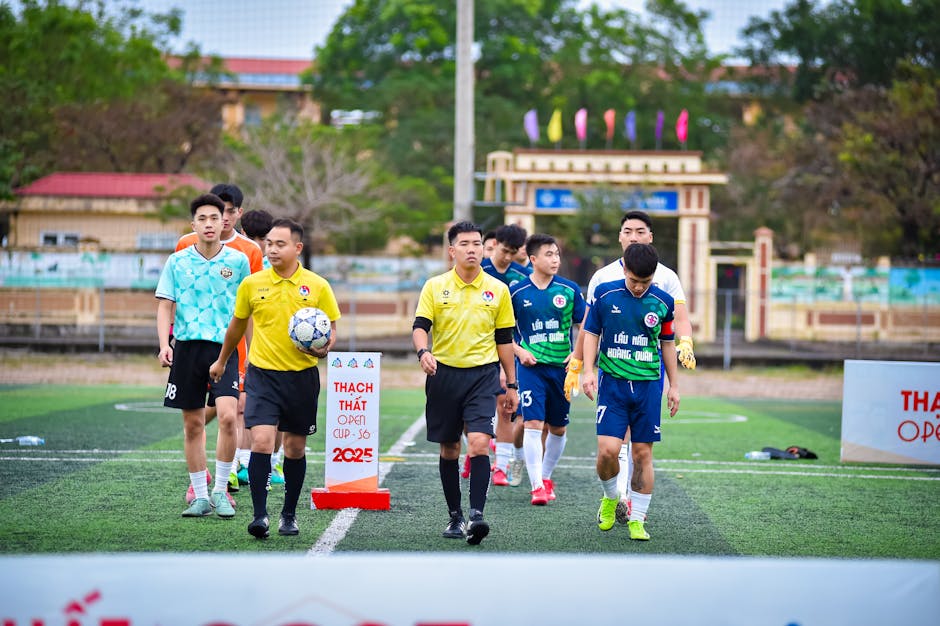
Take the Argentina vs. Netherlands quarterfinal, for example. Referee Antonio Mateu Lahoz handed out a record 18 yellow cards, turning a classic match into a stop-start spectacle. Players complained of inconsistency, and even Lionel Messi, usually diplomatic, called the officiating 'a disaster.' That game wasn't an outlier. Across the tournament, fans saw baffling decisions: a penalty awarded for a handball that hit a player's thigh, a red card rescinded after VAR review, and offside calls that took minutes to confirm. The pattern suggests something deeper than human error.
VAR was supposed to fix this
When FIFA introduced Video Assistant Referee (VAR) in 2018, the promise was clear: fewer mistakes, more fairness. But in Qatar, VAR often seemed to create more confusion. The system was used inconsistently — sometimes intervening for minor infractions, other times staying silent on clear fouls. Critics point to a lack of transparency; FIFA never released the audio of referee-VAR conversations, unlike other sports leagues. This opacity fuels suspicion that the technology is being used selectively, perhaps to protect certain teams or narratives.
Consider the case of Japan's second goal against Spain in the group stage. The ball appeared to be out of play before the cross, but VAR ruled it in — a decision that changed the group standings and knocked Germany out. Replays were inconclusive, and FIFA offered no detailed explanation. For a tournament with billions watching, that silence speaks volumes.
Is FIFA out of touch?
The referee controversy isn't just about bad calls; it's about governance. FIFA President Gianni Infantino spent much of the tournament defending Qatar's human rights record and promoting commercial partnerships, while the officiating crisis simmered. When asked about referee standards, he deflected, praising the 'quality of the matches.' That response feels out of touch with fans who watched games decided by questionable whistles.
FIFA's referee committee, led by former official Pierluigi Collina, has defended the officials, calling the criticism 'emotional.' But data tells a different story. An analysis by the International Football Association Board found that VAR interventions in Qatar were 30% higher than in 2018, yet satisfaction with decisions dropped. More review doesn't equal better outcomes — it often means more debate.
The bigger question is whether FIFA can regain control. The World Cup is a massive commercial enterprise, with sponsors like Coca-Cola and Adidas paying billions. If the product — the games themselves — is tainted by perceived bias or incompetence, the brand suffers. Already, fans are calling for independent oversight of referees, similar to how other sports handle officiating. FIFA has resisted, but the pressure is mounting.
For now, the legacy of this World Cup will include moments of brilliance on the pitch — Messi's magic, Mbappé's speed — but also a nagging doubt: Did the referees decide the outcome? If FIFA doesn't address this, the next tournament in 2026 could see even louder calls for reform. The referee case isn't just a footnote; it's a warning sign that FIFA's grip on its own show is slipping.
