Rare Copy of US Declaration of Independence Found by Volunteer in UK Archives
A volunteer sifting through dusty records in a small English archive stumbled upon what experts are calling a once-in-a-generation find: a rare, handwritten copy of the US Declaration of Independence. The document, tucked inside a 19th-century ledger in the Chichester Archives of West Sussex, has left historians buzzing with excitement and curiosity about how it ended up on British soil.
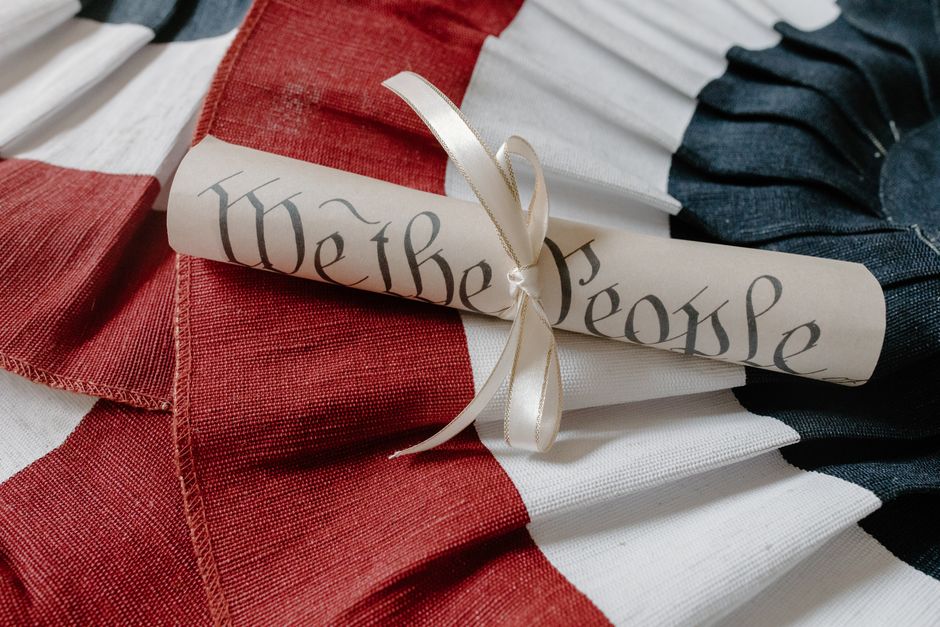
Dated to the 1780s, the copy is one of only a handful known to exist from that period. Unlike the official parchment version signed by the Founding Fathers in 1776, this one was penned by an unknown scribe, likely as a keepsake or for local distribution. The volunteer, who prefers to remain anonymous, was cataloging documents when they noticed the familiar opening lines: 'When in the Course of human events...' The discovery was confirmed last month by the University of Sussex and the US National Archives.
How Did It Get There?
The presence of an early American document in a British county archive isn't as random as it seems. West Sussex has historical ties to the American colonies—many Loyalists fled there after the Revolutionary War, carrying personal items and papers. 'It's plausible this copy was brought over by a British sympathizer or a trader who collected it as a souvenir,' says Dr. Emma Thorne, a historian at the University of Sussex. 'What's remarkable is its pristine condition. The ink is still legible, and the paper shows minimal wear.'
The copy includes subtle variations from the official text—a slightly different spelling of 'happiness' and a few missing punctuation marks—suggesting it was transcribed by ear or from memory. These quirks offer a fresh window into how the Declaration was circulated and interpreted abroad in the late 18th century.
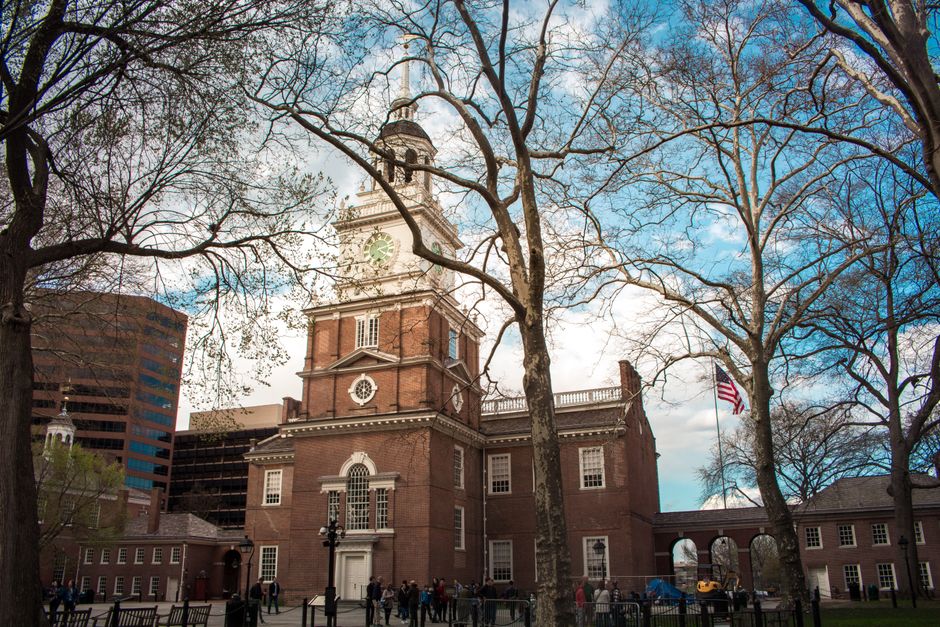
The find has sparked a collaborative effort between British and American scholars. The document is currently undergoing digital imaging and chemical analysis to confirm its age and origin. Early tests indicate the paper matches stock used in London in the 1780s, reinforcing the theory it was produced in England. 'This isn't just a copy—it's a piece of the transatlantic story,' says Dr. James Porter of the US National Archives. 'It shows that the ideas of liberty and self-governance were being shared, debated, and preserved even in the heart of the former empire.'
What Happens Next?
The Chichester Archives plan to display the Declaration copy in a special exhibition later this year, alongside other colonial-era artifacts. For now, the volunteer who made the discovery is staying out of the spotlight, but locals are celebrating the find as a reminder that history often hides in plain sight. 'It's a testament to the value of grassroots archiving,' says Thorne. 'One person's patience turned a dusty shelf into a global headline.'
