Postal Service Plan Would Block Mail Ballots for States Without Voter Lists
The U.S. Postal Service is quietly preparing to refuse delivery of mail-in ballots for any state that refuses to hand over its voter rolls. The move, which would be the most aggressive step yet in the Trump administration’s campaign against mail voting, could upend the 2020 election for millions of Americans.
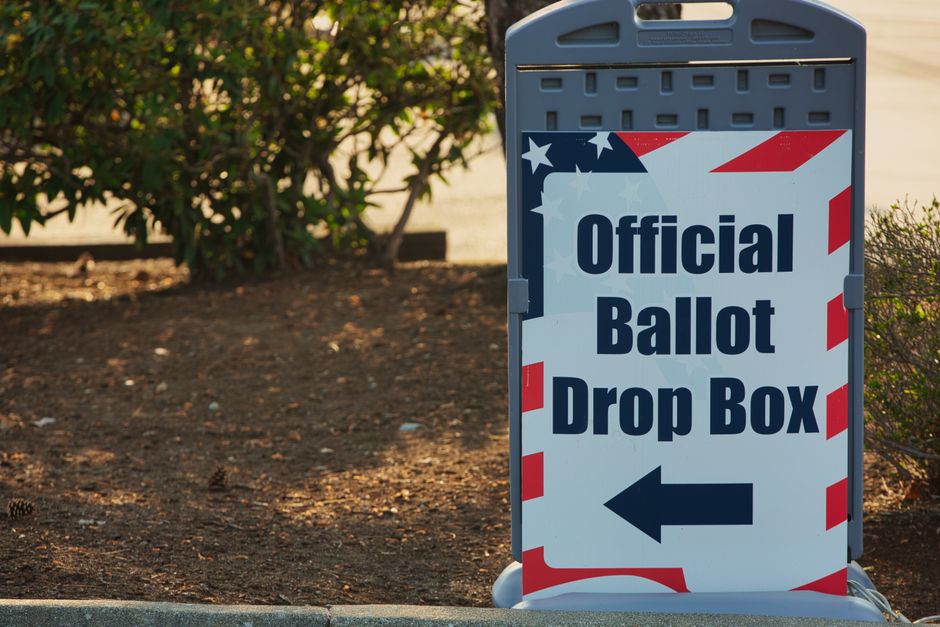
Under the plan, which has not been formally announced, USPS would require states to submit their voter registration lists before the agency would guarantee timely delivery of ballot envelopes. States that don’t comply would see their ballots treated as standard mail — meaning no tracking, no priority handling, and no guarantee they’d arrive before Election Day.
What’s Behind the Plan?
The directive stems from a memo sent last week by President Trump’s postmaster general, Louis DeJoy, a major Republican donor and Trump ally. The memo, obtained by the Washington Post, orders USPS to “ensure the integrity of the mail ballot process” by verifying that ballots are only sent to eligible voters. To do that, the Postal Service says it needs access to each state’s voter rolls — a demand that privacy advocates and election officials say is unprecedented.
“This is not about integrity. This is about making it harder to vote,” said Trevor Potter, a former chairman of the Federal Election Commission. “The Postal Service doesn’t need voter lists to deliver mail. They need addresses.”
The States Most Affected
At least a dozen states, including California, New York, and Pennsylvania, have refused to share their voter rolls with the Postal Service, citing privacy laws and concerns that the data could be misused. Under the new plan, those states would see their mail ballots downgraded to “standard mail” status — which can take up to two weeks to deliver, even locally. With Election Day just 60 days away, experts say that could disenfranchise hundreds of thousands of voters.

“We’re talking about ballots that might never arrive in time to be counted,” said Amber McReynolds, CEO of the National Vote at Home Institute. “This is a direct attack on the right to vote.”
Legal Challenges Expected
Civil rights groups and Democratic state attorneys general are already preparing lawsuits, arguing that the Postal Service doesn’t have the authority to impose such conditions. The Constitution gives states, not the federal government, the power to set election rules. “The Postal Service is a delivery service, not an election board,” said New York Attorney General Letitia James. “They can’t hold ballots hostage.”
The Trump administration has defended the plan as a necessary safeguard against voter fraud, though multiple studies have shown that mail ballot fraud is extremely rare. The president has repeatedly claimed, without evidence, that mail voting is “rigged” and “corrupt.”
For now, the plan remains a draft. But with early voting already underway in some states, the clock is ticking. If implemented, it could create chaos at the polls — and leave millions of Americans wondering if their vote will ever arrive.
