NASA Names Artemis III Crew: Their Mission to the Moon
NASA has officially named the four astronauts who will fly the Artemis II mission, the first crewed flight of the Orion spacecraft around the Moon since Apollo 17 in 1972. But the bigger story is what comes after: Artemis III, the mission that aims to put humans back on the lunar surface for the first time in over half a century. The crew for Artemis III hasn't been announced yet, but the mission itself is already defined, and it's ambitious as hell.
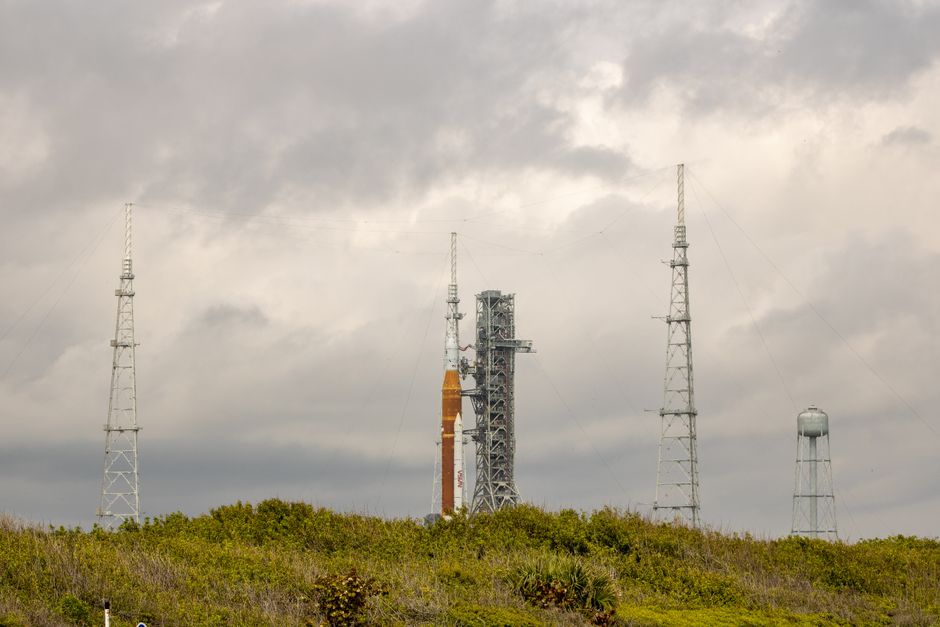
Artemis III is the mission where boots will hit the lunar dust again. The plan is for a crew of four to launch atop NASA's Space Launch System rocket, fly to the Moon, and then have two of them descend to the surface in a SpaceX Starship lander. The other two will stay in orbit aboard Orion. The mission's primary goal: explore the lunar south pole, a region no human has ever visited.
Why the South Pole?
The south pole is not just a scenic detour. It's a scientific goldmine. Craters there are permanently shadowed, and inside them, scientists believe there's water ice. That ice could be used for drinking, oxygen, and even rocket fuel. If we can extract it, it changes everything for deep space exploration. Artemis III astronauts will collect samples, test technologies for living off the land, and lay groundwork for a permanent base.
The Crew Question
So who gets the call? NASA hasn't said, but the Artemis II crew — Reid Wiseman, Victor Glover, Christina Koch, and Jeremy Hansen — are obvious candidates. Koch and Glover have already flown long-duration missions. Hansen is a Canadian astronaut, representing the first non-American on a Moon mission. But NASA might also pick a new team. The selection criteria include experience, physical fitness, and the ability to stay calm when the Starship is descending toward a crater field.
The timeline is the tricky part. Artemis III was originally slated for 2025, but delays with the Starship lander and new spacesuits have pushed it to late 2026 or even 2027. SpaceX is still testing orbital refueling, a critical step for the lander to reach the Moon. NASA's Inspector General recently warned that the suits might not be ready until 2027.

Still, the mission is real. The astronauts will spend about a week on the surface, conducting up to four spacewalks. They'll drill for ice, deploy experiments, and take the kind of photos that will make everyone on Earth jealous. The lander will then blast them back to Orion, and the whole crew returns home. It's a short stay, but it's a huge leap toward the bigger goal: a sustainable presence on the Moon by the late 2030s.
Artemis III isn't just about planting flags. It's about proving we can live and work on another world. The crew, whoever they are, will carry that weight. And when they step onto that gray, dusty ground, they'll be writing a new chapter in human history. Stay tuned — the names are coming, and the countdown has already started.
