On June 9, 2026, NASA named Italian astronaut Luca Parmitano as pilot of Artemis 3, marking the first time a European has been assigned to an Artemis crew. The announcement, made during a joint press conference at the Johnson Space Center, caught many off guard—not because Parmitano isn't qualified, but because it signaled a shift in how NASA views its international partnerships.
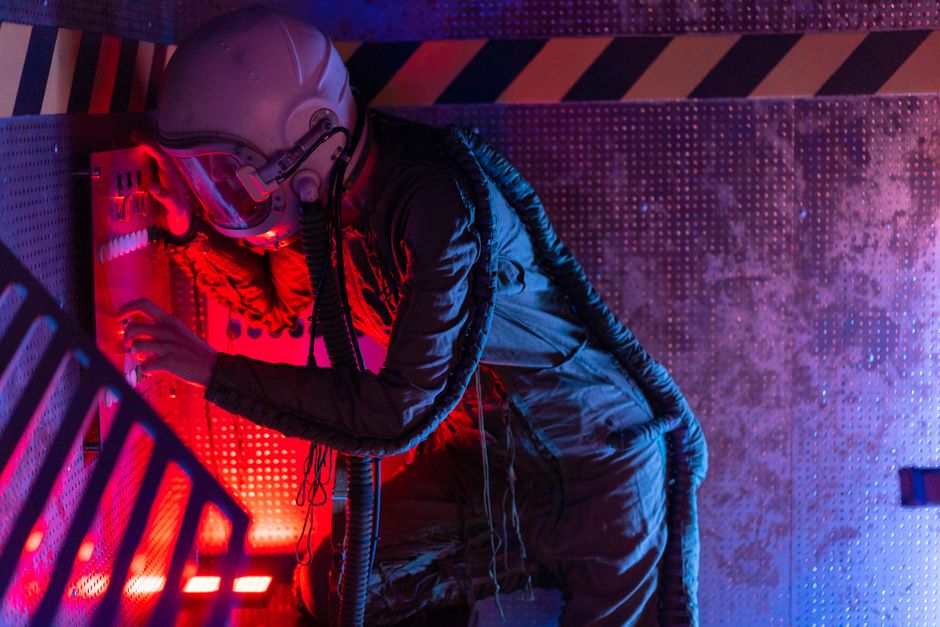
Parmitano, a veteran of two long-duration stays on the International Space Station and a former commander of the ISS, brings a steady hand to the mission. He's known for his calm under pressure—remember the 2013 spacewalk where his helmet began filling with water? He kept his cool, navigated back to the airlock, and helped engineers figure out what went wrong. That kind of experience is exactly what you want in the pilot's seat for a lunar landing.
More Than a Courtesy Seat
Within hours of the announcement, ESA Director General Josef Aschbacher made it clear that this wasn't a token gesture. "This seat is not a courtesy," he said during a media briefing from ESA's headquarters in Paris. "It is the opening move in a new phase of collaboration—one where Europe is not just a passenger but a full partner in lunar exploration."
Aschbacher's phrasing was deliberate. For years, Europe has contributed key hardware to NASA's Artemis program, including the service module for the Orion spacecraft. But until now, those contributions hadn't translated into crew slots. Parmitano's assignment changes that calculus. It suggests that NASA is serious about integrating international astronauts into its most ambitious missions, not just as payload specialists but as core crew members.
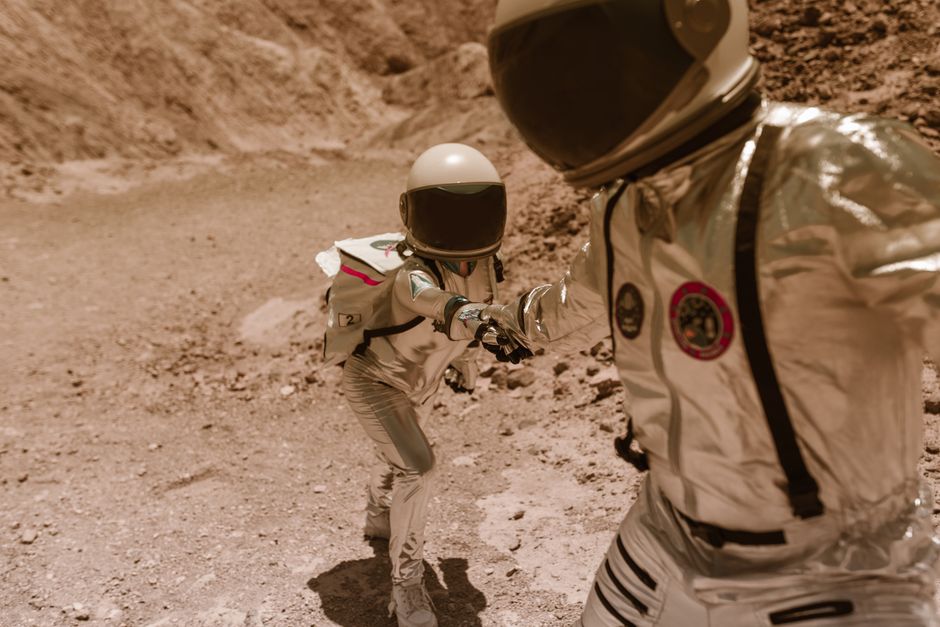
Artemis 3 is the mission that aims to put the first woman and the next man on the lunar surface, targeting a landing near the south pole. Parmitano will serve as pilot, responsible for navigating the Orion spacecraft during critical phases, including the descent to the Moon. His Italian accent might be the first European voice heard from the lunar vicinity since the Apollo era.
What This Means for Europe
For ESA, this is a watershed moment. Parmitano's selection validates years of investment in astronaut training and hardware development. It also opens the door for more European astronauts to join future Artemis missions, including potential stays at the planned Lunar Gateway station. Aschbacher hinted that negotiations are already underway for additional crew slots on later flights.
Parmitano himself seemed unfazed by the historic weight. In a brief statement, he said: "I'm focused on the mission. The Moon is waiting, and we have a lot of work to do." That's vintage Parmitano—professional, understated, and ready to fly.