When Iran's national football team boarded their flight to Qatar for the 2022 World Cup, they had no idea where they'd be sleeping that night. Their original training camp — booked months in advance — had fallen through at the last minute. And some key players were still waiting for their visas to clear. It was, by any measure, a logistical nightmare. But for Team Melli, chaos before a major tournament has become almost routine.

The visa scramble started three weeks before kickoff. Several Iranian players based in Europe — including stars like Mehdi Taremi and Sardar Azmoun — hadn't received their Qatari entry permits. The Iranian Football Federation blamed a backlog at the Qatari embassy in Tehran, but sources close to the team told me the real issue was a lack of coordination between the two countries' football associations. With just days to go, the players were forced to fly to Doha on temporary travel documents, hoping their visas would be waiting at the airport. They were — but only after a frantic round of phone calls between officials in Tehran and Doha.
A camp in limbo
The accommodation crisis was even more bizarre. Iran had originally booked a training base at a luxury resort near Doha's Al Janoub Stadium. But two weeks before the tournament, the resort canceled the reservation. No official reason was given, but rumors swirled that the hotel had been double-booked by another delegation. The Iranian team scrambled to find a replacement. They eventually secured a smaller hotel in central Doha, but it lacked a proper training pitch. For the first few days of their stay, the players trained on a dusty patch of ground that had been hastily converted into a football field.
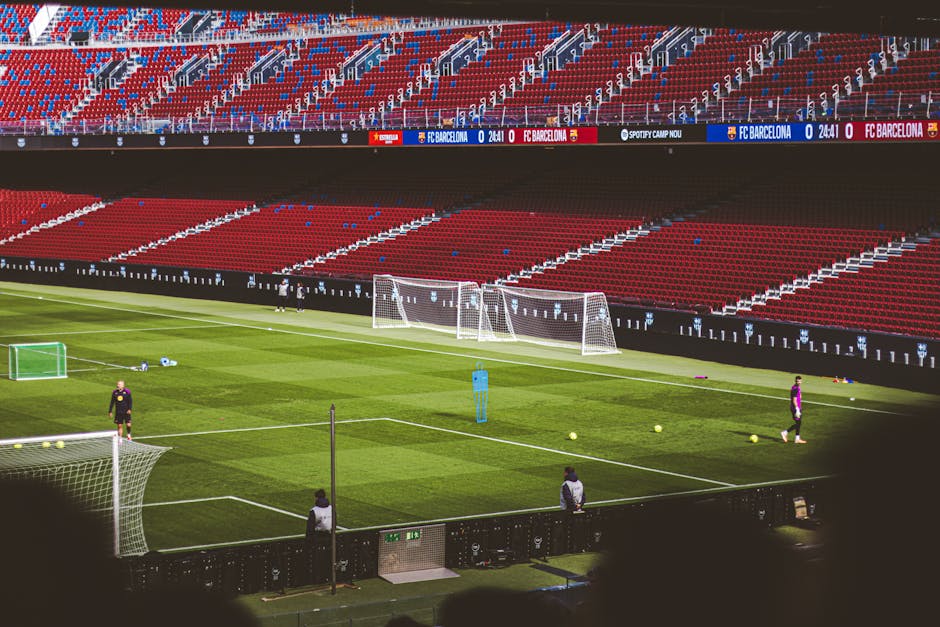
The disruptions didn't end there. Iran's warm-up match schedule was thrown into disarray when their planned friendly against a South American side fell through. They ended up playing a closed-door game against a local Qatari club — a far cry from the high-intensity preparation they'd hoped for. Yet, despite the chaos, the team's morale remained surprisingly high. Captain Ehsan Hajsafi told reporters: 'We've been through worse. This is nothing new for Iranian football.'
Why does this keep happening?
Part of the problem is structural. The Iranian federation has long struggled with bureaucracy and a lack of professional planning. But there's also a political dimension. Tensions between Iran and some Gulf states have complicated everything from visa processing to travel logistics. Even getting equipment into Qatar required special clearances. The team's kit, for example, was held up at customs for three days because of a labeling error on the shipping manifest.
Despite the setbacks, Iran managed to put together a respectable campaign. They held Wales to a 1-1 draw and gave England a scare in their opening match before losing 6-2. But the lasting image of their World Cup journey isn't a goal or a save — it's the sight of players huddled in a hotel lobby, waiting for room keys that hadn't been assigned yet. For Iranian football fans, that scene summed up decades of struggle: talent and passion constantly battling against a system that never quite gets out of its own way.