How Wildfires in Canada and the US Actually Spread (And Why It Matters)
Every summer, plumes of smoke drift south from Canada or drift north from the United States, turning skies orange and forcing people indoors. But wildfires aren't just dramatic visuals — they reshape ecosystems, economies, and daily life for millions. The way a fire behaves depends on a mix of weather, landscape, and human choices. Understanding that mix helps explain why some fires explode into infernos while others fizzle out.
What Makes a Wildfire Start and Spread
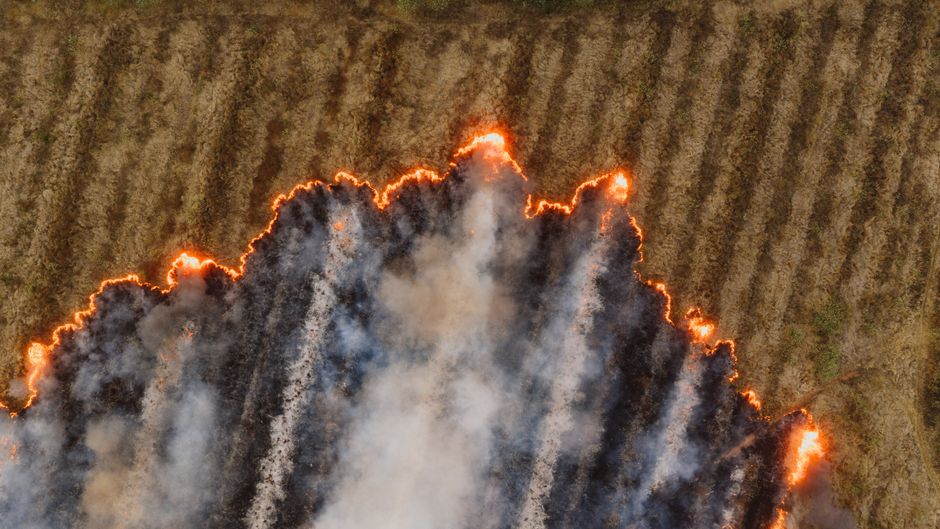
Wildfires need three ingredients: fuel, oxygen, and heat — the classic fire triangle. In forests, fuel means dry grass, dead leaves, pine needles, and fallen branches. When these materials accumulate over years without a clearing burn, they form a layer called the duff. A single lightning strike or a carelessly tossed cigarette can ignite that duff.
Wind is the real accelerator. A gust of 20 miles per hour can push flames across a football field in seconds. Topography matters, too — fires race uphill faster than downhill because the heat preheats the vegetation above. In the Rocky Mountains or the boreal forests of northern Canada, these factors combine to create fire behavior that can overwhelm firefighting crews within minutes.
How Fire Seasons Have Changed
According to data from the Canadian Interagency Forest Fire Centre, the 2023 fire season in Canada burned over 45 million acres — roughly twice the previous record. That's an area larger than the state of Washington. In the United States, the National Interagency Fire Center reported that the 2020 and 2021 seasons each saw more than 10 million acres burned. Those numbers are not just statistics — they represent communities evacuated, air quality alerts issued, and billions of dollars in firefighting costs.
Experts note that the length of fire seasons has stretched by about 20 percent over the past three decades. Snow melts earlier in spring, and autumn rains arrive later. That longer window of dry weather gives fires more time to ignite and grow. What used to be a three-month fire season in many regions now stretches five or six months.
Smoke Doesn't Stop at Borders
Smoke from Canadian wildfires regularly drifts into the northern United States, and smoke from California fires sometimes reaches as far east as Maine. The particles in wildfire smoke — tiny bits of carbon, minerals, and chemicals — can travel thousands of miles. On bad days, the air quality index in New York City or Chicago can spike to levels normally seen in Beijing during a pollution episode.
The health impacts are not subtle. Fine particulate matter, known as PM2.5, lodges deep in lung tissue and can enter the bloodstream. According to research from Stanford University, wildfire smoke exposure during the 2020 season caused thousands of excess hospital visits for asthma, heart attacks, and strokes. Children, older adults, and people with existing respiratory conditions face the highest risk.
What Can Be Done — And What's Already Changing
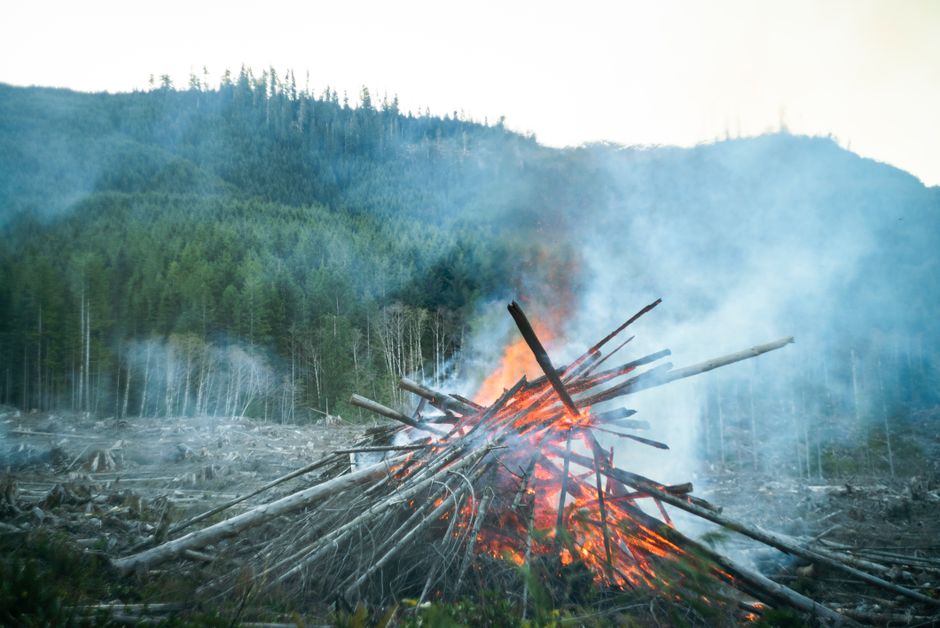
Fire management has evolved from a pure suppression strategy to one that includes controlled burns. These intentional fires clear out the accumulated fuel before the dry season hits. In parts of Canada and the western US, agencies now let some natural fires burn in remote areas, recognizing that fire is a natural part of forest ecology. But that approach is hard to sell when a fire threatens homes.
On the personal level, homeowners can reduce risk by creating defensible space — clearing dead vegetation within 30 feet of structures, using fire-resistant roofing materials, and storing firewood away from the house. Communities in fire-prone zones are also building with concrete and metal instead of wood siding.
Looking ahead, climate models suggest that hotter, drier conditions will continue to amplify fire risk. But adaptation is possible. Better forecasting, early detection via satellites, and smarter land management can reduce the worst outcomes. The question isn't whether fires will happen — they will. The question is how prepared we are to live with them.
