How Vaccines Work vs. Natural Immunity: A Side-by-Side Comparison
When a germ sneaks into your body, your immune system doesn't recognize it at first. It fumbles, takes notes, and eventually builds a defense — but that process can take days, and by then you might be feverish, exhausted, or worse. Vaccines offer a shortcut: they teach your immune system what to look for without making you sick. But how does that compare to the immunity you'd get from actually catching a disease? Let's walk through both approaches side by side.
How Vaccines Teach Your Body Without the Cost
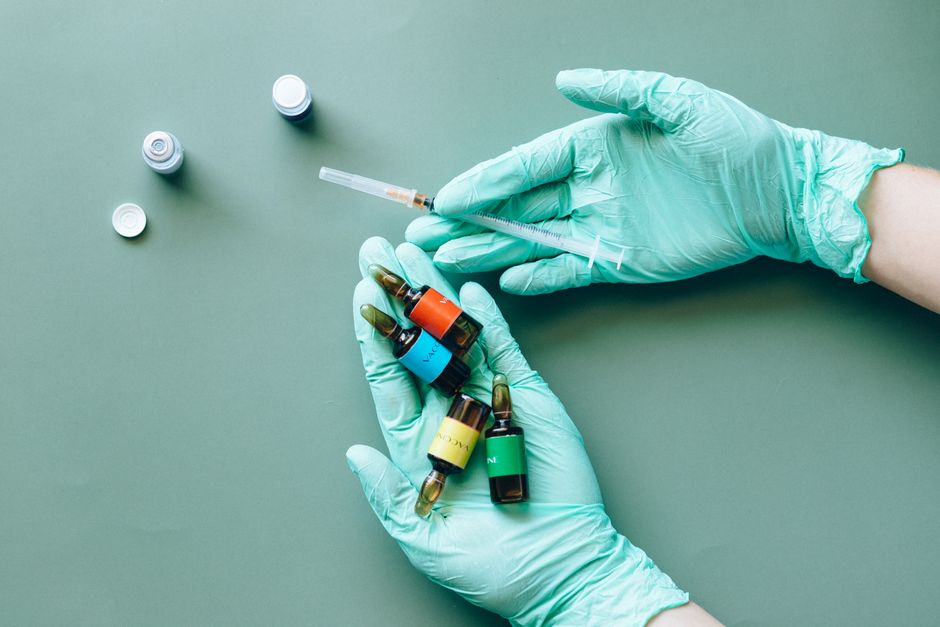
Vaccines work by presenting your immune system with a harmless piece of a pathogen — a dead virus, a weakened version, or just a snippet of its protein coat. Think of it like a wanted poster: your body sees the mugshot, memorizes the face, and starts producing antibodies and memory cells. The next time the real virus shows up, your immune system recognizes it instantly and mounts a response before you ever feel symptoms. According to research from the World Health Organization, vaccines prevent an estimated 2–3 million deaths each year globally. That number jumps to 4–5 million if you include newer vaccines like those for HPV and hepatitis B.
Natural Immunity: The Hard Way
Getting sick and recovering also creates immunity — sometimes stronger and longer-lasting than a vaccine. If you survive measles, for example, you're immune for life. But the cost is steep: measles kills roughly 1 in 1,000 infected children in developed countries, and complications like pneumonia or encephalitis are common. With a vaccine, you get that same protection without the risk. The trade-off is that vaccine-induced immunity might wane over time, requiring booster shots. Natural immunity can be more durable, but you pay for it with your health — sometimes with your life.
Key Differences at a Glance
Here's a breakdown of how the two approaches compare across important factors:
- Safety: Vaccines are rigorously tested and monitored. Natural infection carries a real risk of severe illness, hospitalization, or death.
- Speed of protection: Vaccines provide protection within weeks (sometimes after a second dose). Natural infection takes days to weeks to recover from, and you're contagious during that time.
- Duration: Natural immunity can be lifelong for some diseases (like chickenpox or measles). Vaccine immunity may require boosters but can be extended with additional doses.
- Herd immunity: Vaccines can be given to large populations quickly, creating community protection. Natural infection spreads disease while building immunity, which is slower and more dangerous.
Why Vaccines Matter for Everyone — Not Just You
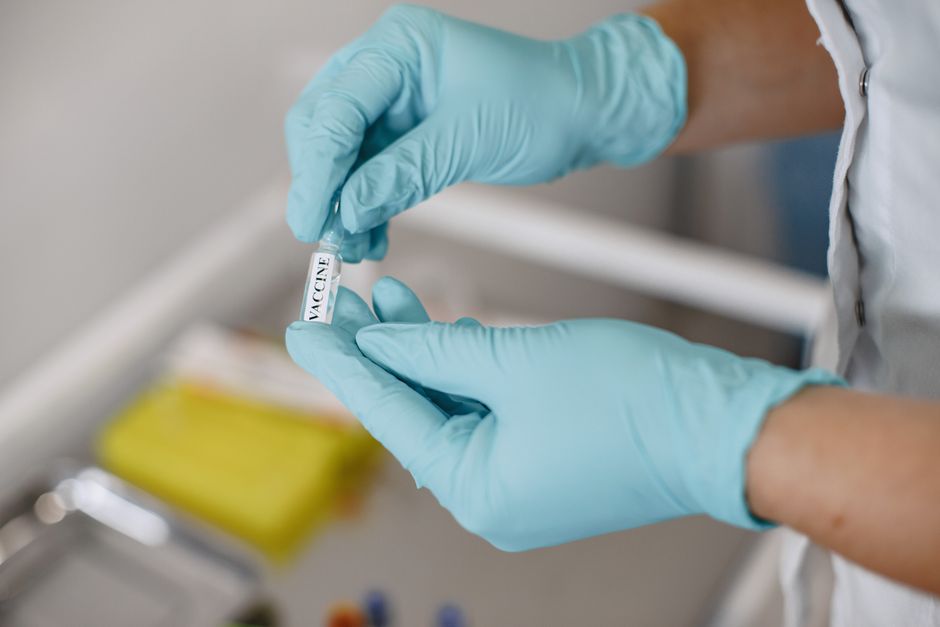
Vaccines don't just protect the person getting the shot. They create a buffer in the community called herd immunity. When enough people are immune, a virus can't find new hosts and its spread stalls. This is crucial for people who can't be vaccinated — infants too young, people with allergies to vaccine components, or those with compromised immune systems from chemotherapy or autoimmune disorders. Data from the U.S. Centers for Disease Control and Prevention shows that when vaccination rates drop even slightly, diseases like measles come roaring back. In 2019, the U.S. saw over 1,200 measles cases — the most since 1992 — largely driven by pockets of unvaccinated individuals.
Which Approach Should You Choose?
For most people, the choice is clear: vaccines offer a safe, effective way to build immunity without the dangers of natural infection. Exceptions exist — like people who have had a severe allergic reaction to a vaccine component — but those are rare. If you're healthy and eligible, vaccination is the smarter bet. Natural immunity might feel more "natural," but so does getting a splinter — and you wouldn't choose that over a pair of tweezers.
Final Verdict: Vaccines Win on Safety and Scale
Both vaccines and natural infection train your immune system to recognize a pathogen. But one does it without putting you in the hospital. Vaccines are not perfect — they can cause mild side effects like sore arms or low-grade fevers, and some require multiple doses. But compared to the alternative — weeks of illness, potential long-term damage, or death — the choice is obvious. The next time you roll up your sleeve, remember: you're not just protecting yourself. You're building a wall that keeps disease out of your community, one shot at a time.
