How to Stay Safe When Wildfire Smoke Drifts Your Way
Last week, a freight train in British Columbia found itself surrounded by flames so intense that video showed the cars "encased in fire," as the engineer backed the consist away from a wall of orange. The scene was surreal—metal glowing, air thick with particulate. That same smoke plume drifted south into the United States, turning skies hazy from Seattle to Denver. If you live in the West or anywhere near a wildfire zone, this is not a distant spectacle. It's a recurring reality. Here’s how to prepare, protect your lungs, and keep your household breathing easier when the air turns brown.
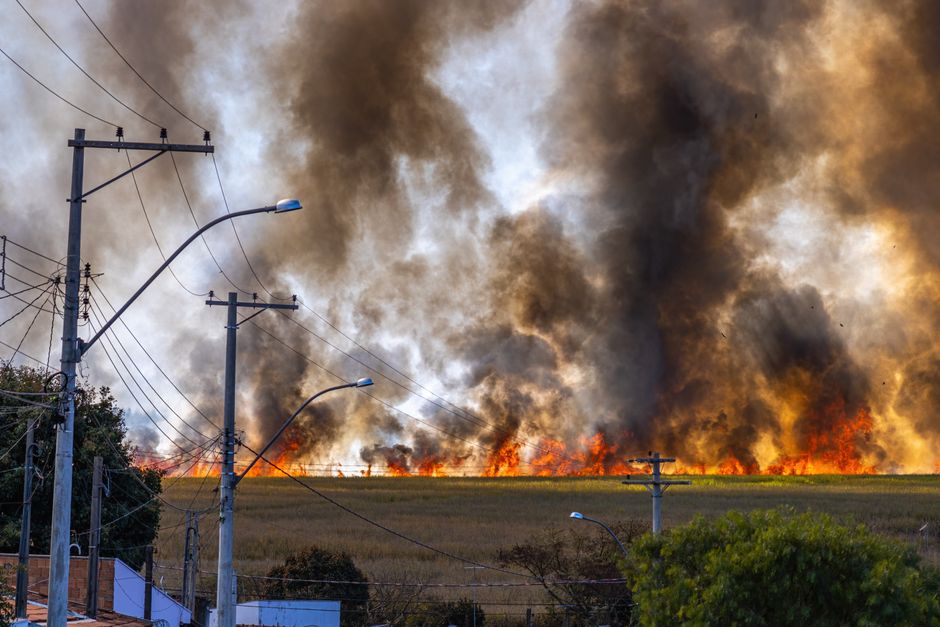
Step 1: Monitor Air Quality Like a Meteorologist
Don't wait until you smell smoke. By then, fine particulate matter—PM2.5, the tiny particles that embed deep in lung tissue—is already at dangerous levels. Bookmark AirNow.gov (run by the EPA) or download the AirNow app. Set it to your specific zip code. Pay attention to the color-coded index: green is good, yellow is moderate, orange is unhealthy for sensitive groups, red is unhealthy for everyone, purple is very unhealthy, and maroon is hazardous. When the index hits orange, start taking precautions. When it hits red, treat it like a weather emergency. According to data from the National Interagency Fire Center, wildfire seasons in Canada have grown longer and more intense over the past decade, meaning more smoke events that cross borders. Don't assume a clear sky means clean air—check the numbers.
Step 2: Seal Your Home Against Invisible Intruders
Your house is not an airtight fortress. Smoke finds cracks. Walk around your doors and windows and feel for drafts. Use weatherstripping tape or draft stoppers—the foam kind that costs a few dollars at any hardware store. Close windows tight, even if it gets stuffy. Run your HVAC system on recirculate mode, and if you have a portable air purifier, put it in the room where you spend the most time. Experts recommend a HEPA filter with a Clean Air Delivery Rate (CADR) of at least 200 for a medium-sized room. If you don't have a purifier, you can build a DIY box fan filter—tape a MERV-13 furnace filter to the back of a standard 20-inch box fan. It's not elegant, but studies show it can reduce indoor particulate levels by 50 percent or more. Avoid burning candles, vacuuming (which stirs up dust), or frying food—all add to indoor particle load.
Step 3: Rethink Your Outdoor Routine
When the Air Quality Index climbs above 150, cancel that morning run. Exercise forces you to breathe faster and deeper, pulling more smoke into your lungs. Walk your dog only for quick bathroom breaks, not a leisurely stroll. If you must go outside—say, to get groceries or pick up kids—wear an N95 or KN95 mask. Cloth masks and surgical masks do little against PM2.5; they catch droplets, not microscopic particles. An N95 that fits snugly against your face can filter out at least 95 percent of airborne particles. People with asthma, COPD, heart conditions, or who are pregnant should be especially cautious. Children also breathe more air per pound of body weight than adults, so keep them indoors when the index hits orange.
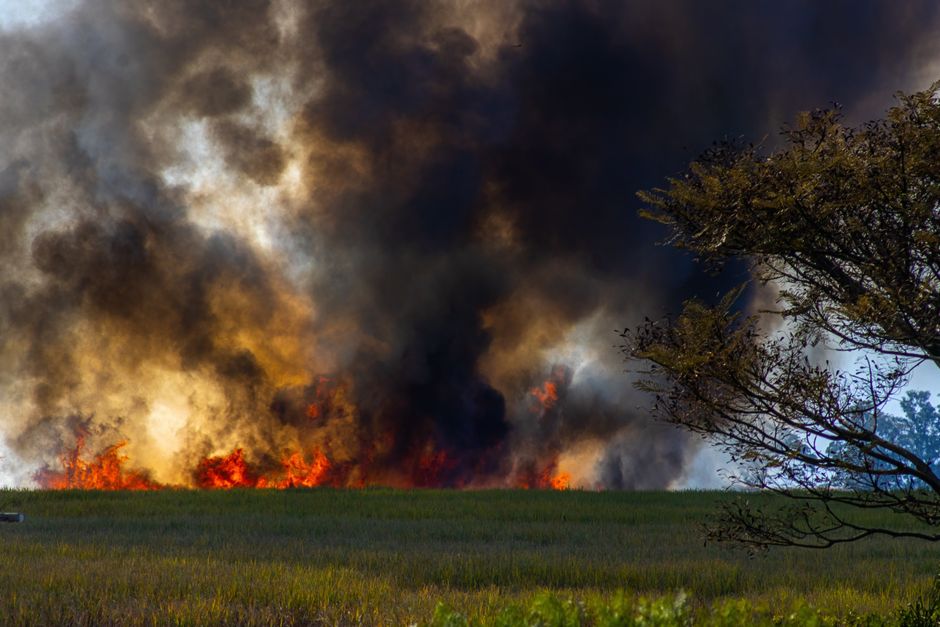
Step 4: Create a Clean Air Room
Designate one room in your home—preferably a bedroom or a den without too many windows—as your clean air sanctuary. Close the door. Run the air purifier on high. Keep windows and doors to that room sealed. If you have central air, set the fan to "on" (not "auto") so it constantly circulates and filters the air. Change your HVAC filter every month during fire season—a dirty filter can't catch particles. Stock the room with water, snacks, medications, phone chargers, and entertainment. During the 2023 Canadian wildfires, which sent smoke across the Northeast U.S., many people reported that having a single clean room made the difference between feeling sick and staying functional. Plan for it now, not when the sky turns orange.
Step 5: Know When to Evacuate
If the fire itself is approaching your area—not just the smoke—you need a go-bag ready. Pack essentials: medications, phone chargers, water, non-perishable food, a change of clothes, important documents (IDs, insurance papers), and N95 masks. Keep the bag near your door. Pay attention to evacuation orders from local authorities. If you have respiratory issues, don't wait until the last minute; leave early, because smoke can trigger attacks even if you're not in the direct fire path. During the 2021 British Columbia fires, some people reported that smoke made it hard to see while driving—evacuating before dusk gave them a safer window. Also, check on elderly neighbors and anyone without reliable transportation. Wildfires don't discriminate, but your preparedness can.
