How to Relieve Lower Back Pain with 3 Simple Exercises
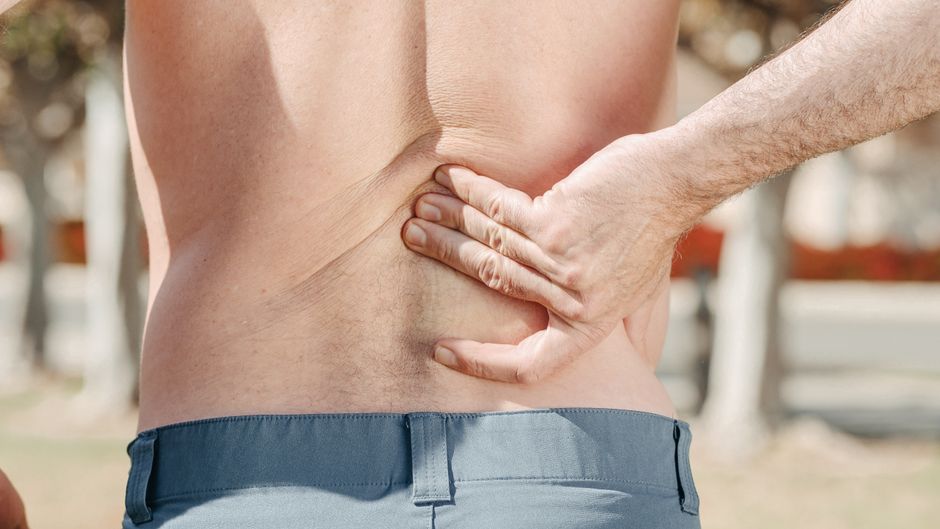
Lower back pain can turn a normal day into a slow, grinding ordeal. You bend to tie your shoe and your spine protests. You sit through a meeting and your lower back tightens into a knot. The good news is that movement, not rest, is often the best medicine. Here's a straightforward guide to three exercises that can help ease that ache without requiring a gym membership or fancy equipment.
Why Movement Beats Bed Rest
For decades, doctors told people with back pain to lie flat and wait it out. That advice has shifted. According to research published in the Annals of Internal Medicine, patients who stayed active recovered faster than those who rested for more than two days. The key is gentle, controlled movement that strengthens the muscles supporting your spine without aggravating the injury. Think of your lower back as a suspension bridge — the cables (muscles) need to be strong and flexible to keep the deck (your spine) stable.
Exercise 1: The Child's Pose Stretch
This yoga staple is a gentle way to lengthen your spine and release tension in your lower back. Start on your hands and knees on a mat or carpet. Keep your big toes together and knees hip-width apart. Slowly sit your hips back toward your heels, extending your arms forward on the floor. Let your forehead rest on the mat. Breathe deeply for 30 seconds to a minute. You should feel a mild stretch along your back, not sharp pain. Avoid this pose if you have a knee injury or if it causes any shooting pain down your legs.
Exercise 2: Cat-Cow Stretch
This dynamic duo improves spinal mobility and warms up the back muscles. Begin on all fours with a neutral spine — don't let your back sag or round. Inhale as you drop your belly toward the floor, lifting your head and tailbone toward the ceiling (Cow pose). Exhale as you round your spine like a cat, tucking your chin to your chest and drawing your navel in. Move slowly, syncing each motion with your breath. Repeat for 10 to 15 rounds. Experts note that this exercise helps lubricate the spinal joints and can reduce stiffness after sitting for long periods.
Exercise 3: Pelvic Tilts on the Floor
Pelvic tilts target the deep core muscles that stabilize your lower back. Lie on your back with your knees bent and feet flat on the floor, hip-width apart. Place your arms at your sides. Gently tilt your pelvis upward by pressing your lower back into the floor — you should feel your abdominal muscles engage. Hold for 5 seconds, then release. Do 10 to 15 repetitions. A common mistake is holding your breath or using your glutes instead of your abs. Keep your breath steady and focus on the subtle movement of your pelvis. Over time, this exercise can improve your posture and reduce the load on your lumbar spine.
What to Expect and When to Stop
Consistency matters more than intensity. Doing these exercises daily for five to ten minutes can lead to noticeable improvement within two weeks. However, if any movement causes sharp or radiating pain, stop immediately. Mild discomfort during a stretch is normal, but pain that travels down your leg or feels electric suggests nerve involvement — a sign to consult a physical therapist or doctor. Also, avoid bouncing or jerking during stretches; smooth, controlled motions are safer and more effective.
Common Mistakes That Worsen Back Pain
- Rushing the movements — speed reduces control and increases injury risk. Slow down.
- Ignoring your breath — holding your breath tenses your muscles. Exhale on effort.
- Doing the exercises on a soft surface — a bed or sofa offers too much give. Use a firm mat or carpet.
- Pushing through pain — a little stretch is fine; sharp pain is a warning sign.
Remember, these exercises are a starting point, not a cure-all. If your back pain persists for more than a few weeks or interferes with daily activities, seek professional guidance. A physical therapist can tailor a program to your specific needs. For most people, though, adding these simple moves to your routine can transform how your back feels — and help you move through the day with less ache and more ease.
