How the Most Venezuelan City in the US Rallied After Quakes
When two earthquakes struck near the border of Venezuela and Colombia in late March, millions of Venezuelans felt the ground shake. But the most immediate and powerful response didn't come from Caracas or Bogotá. It came from Doral, Florida — a small city just west of Miami that is now home to the highest concentration of Venezuelans in the United States.
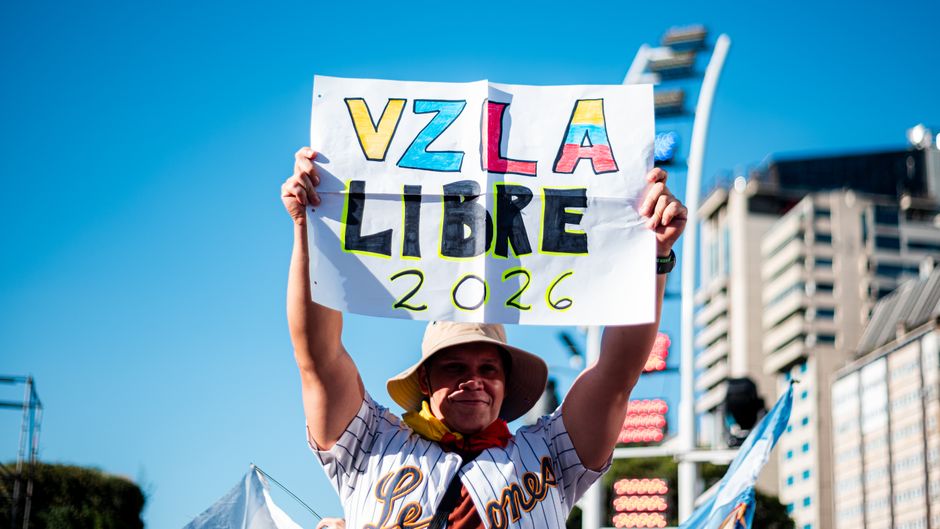
Within hours of the 5.6 and 5.1 magnitude tremors on March 27, Doral's Venezuelan community sprang into action. Local restaurants, bakeries, and churches turned into informal collection centers. The city's mayor, Juan Carlos Bermúdez, a Venezuelan immigrant himself, quickly mobilized the city's resources. "We know what it's like to lose everything," Bermúdez told me over the phone. "When the earth shakes back home, we don't wait for someone else to help."
A City Built by Immigrants
Doral, with a population of about 75,000, is often called "Doralzuela" — a nickname its residents wear with pride. More than 70% of its population is of Venezuelan descent. The city is a hub for Venezuelan-owned businesses, from arepa stands to logistics companies. After the quakes, this tight-knit network became a lifeline.
At Doral's City Hall, volunteers sorted through boxes of canned goods, rice, beans, and medical supplies. Local trucking companies offered free transport to Miami International Airport, where cargo planes chartered by Venezuelan-American organizations waited to fly the aid directly to affected areas in Táchira and Mérida states.
From Text Messages to a Movement
It all started with a few text messages. María Fernanda López, a 34-year-old nurse who moved from Maracaibo to Doral five years ago, said she woke up to frantic calls from relatives in San Cristóbal. "My aunt said the walls cracked, and people were running into the streets. I couldn't sleep after that," López recalled. She posted in a local WhatsApp group for Venezuelan mothers. Within two hours, 40 people had offered to donate. By the next morning, a makeshift drive was set up at a shopping plaza on Northwest 36th Street.
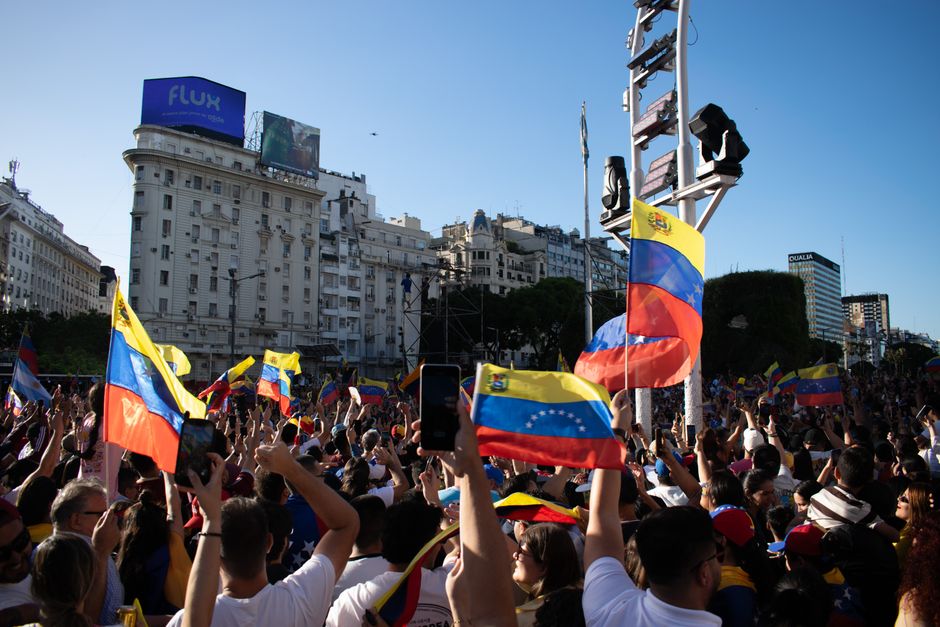
Local businesses joined in. Arepa Republic, a popular Venezuelan restaurant chain, pledged to donate 10% of all sales for three days. "Our customers are family," said owner Carlos García. "When family hurts, you do what you can." The effort raised over $30,000 in cash and supplies within the first week.
Why Doral's Response Matters
The aid from Doral is more than just charity — it's a reflection of a community that has maintained deep ties to its homeland. Many Venezuelans in Doral fled economic collapse and political turmoil. They understand the fragility of life under a crumbling infrastructure. The earthquakes, which damaged hundreds of homes and left thousands without power, hit particularly hard in regions already struggling with fuel shortages and hyperinflation.
"The government in Caracas can't even keep the lights on, let alone coordinate disaster relief," said Dr. Ana Rivas, a Venezuelan-American public health researcher at Florida International University. "So the diaspora fills the gap. Doral is proof that when you can't rely on institutions, you rely on your people."
The city has now pledged to send a second shipment of aid, including portable water filters and solar-powered lamps. For the people of Doral, the work is far from over. But as Mayor Bermúdez put it: "We left Venezuela, but Venezuela never left us. This is what we do."
