Grandfather Tossed by Bison in Yellowstone: What to Know
A 75-year-old grandfather was sent flying through the air after a bison rammed him in Yellowstone National Park last week, leaving him with serious but non-life-threatening injuries. The incident, captured on video by onlookers, shows the man walking within feet of the massive animal before it charged, lifting him several metres off the ground with its horns.
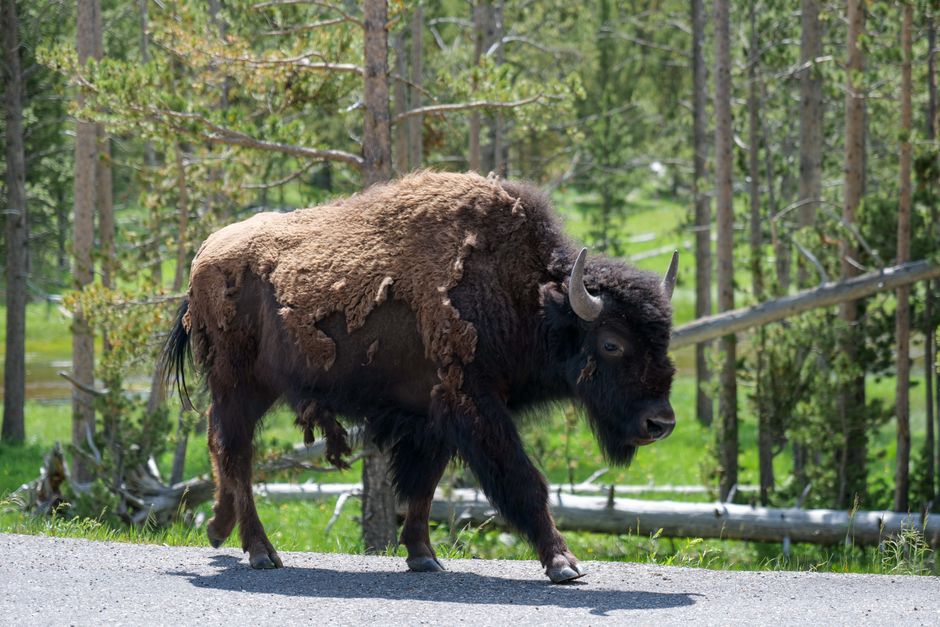
The attack unfolded near the Old Faithful geyser, a popular viewing area where wildlife often grazes close to boardwalks. Park rangers say the man had repeatedly ignored warnings to keep his distance, approaching the bison to take a photograph. Bison, which can weigh up to 900 kilograms and sprint at 55 kilometres per hour, are notoriously unpredictable when they feel threatened.
Why Bison Attacks Happen—and How to Avoid Them
Yellowstone’s bison are wild animals, not pets. Every year, dozens of visitors get too close, often lured by the chance of a perfect selfie. The park mandates a minimum distance of 23 metres from bison—roughly two bus lengths. But in practice, many people underestimate how fast a bison can close that gap.
“They look slow and placid, but that’s a dangerous illusion,” says wildlife safety expert Dr. Karen Holt. “A bison can go from grazing to full charge in under two seconds. By the time you realize you’re too close, it’s too late.”
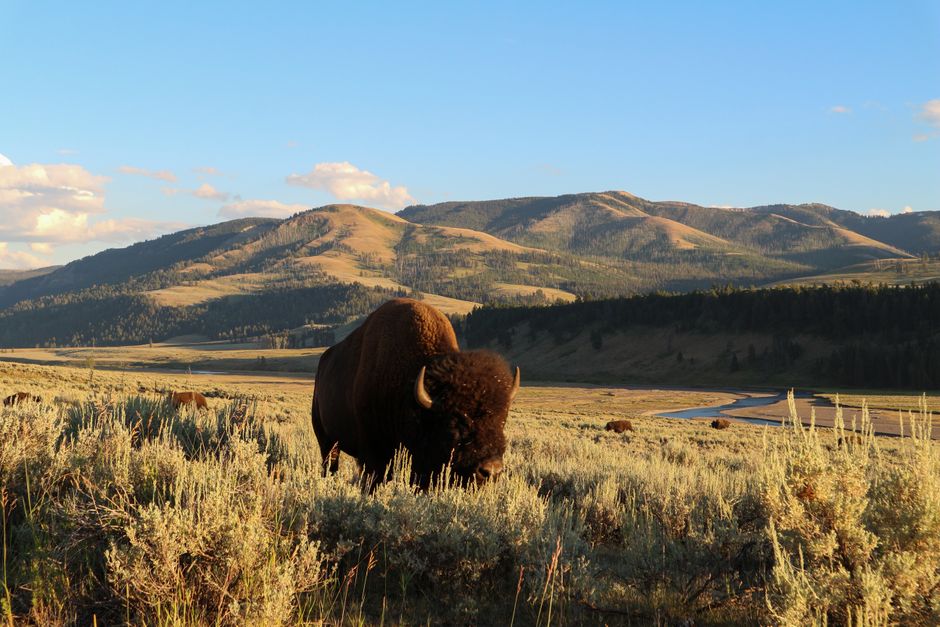
The grandfather, whose name has not been released, was airlifted to a nearby hospital with a collapsed lung, broken ribs, and deep horn wounds. Park officials confirmed he is expected to recover, but the incident serves as a stark reminder of the importance of respecting wildlife boundaries.
What To Do If You Encounter a Bison
If you see a bison on the trail, stop and give it space. Back away slowly—never turn your back or run, which can trigger a chase response. Keep dogs leashed and children close. And if a bison starts showing signs of agitation—head bobbing, pawing the ground, or snorting—retreat immediately to a safe distance or behind a solid barrier like a car or building.
Yellowstone averages about one bison-related injury per year, but that’s one too many. The park’s safety guidelines exist not just to protect visitors, but also to protect the animals from being habituated to human contact—a behavior that often leads to their euthanization.
This grandfather’s story is a cautionary tale, but it’s also a reminder of why we visit national parks in the first place: to witness nature on its own terms. The key is to do so from a safe distance—for everyone’s sake.
