From Trump critic to ally: Lindsey Graham’s Maga survival story
In 2016, Lindsey Graham called Donald Trump a “race-baiting, xenophobic bigot.” By 2020, the South Carolina senator was one of Trump’s most loyal defenders on Capitol Hill. To understand how a man who once compared Trump to a “train wreck” became his chief ally is to watch a masterclass in political survival inside the Republican Party’s populist transformation.
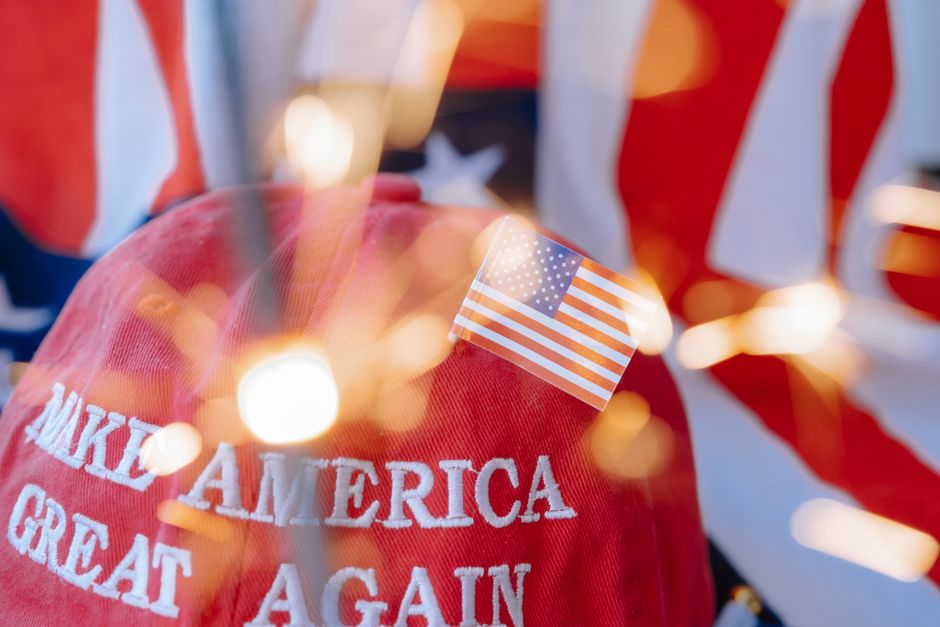
Graham’s evolution didn’t happen overnight. It was a slow, calculated recalibration. After Trump won the presidency, Graham saw which way the wind was blowing—and he adjusted. Early on, he criticized Trump’s travel ban and his attacks on the judiciary. But by 2017, Graham was golfing with Trump and praising his tax cuts. The turning point came when Graham realized that outright opposition meant political exile in a party that had fully embraced the Maga movement.
The cost of crossing Trump
Graham had watched what happened to other Republicans who defied Trump. Senators like Jeff Flake and Bob Corker chose retirement over constant primary battles. John McCain, Graham’s close friend, became a target of Trump’s wrath until his death. Graham, ever the pragmatist, decided he’d rather be inside the tent than outside. He began echoing Trump’s grievances about the 2020 election, even as he privately acknowledged the results were legitimate. “I’m a survivor,” Graham once told a reporter. “I know how to count votes.”

His shift became most visible during Trump’s second impeachment trial. Graham, who had initially called Trump’s phone call to Ukraine “problematic,” became one of the former president’s most vocal defenders. He argued that the trial was unconstitutional and that Trump had simply been expressing his opinion. Critics called it a betrayal of principle. Graham called it politics.
What Graham’s journey tells us about the GOP
Graham’s story isn’t just about one senator. It’s a case study in how the Republican Party has changed. The old guard—the country-club conservatives, the foreign policy hawks, the institutionalists—have either retired, been primaried, or transformed. Graham was never a natural populist. He was a defense hawk who believed in American global leadership. But he learned to speak the language of the base: grievance, cultural warfare, and loyalty to Trump above all else.
Today, Graham is one of Trump’s most trusted surrogates. He fundraises for Trump-endorsed candidates, defends him on cable news, and even joked that Trump could be the “second coming” of Reagan. Whether this is genuine conversion or strategic adaptation is debatable. What’s clear is that Lindsey Graham is still in the Senate—and many of his colleagues who refused to adapt are not.
