EasyJet Agrees to Surprise Takeover Bid as Rival US Firm Swoops In
In a move that has sent ripples through the aviation world, EasyJet’s board has agreed to a surprise takeover bid from an unnamed US rival, ending weeks of speculation. The low-cost carrier, known for its orange livery and no-frills flights across Europe, confirmed late Tuesday that it had accepted an offer valuing the airline at roughly £4.5 billion, including debt. The deal, which still requires shareholder and regulatory approval, could reshape the budget travel landscape on both sides of the Atlantic.
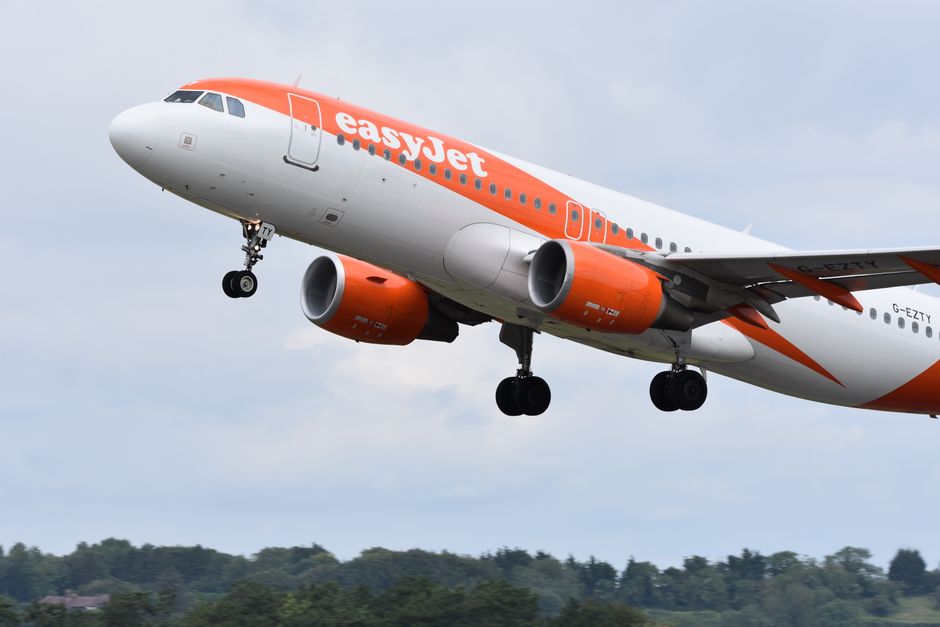
The bidder, described by sources as a major US airline with a strong presence in the transatlantic market, emerged quietly over the past month. EasyJet’s management had been exploring strategic options after a challenging few years marked by post-pandemic recovery and rising fuel costs. The offer, reportedly at a 30% premium to EasyJet’s recent share price, caught many analysts off guard. “This is a bolt from the blue,” said Sarah Jenkins, an aviation analyst at London-based consultancy AeroInsight. “EasyJet has been a staple of European low-cost travel for decades. A US takeover would be unprecedented.”
Why EasyJet? Why Now?
EasyJet operates over 1,000 routes across 35 countries, with a stronghold in key European markets like the UK, France, and Italy. Its fleet of Airbus A320 family aircraft, along with valuable slots at congested airports such as London Gatwick and Amsterdam Schiphol, make it an attractive target. The US suitor, which has not been officially named but is rumored to be Delta Air Lines or JetBlue, sees EasyJet as a gateway to expand its European network without building from scratch. The timing is also strategic: the pound has weakened against the dollar, making British assets cheaper for US buyers.
EasyJet’s CEO, Johan Lundgren, described the decision as “difficult but necessary” in a statement to investors. He emphasized that the board had a duty to consider the offer seriously, given the premium and the strategic benefits. The deal would likely involve maintaining EasyJet’s brand and operational base in Luton, but with deeper integration into the US partner’s global network. That could mean more transatlantic routes, code-share agreements, and shared loyalty programs—a potential boon for frequent flyers.
What This Means for Passengers and Employees
For passengers, the immediate impact is likely minimal. EasyJet flights will continue as scheduled, and existing bookings remain valid. But longer term, travelers could see changes: more options for connecting to US destinations, possibly at lower prices if the US partner leverages EasyJet’s cost structure. However, there are concerns about job security. EasyJet employs around 15,000 people, mostly in the UK and Europe. Unions have already called for guarantees on employment terms and base locations. The UK government, too, is expected to scrutinize the deal for competition and national interest implications, especially regarding airport slots.
The takeover also raises questions about the future of low-cost flying in Europe. If the deal goes through, it would mark the first time a major US carrier has acquired a European budget airline outright. Some analysts worry it could trigger a wave of consolidation, with other US airlines eyeing European targets like Wizz Air or Ryanair. Others see it as a natural evolution in a globalized industry where alliances are no longer enough. “Airlines are realizing that partnerships don’t give you the control you need to compete with giants like the Gulf carriers,” noted Jenkins. “Buying is the new flying.”
Regulatory hurdles remain significant. The European Commission and the UK’s Competition and Markets Authority will likely probe the deal for potential anti-competitive effects, particularly on routes where EasyJet and the US buyer overlap. EasyJet’s shareholders will vote on the offer in the coming months, and while the board has recommended acceptance, some institutional investors have expressed skepticism about the price. “It’s a good offer, but not a knockout,” said one fund manager who requested anonymity. “We need to see the full details before we decide.”
For now, the aviation world is watching closely. EasyJet’s iconic orange planes might soon have a new owner, but the spirit of affordable European travel—and the debates it stirs—is far from grounded.
