In a grim milestone for Sudan's brutal civil war, drone strikes have killed more than 1,000 civilians in the first five months of 2026 alone, the UN human rights chief announced Tuesday. The report, released from Geneva, paints a harrowing picture of a conflict that has spiraled into one of the deadliest in the world—one where the skies have become the primary vector of death for ordinary people trying to survive.
The UN High Commissioner for Human Rights, Volker Türk, described the figures as "devastating" and "entirely preventable." According to his office's verified data, the majority of these strikes occurred in densely populated urban areas, including Khartoum, Omdurman, and El Fasher. The attacks often hit markets, residential neighborhoods, and even hospitals, with little regard for civilian life. The drones, believed to be operated by both the Sudanese Armed Forces and the paramilitary Rapid Support Forces (RSF), have turned everyday activities—buying bread, fetching water, or sleeping at home—into a lethal gamble.
A War Waged from Above
Drone warfare is not new to Sudan, but its scale in 2026 has shocked even seasoned observers. The UN report notes that the rate of civilian deaths from drone strikes has tripled compared to the same period in 2025. In April alone, a series of coordinated strikes on a market in Omdurman killed 147 people, including 38 children. Survivors described scenes of chaos: bodies scattered among overturned stalls, the smell of burning plastic and flesh, and the eerie hum of drones lingering long after the explosions.
"You can't see them, but you hear them—a low buzz that gets louder, then silence, then the boom," said Ahmed, a 34-year-old shopkeeper who lost his brother in the attack. "We used to fear the soldiers on the ground. Now we fear the sky."
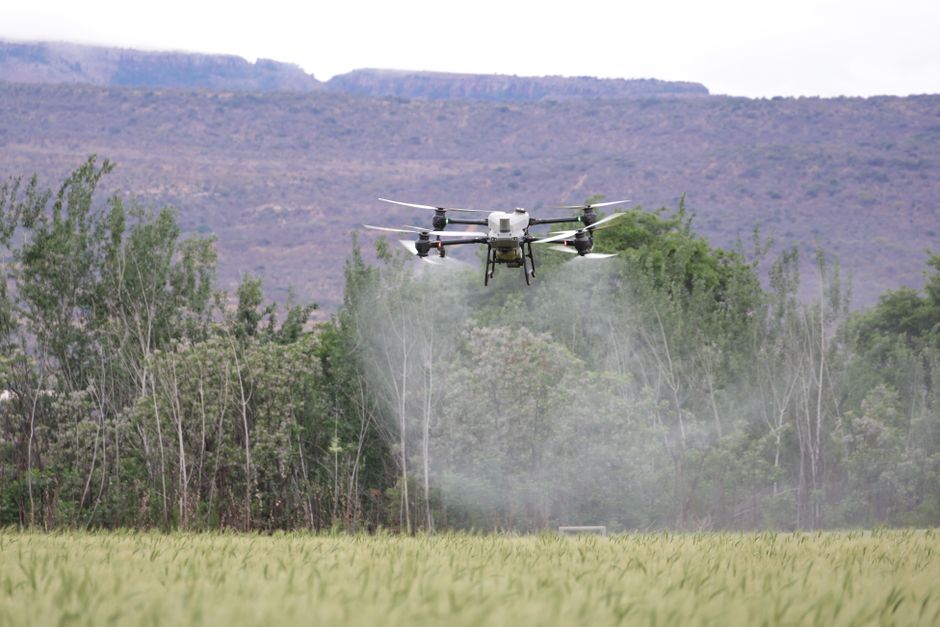
The report also highlights a disturbing trend: the use of commercially available quadcopters rigged with explosives, alongside military-grade drones supplied by foreign powers. Both sides have accused each other of targeting civilians, but the UN rights chief was blunt: "There is no justification for these attacks. They are war crimes, plain and simple."
Why the Death Toll Is Likely Higher
The 1,000-plus figure is based on verified incidents—meaning actual bodies counted by UN investigators or credible local sources. Türk warned the real number is probably much higher. Many remote areas lack internet or phone coverage, and some families bury their dead without any official record. In the sprawling displacement camps of Darfur, where hundreds of thousands have fled, drone strikes are a constant threat. Aid workers report that drones have targeted water points and food distribution centers, killing those already on the brink of starvation.
The international response has been muted. While the UN Security Council has issued multiple statements condemning the violence, no binding resolutions have been passed. Russia and China have vetoed stronger measures, citing concerns over sovereignty. Meanwhile, the drones keep flying.
For ordinary Sudanese, the war has become a daily horror show. Schools are closed, hospitals are overwhelmed, and the economy has collapsed. The drone strikes add a layer of psychological terror: no one knows when or where the next attack will come. Children in Khartoum now flinch at the sound of any aircraft, even passenger planes.
The UN rights chief ended his statement with a plea: "The world must not look away. Every drone strike is a decision made by someone. Those decisions are killing innocent people. They must stop." But with no ceasefire in sight, and both sides armed to the teeth, peace feels like a distant hope.