Cowboys, Fighter Jets, and US Border Patrol: Inside Trump's Big Recruitment Drive
When the Trump administration launched a sweeping recruitment campaign for the US Border Patrol, it wasn't your typical government job fair. The pitch combined rugged individualism with high-tech hardware—think cowboy hats, fighter jet flyovers, and a promise of purpose. The goal? To fill thousands of vacancies along the southern border by appealing to a sense of adventure and national duty.
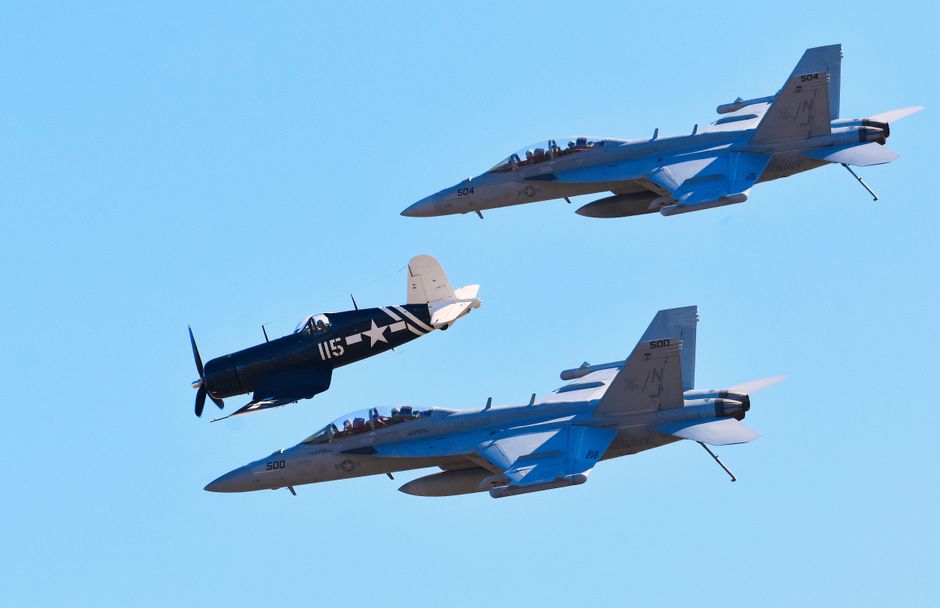
The campaign, which kicked off in early 2025, uses a mix of social media blitzes, local events in rural communities, and partnerships with law enforcement agencies. Recruiters are targeting veterans, outdoor enthusiasts, and those looking for a career shift. At a recent rally in Arizona, a retired Air Force pilot flew an F-16 low over the crowd while recruiters handed out branded gear. The message was clear: this isn't a desk job.
From Saddles to Sensors
The imagery of cowboys isn't just nostalgic—it's strategic. Border Patrol has long prided itself on its mounted units and rugged terrain expertise. Today, those skills are paired with drones, thermal imaging, and biometric scanners. Recruits are promised training in both traditional tracking and cutting-edge surveillance. One recruiter in Texas told me, 'We need people who can ride a horse and operate a tablet.' That duality is central to the pitch.
Who's Signing Up?
Interest has been strong among younger men and women from border states, but the campaign is also drawing applicants from the Midwest. A 28-year-old former construction worker from Ohio said he applied because 'it's a chance to do something real.' Others cite the benefits: competitive pay, federal retirement, and the ability to work outdoors. However, critics argue the rhetoric oversimplifies the challenges of the job, which can include long hours, isolation, and moral dilemmas.

The recruitment drive comes amid ongoing debates about immigration policy. Supporters say it's a necessary step to secure the border. Opponents worry it militarizes the region. Regardless of where you stand, the campaign is a masterclass in branding—blending old West mythology with modern tech. Whether it will meet its hiring targets remains to be seen, but early data shows applications have jumped 40% since the campaign launched.
For now, the message resonates with a specific audience: those who want a job that feels like a calling. As one recruiter put it, 'We're not just hiring guards. We're building a team that protects the line.' The line, in this case, is both physical and symbolic—a border that exists as much in the American imagination as on the map.
