Canada’s $60B Submarine Deal with Germany: What You Need to Know
Canada has just placed the largest defence order in its history: 12 advanced submarines from Germany's ThyssenKrupp Marine Systems, a deal worth an estimated $60 billion. The announcement, made Tuesday, marks a dramatic shift in Canada’s naval strategy and signals a deepening partnership with Europe’s defence industry. The new subs, based on the Type 212CD design, are expected to begin entering service in the late 2030s, replacing the aging Victoria-class fleet that has been plagued by maintenance issues for years.
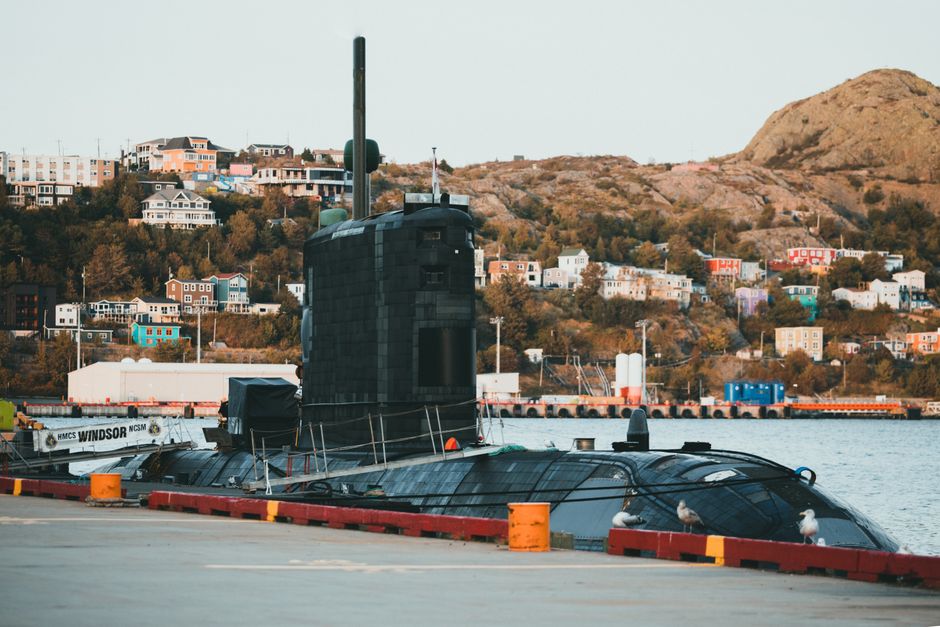
For decades, Canada’s submarine program has been a source of frustration. The four British-built Upholder-class vessels, purchased second-hand in the 1990s, have spent more time in dry dock than at sea. One, HMCS Chicoutimi, caught fire on its maiden voyage across the Atlantic in 2004, killing one sailor. Another, HMCS Corner Brook, ran aground off British Columbia in 2011. The fleet has never been fully operational. This new contract aims to change that narrative entirely.
Why Germany Won the Bid
The decision to go with ThyssenKrupp’s Type 212CD came after a competitive bidding process that also included French and Spanish shipbuilders. The German design stood out for its air-independent propulsion system, which allows submarines to stay submerged for weeks without surfacing. That’s a critical advantage in the Arctic, where ice cover makes surface operations dangerous. The boats will be built at Kiel, Germany, with significant work subcontracted to Canadian shipyards in Halifax and Vancouver.
The deal also includes a comprehensive maintenance and training package, with German engineers expected to set up a permanent support hub in Nova Scotia. Canadian crews will undergo training at the German Navy’s submarine school in Eckernförde. This is not just a purchase—it’s a technology transfer that will give Canada its first truly modern submarine capability in decades.
What This Means for the Arctic
Canada claims 1.4 million square kilometers of Arctic seabed under the United Nations Convention on the Law of the Sea. Patrolling that vast, frozen region has been nearly impossible with the current fleet. The new submarines are designed for under-ice operations, with reinforced hulls and advanced sonar systems tailored for shallow, noisy Arctic waters. They will also be capable of launching long-range torpedoes and cruise missiles, giving Canada a credible deterrent against any incursion into its northern waters.
The political implications are significant. The deal shores up Canada’s relationship with NATO allies at a time when global tensions are high, and it sends a clear message to Russia and China that the Northwest Passage is not up for grabs. Domestically, the contract is expected to create an estimated 8,000 jobs across Canada, from steel fabrication in Ontario to electronics assembly in Quebec.
Of course, there are skeptics. The $60 billion price tag is more than double what the government originally budgeted, and some experts question whether Canada can afford the long-term operating costs. But for a country with the longest coastline in the world and a growing need to protect its Arctic sovereignty, this deal represents a generational investment in naval power. Whether it delivers on its promises will depend on how well Canada manages the complex logistics of building, training, and deploying a fleet of submarines it has never had before.
