'Beautiful and terrible': The World's Thoughts on the US at 250
As the United States marks its 250th birthday, a strange ambivalence hangs in the air. Abroad, the nation is often described in the same breath as both 'beautiful' and 'terrible'—a superpower that inspires awe and admiration, yet also fear and frustration. This duality isn't new, but the milestone has forced a global reckoning with what America has become, and what it means for the rest of us.
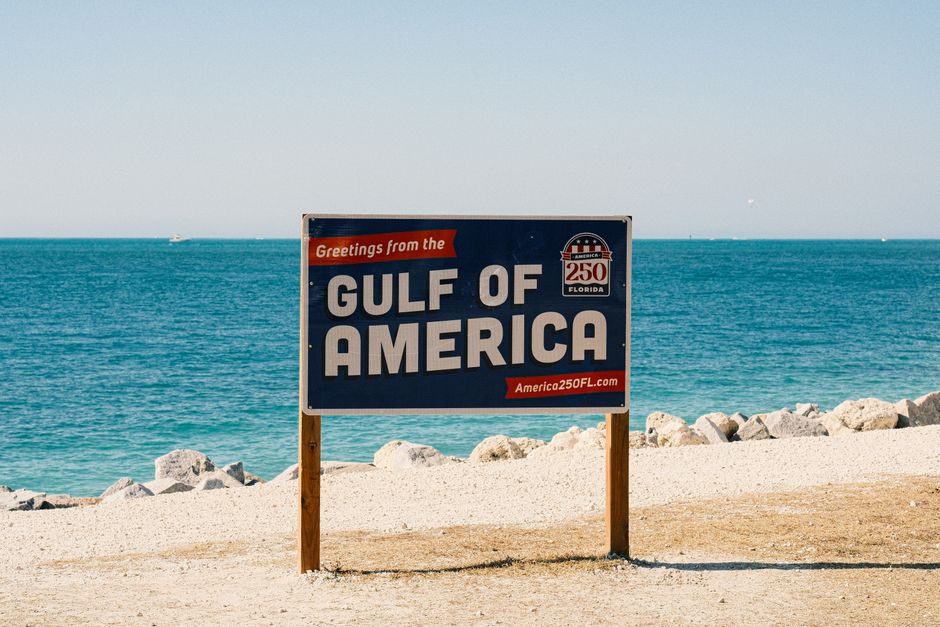
In capitals from Berlin to Tokyo, the anniversary has sparked a wave of reflection. For many, the US remains a beacon of innovation and freedom—the land that gave the world jazz, the internet, and the civil rights movement. But that same nation has also exported wars, economic shocks, and cultural domination that sometimes feels more like a flood than a gift. The 'beautiful' part is easy: the Statue of Liberty, Silicon Valley startups, and the audacity of a country that reinvented itself from scratch. The 'terrible' part is harder to swallow: systemic inequality, gun violence, and a foreign policy that often prioritizes power over principle.
A Love-Hate Relationship
Interviews with diplomats, artists, and ordinary citizens reveal a complex picture. A young entrepreneur in Nairobi told me she admires the US for its 'can-do' spirit, but worries its influence crushes local industries. A retired teacher in Paris described America as 'a fascinating experiment that keeps failing its own ideals.' These aren't simple criticisms—they're laced with genuine affection. The US is still the world's most popular destination for immigrants, and its movies, music, and brands are ubiquitous. But that familiarity breeds a kind of intimacy that makes its flaws feel personal.
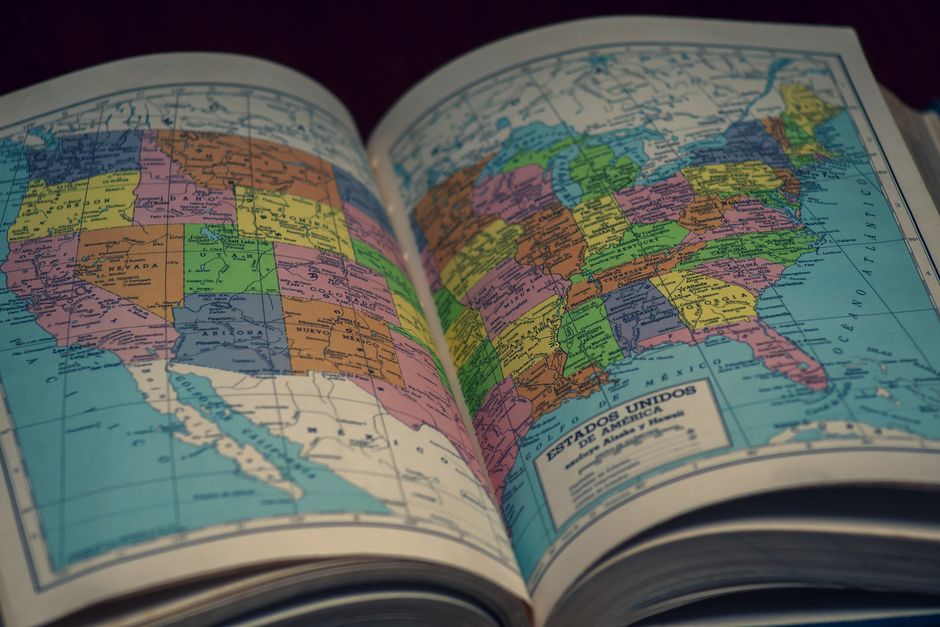
Take the climate crisis. American innovations in solar and electric vehicles are celebrated, yet the US remains the world's second-largest carbon emitter. Or consider democracy: America's founding ideals are quoted in protest movements from Hong Kong to Belarus, but its own political system is increasingly seen as gridlocked and corrupt. This cognitive dissonance is exhausting for the rest of the world, which must constantly navigate between admiration and disappointment.
What the Next 250 Years Might Bring
Looking ahead, many hope the US can reconcile its 'beautiful' and 'terrible' sides. The anniversary isn't just about nostalgia—it's a challenge. Will America lead with humility, listening more and dictating less? Or will it double down on unilateralism? The global mood leans toward cautious optimism. Nations still want the US at the table, but they're demanding a more mature partner. As one Brazilian journalist put it, 'We don't need a savior or a bully. We need a friend who knows its own flaws.' That, perhaps, is the most honest birthday gift the world can offer.
