Americans Celebrate Independence: How the UK Marks the Split
Every July 4th, Americans fire up the grills, light fireworks, and proudly celebrate their independence from British rule. But across the Atlantic, the day passes without fanfare. So how does the United Kingdom actually mark the anniversary of losing its American colonies? It's a quieter, more nuanced story than you might expect.
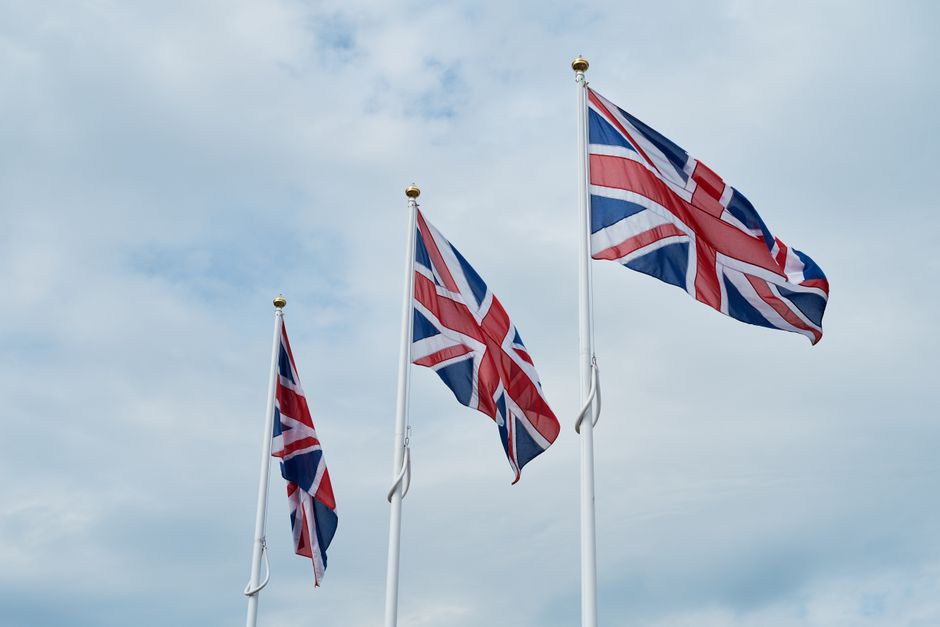
In Britain, July 4th is just another Thursday. There are no public holidays, no parades, and certainly no fireworks commemorating the 1776 Declaration of Independence. For most Britons, the day holds little significance—a historical footnote rather than a national wound. But that doesn't mean the relationship is ignored.
A Day of Diplomacy and Reflection
The most visible official acknowledgment comes from the U.S. Embassy in London, which hosts an annual Independence Day party. British politicians, including members of the royal family, often attend. It's a diplomatic affair, complete with speeches about the "special relationship"—a term Winston Churchill popularized after World War II. The event is less about mourning the split and more about celebrating the enduring alliance between the two nations.
Some British historians and heritage sites, like the Museum of the American Revolution in York, use the date to offer talks or exhibitions. They focus on the shared history, not the bitterness. In fact, many Britons view the American Revolution as a family quarrel that ultimately led to two strong, democratic nations.
On social media, British accounts sometimes post lighthearted jokes about the split. "We got over it," they say, pointing to the Beatles, Shakespeare, and the NHS as cultural exports that Americans love. Others note that the UK still has a constitutional monarchy, while America has a president—both systems have their quirks.
What About the Other Side of the Story?
Interestingly, some Britons mark July 4th by reflecting on their own empire's legacy. In recent years, there's been a growing conversation about colonialism and its impacts. A few academic institutions host seminars on the American Revolution, examining it from a British perspective—focusing on the political miscalculations, the economic costs, and the lessons learned. It's not a celebration, but a quiet moment of historical analysis.
Meanwhile, many British pubs and bars in tourist-heavy areas like London or Edinburgh run American-themed specials on July 4th. They serve burgers, hot dogs, and American beers, catering to expats and curious locals. It's a commercial nod to the day, not a political statement.
So while Americans mark their split from Britain with fireworks and barbecues, the UK's response is understated: a diplomatic party, a few historical reflections, and a general shrug. For most Britons, the American Revolution is ancient history. The modern relationship—a partnership of allies and friends—is what truly matters.
