Air Testing Confirms 'No Hazard Exists' at Pentagon After Lockdown
The Pentagon was placed on lockdown Thursday after reports of a possible airborne threat, but air testing has since confirmed that no hazard exists, officials said. The incident, which triggered a swift response from emergency crews and a temporary halt to operations at the world's largest office building, turned out to be a false alarm.
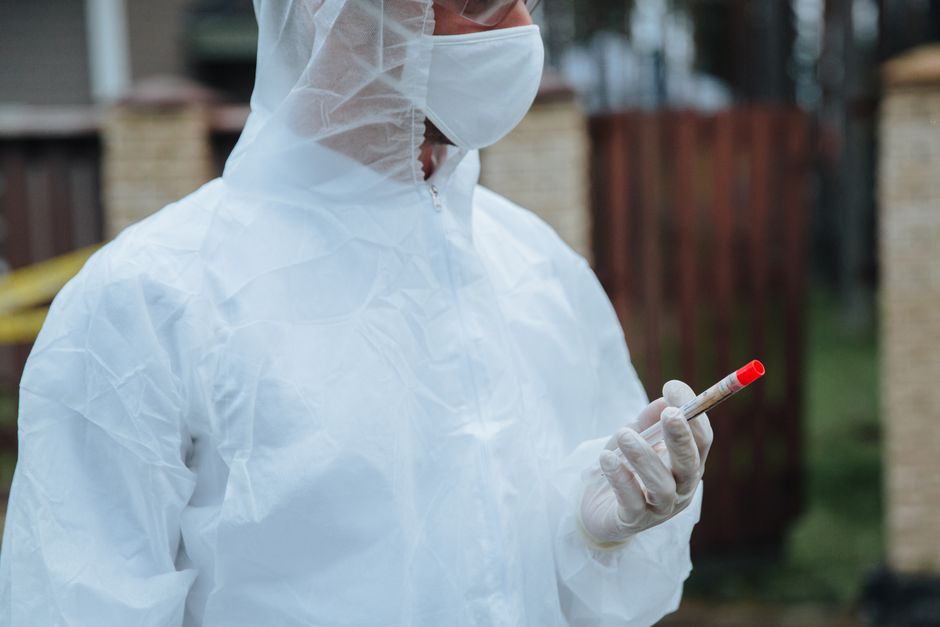
According to a statement from the Pentagon Force Protection Agency, the lockdown was initiated following a routine air quality monitoring system alert in a specific section of the building. Military and civilian personnel were instructed to shelter in place while hazmat teams conducted thorough testing. Within hours, results came back negative for any dangerous substances.
What Triggered the Alert?
The alert was triggered by a sensor designed to detect chemical, biological, or radiological agents. Such systems are standard in high-security government facilities. In this case, the sensor flagged an anomaly, prompting immediate precautionary measures. Pentagon spokesperson Sue Gough said, 'We take every alert seriously. The safety of our personnel is paramount.'
Emergency responders in full protective gear swept the affected area, taking air samples and analyzing them on-site. No injuries were reported, and the lockdown was lifted after officials determined the area was safe. The exact cause of the sensor activation remains under investigation, but initial speculation points to a mechanical glitch or environmental factor.

This isn't the first time the Pentagon has faced such a scare. In 2021, a similar lockdown occurred after reports of a suspicious substance, which was later found to be harmless. The building, which houses over 23,000 military and civilian employees, maintains a robust security posture. Thursday's incident underscores the fine line between vigilance and overreaction.
Lessons Learned
While the lockdown caused minor disruptions—meetings were delayed, and some workers were stuck in hallways—the response was praised for its efficiency. 'It's better to be safe than sorry,' said one employee who wished to remain anonymous. 'I'd rather have a false alarm than miss a real threat.'
The Pentagon Force Protection Agency is reviewing the incident to improve sensor calibration and response protocols. For now, life at the Pentagon returns to normal, with a collective sigh of relief from those who spent the afternoon waiting for the all-clear.
