Air Canada pilot flew for 17 years without valid licence
For nearly two decades, an Air Canada pilot quietly flew passengers across the country and internationally — all while allegedly lacking the proper licence to be behind the controls. The revelation has sent shockwaves through the aviation industry and raised serious questions about oversight at one of Canada's largest airlines.
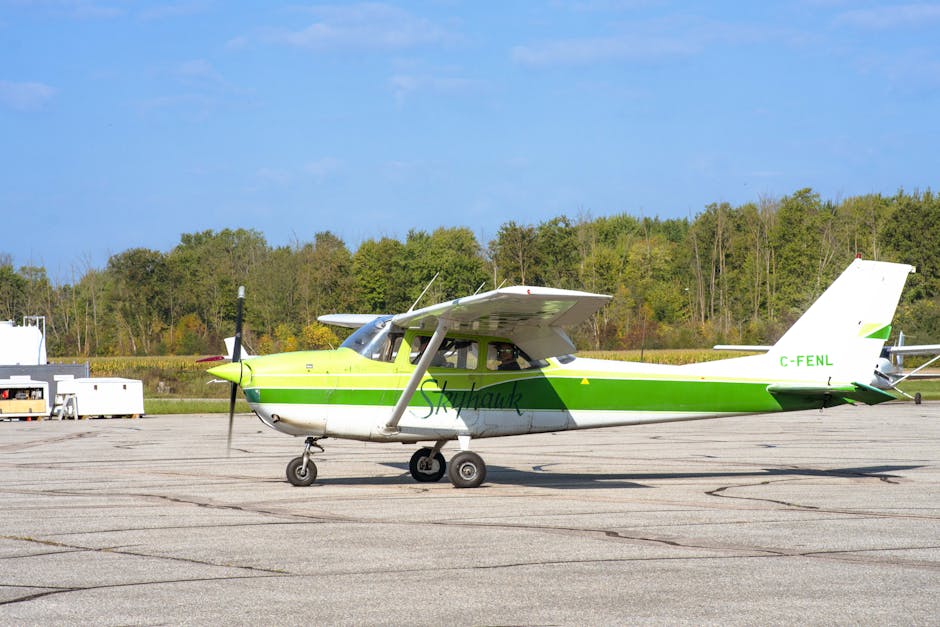
The pilot, identified as 56-year-old Imran Syed, was first hired by Air Canada in 2003. According to court documents, Syed obtained his commercial pilot licence in 1998 but failed to meet the requirements for an Airline Transport Pilot Licence (ATPL), which is mandatory for captains of large commercial aircraft. He allegedly flew as a first officer — and at times as captain — without ever holding the proper certification.
How did this go unnoticed for 17 years?
The case came to light only after a routine audit by Transport Canada in 2020 flagged discrepancies in Syed's records. Investigators discovered that his licence had been issued based on incorrect flight hour logs and incomplete training records. Air Canada, in a statement, said it had relied on the validity of the licence as presented by the pilot and was cooperating fully with authorities.
Syed has been charged with fraud and uttering forged documents. He is scheduled to appear in court later this month. The airline has placed him on unpaid leave pending the outcome of the investigation.
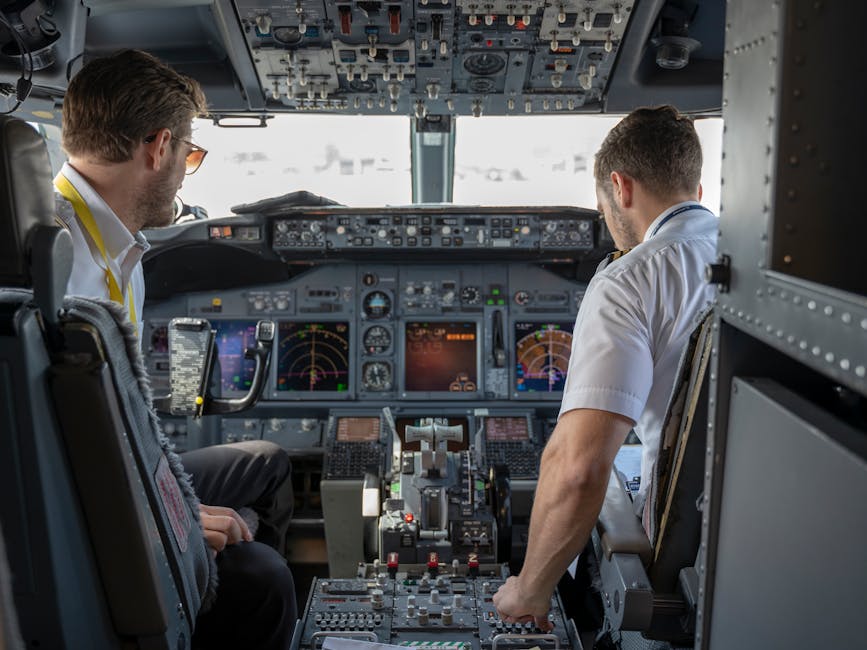
Industry experts are baffled. "This is an extraordinary failure of multiple checks and balances," said retired aviation safety inspector Mark Thompson. "Every pilot's credentials are supposed to be verified by the airline, the regulator, and the union. That three layers missed this for 17 years is deeply troubling."
Passenger safety: was anyone at risk?
Air Canada insists that Syed was always supervised by a fully licensed captain when acting as first officer, and that he never flew solo as captain without proper oversight. Still, the case highlights vulnerabilities in how pilot credentials are verified. Unlike in the United States, where a centralized database tracks all pilot licences, Canada relies on a patchwork of paper records and manual checks.
Transport Canada has since launched a review of all pilot licences issued over the past decade. The agency says it's implementing digital verification systems to prevent similar incidents. For passengers, the takeaway is sobering: even a major airline like Air Canada can be fooled for years.
As Syed's case moves through the courts, the broader question remains: how many other pilots are flying with questionable credentials? The answer may be uncomfortable.
