After a year of ICE raids, Southern California finds joy in Mexico's World Cup run
For much of the past year, Southern California's immigrant communities have lived under a cloud of anxiety. ICE raids, detentions, and the constant threat of family separation have reshaped daily life in neighborhoods from East L.A. to Santa Ana. But in recent weeks, something unexpected has pierced through that tension: the roar of thousands of fans packed into bars, living rooms, and public plazas, cheering for Mexico's national soccer team in the World Cup.
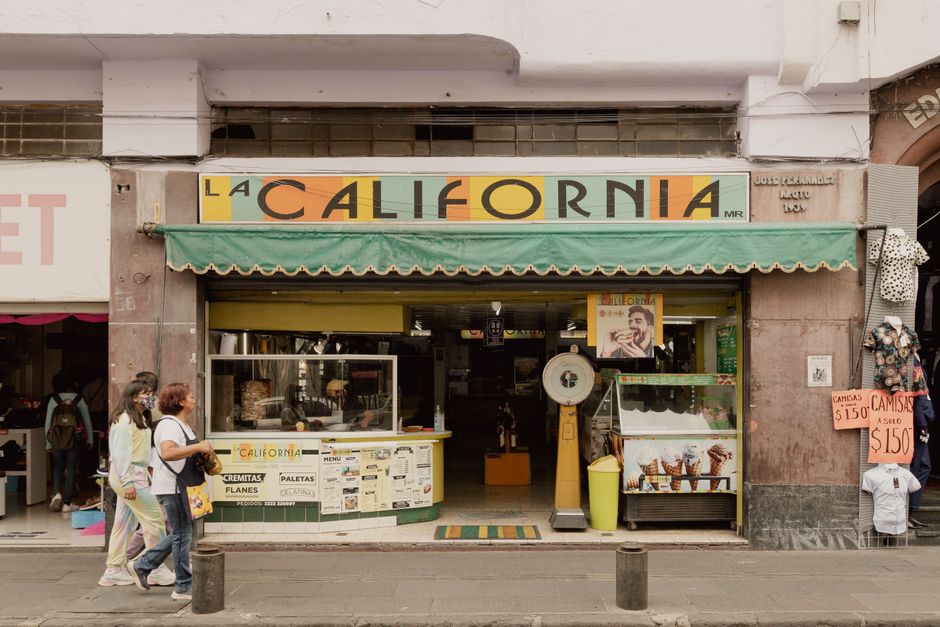
The joy is palpable. At a taco stand in Boyle Heights, a group of men in green jerseys huddle around a small TV, their faces lit by the glow of the screen. When Mexico scores, the street erupts — car horns, shouts, and the clatter of plastic cups. For a few hours, the fear that has shadowed these communities takes a backseat to something simpler: pride in a team that represents a shared heritage. This is not just about soccer; it's about reclaiming a sense of belonging in a place that has felt increasingly hostile.
A year of fear and resilience
The past twelve months have been brutal. Under the current administration, ICE operations in Southern California have intensified, with agents targeting workplaces, schools, and even courthouses. In Los Angeles County alone, arrests rose by over 30% compared to the previous year, according to data from the California Attorney General's office. Families have stockpiled emergency plans, and kids have learned that a knock on the door might not mean a package delivery. Yet, despite the pressure, these communities have shown remarkable resilience. Churches have become sanctuaries, legal aid clinics have expanded, and neighbors have formed watch networks. The World Cup run has become a rare, collective exhale.
The role of soccer in immigrant identity
Mexico's World Cup run is more than a sports story; it's a cultural lifeline. For many first- and second-generation Mexican-Americans, the team's success is a validation of their roots. When El Tri advances, it's a victory for the barrio, for the corner store selling churros, for the abuela who still calls Mexico home. In cities like San Diego and Riverside, watch parties have drawn thousands, with flags draped over balconies and car windows. The energy is infectious, and it's creating a temporary but powerful sense of unity that cuts across age, status, and legal documentation.
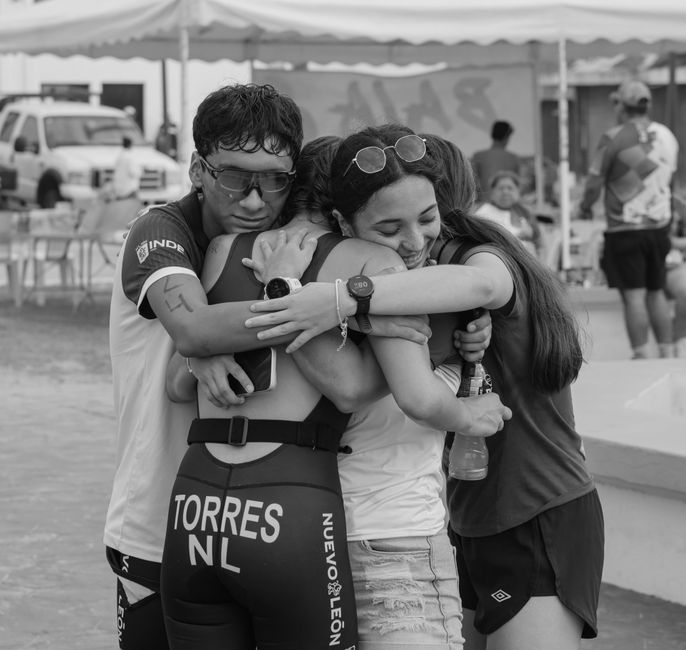
Local businesses have also felt the boost. Restaurants that struggled during the pandemic are now packed on game days. A taqueria owner in Anaheim told me he's selling three times the usual amount of aguas frescas and tacos. “People want to celebrate,” he said, wiping a sweat-stained brow. “They need this.” The economic ripple is small, but it's a reminder that joy can be a form of resistance. For a few hours, the fear of raids fades, replaced by the simple pleasure of a shared goal.
What this means going forward
Of course, the World Cup won't last forever. When the tournament ends, the uncertainty will return. But the past few weeks have shown that even in times of deep stress, community bonds can be strengthened through collective celebration. Organizers are already talking about using this momentum to push for more immigrant-friendly policies, like driver's licenses for all and protections against workplace raids. For now, though, Southern California is savoring the moment. In a year marked by fear, Mexico's World Cup run has offered something precious: a reason to smile, to chant, and to remember that joy is still possible.
