74 Years Later: First Look at Pan Am Wreckage vs. Modern Crash Archaeology
Some stories don't end when the engines stop. They just go quiet — buried under jungle canopy, encrusted in coral, or in this case, locked in a high-altitude glacier on a remote mountainside in Oregon. The moment a research team got its first look at the wreckage of Pan Am Flight 6, 74 years after it slammed into the side of Mount Gilbert, is the kind of historical reveal that makes you stop scrolling. But what does this discovery actually tell us, and how does it compare to the way we investigate crashes today? Let's put the old and new side by side.
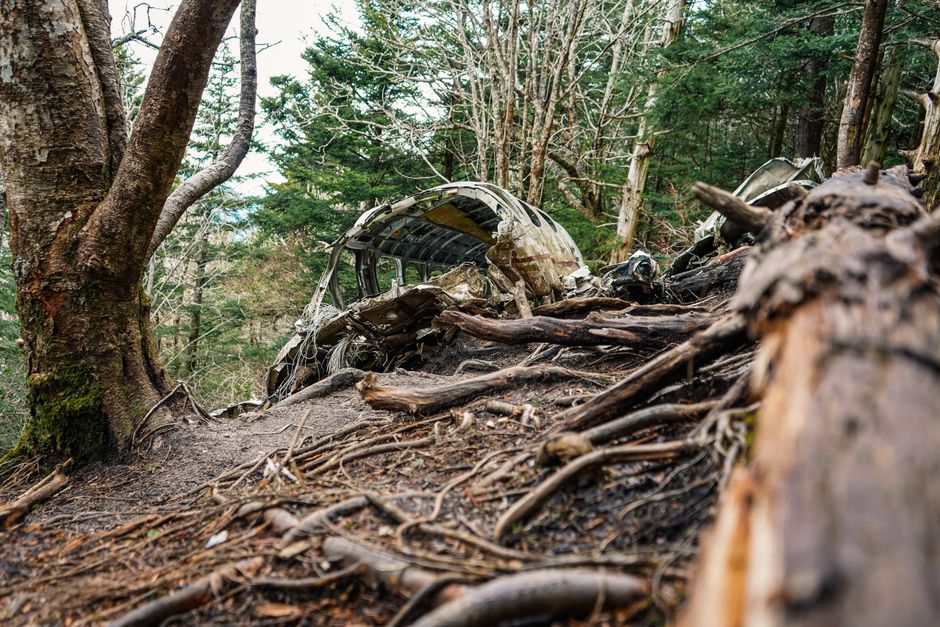
The Two Approaches: 1947 vs. 2021 Investigation Methods
When Pan Am Flight 6 — a Boeing 377 Stratocruiser flying from Honolulu to San Francisco — went down on March 22, 1947, recovery teams faced brutal conditions. Snow, ice, and limited aerial survey technology meant the crash site was essentially swallowed by the mountain. The original investigation relied on eyewitness accounts, radio logs, and whatever twisted metal could be hauled down the slope. According to research into the incident, the Civil Aeronautics Board concluded the probable cause was a navigational error combined with severe weather. That was it. Case closed.
Fast forward to 2021. A team from the Oregon-based non-profit Search and Rescue and several volunteer mountaineers finally reached the debris field. They used drones, GPS mapping, and ground-penetrating radar. The difference is night and day. The modern team didn't just look for wreckage — they documented every fragment in 3D, collected ice-core samples to understand how the glacier had shifted over decades, and even recovered personal artifacts that had been frozen in time.
- 1947 tools: Binoculars, boots, paper maps, telegraph
- 2021 tools: LiDAR drones, satellite imagery, forensic ice analysis
- Data recovered: 1947: scattered reports and photos. 2021: 4K video, high-res scans, preserved letters and luggage
The contrast isn't just about better gadgets. It's about a shift in philosophy: from closing a case to preserving a story.
What the Wreckage Revealed: Then vs. Now
The original 1947 report estimated the crash site spanned about 800 feet of talus slope. The 2021 team found debris scattered across nearly two miles — the glacier had been moving, slowly carrying pieces of the plane downhill like a frozen conveyor belt. This single fact rewrites the timeline of the accident. The initial impact might have been survivable for some passengers, but the subsequent slide and snow burial made escape impossible.
Experts note that modern crash archaeology treats a site like a crime scene — every bolt, every scrap of fabric, every shoe sole is a clue. The Pan Am team found a watch stopped at 8:17 AM, matching the last radio transmission. They also discovered a leather satchel containing letters never sent. In 1947, such items would have been scooped up and returned to families with little documentation. Today, each artifact is photographed, cataloged, and sometimes DNA-tested to identify remains. The difference is profound: the old approach gave closure; the new one gives context.
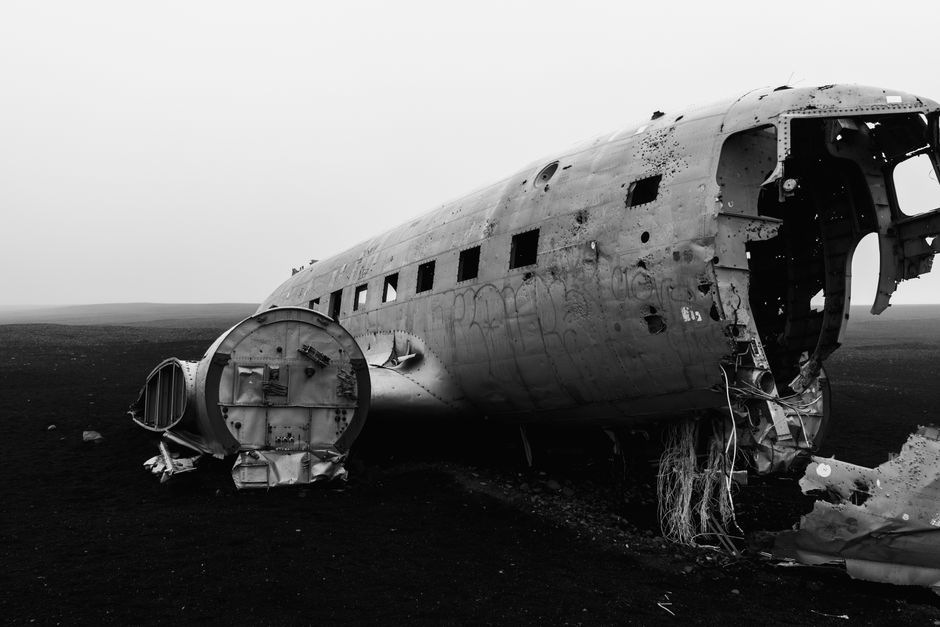
Pros and Cons: Two Eras of Crash Investigation
Let's be honest — the 1947 investigators were working with what they had. They weren't incompetent; they were limited. But comparing the two eras reveals real trade-offs:
1947 Approach:
✅ Quick closure for families
✅ Lower cost and less time in the field
❌ High likelihood of missed evidence
❌ No ability to track glacier movement or long-term preservation
2021 Approach:
✅ Comprehensive documentation for historical and scientific study
✅ Potential to identify remains with DNA
❌ Expensive and logistically complex (helicopter support, specialized gear)
❌ Raises ethical questions: how much do we disturb a grave site for knowledge?
The 2021 team walked a careful line. They didn't remove everything — they left the wreckage in place, respecting it as a memorial. But they took enough data to build a virtual model that anyone can study. That's something the 1947 team couldn't have imagined.
Verdict: Why This Matters Beyond the Wreckage
If you're looking for a clear winner between old and new methods, you're missing the point. The Pan Am Flight 6 rediscovery isn't about which era did it better. It's about what we owe the past. The 1947 investigators did their job. The 2021 team did theirs, armed with tools and a different cultural lens. Together, they've given us something rare: a complete arc from tragedy to understanding. The watch stopped at 8:17 AM. But the story keeps running.
For anyone fascinated by aviation history, forensic science, or just the quiet dignity of a mountain holding its secrets for 74 years, this comparison is a reminder that every crash has two stories — the one we first tell, and the one we find when we're ready to look again.
