5 Uncomfortable Truths About Trump's $5 Million Payment to E. Jean Carroll
On a Friday afternoon in early 2024, Donald Trump did something he almost never does: he paid up. A federal court in New York confirmed that the former president had deposited $5 million into an escrow account for writer E. Jean Carroll, satisfying a jury's judgment that he sexually abused and defamed her in the 1990s and again after she went public. The check cleared, but the story it tells is far messier than a simple transaction. Here are five things this payment reveals about power, accountability, and the strange mechanics of American justice.
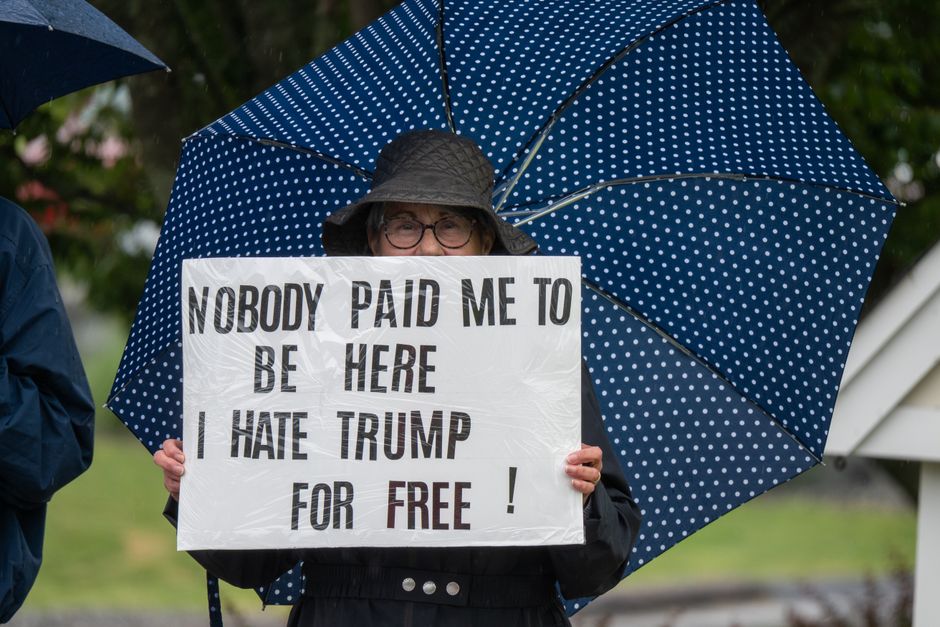
1. The Jury Didn't Buy the Denial
In May 2023, a Manhattan jury took less than three hours to decide that Trump had sexually abused Carroll in a Bergdorf Goodman dressing room in the mid-1990s, and then defamed her when he called her accusation a hoax. The verdict wasn't a criminal conviction—it was a civil finding, which means the standard of proof was lower. But the speed of the deliberation suggests the panel found Carroll's testimony credible and Trump's denials hollow. According to court records, the jury awarded Carroll $2 million for the sexual abuse and $3 million for defamation. That's a total of $5 million, a sum that, for a man who once claimed his net worth exceeded $10 billion, might seem like pocket change. But the symbolic weight is enormous. A jury of his peers—ordinary New Yorkers—looked at the evidence and decided he was liable.
2. The Payment Came With Strings Attached
Trump didn't just write a check and move on. His legal team deposited the $5 million into an escrow account while appealing the verdict, a standard move that prevents the plaintiff from collecting until the appeal is exhausted. This tactic buys time. Trump's lawyers have argued that the jury's finding of sexual abuse should be overturned because the alleged conduct doesn't meet New York's narrow legal definition of rape. (The jury specifically found him liable for sexual abuse, not rape.) The appeal could drag on for months or years, meaning Carroll may not see a penny of that money anytime soon. According to legal experts quoted in court filings, this is a common delay strategy used by wealthy defendants—pay the judgment, but only under protest, and force the plaintiff to wait.
3. The Defamation Award Was the Real Sting
The $3 million for defamation is arguably the more significant part of the verdict. Carroll's original accusation, published in a 2019 book excerpt in New York magazine, was met with a firehose of insults from Trump. He called her a liar, claimed he'd never met her, and said she made up the story to sell books. The jury decided those statements weren't just rude—they were defamatory, and they caused real harm. Carroll testified that she received death threats, lost freelance writing gigs, and was shunned by former colleagues. The defamation award acknowledges that words have consequences, even when the speaker is a former president. It's a reminder that the First Amendment doesn't protect deliberate lies that damage someone's reputation and livelihood.
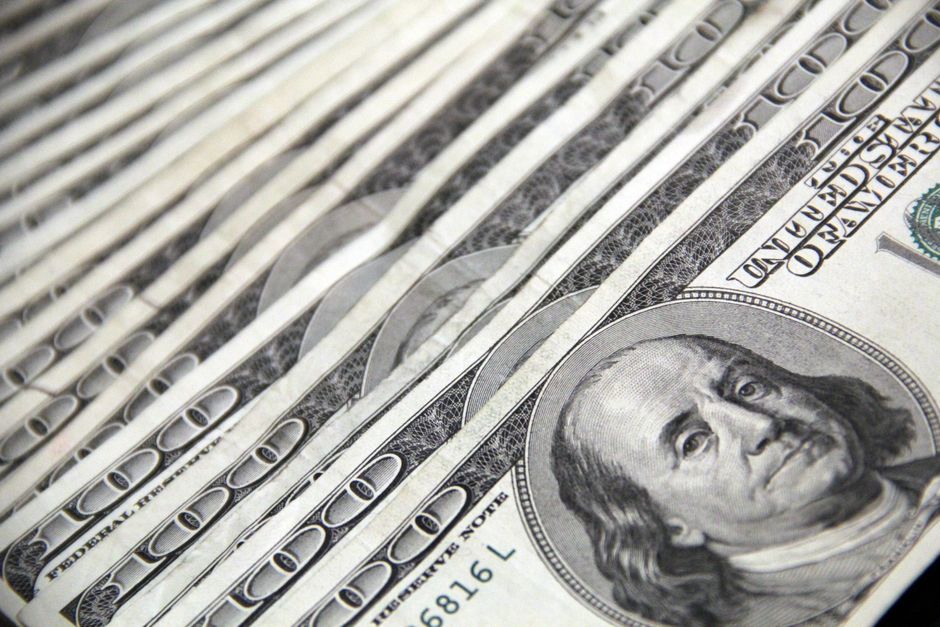
4. The Timing Was Everything
Trump's payment came just days before a deadline that would have allowed Carroll's lawyers to start seizing his assets. In December 2023, a federal judge denied Trump's request to delay the payment while he appealed. The clock was ticking. According to court documents, Carroll's legal team had prepared to file liens on Trump's properties—including his Trump Tower penthouse and his Mar-a-Lago estate—if he didn't pay by the court-ordered date. The payment avoided that spectacle, but just barely. It suggests that Trump, despite his bluster, understands the cold logic of the legal system: ignore a court order long enough, and you might lose a building.
5. This Isn't Over
The $5 million payment closes one chapter, but the story has more pages. Carroll has a second defamation lawsuit against Trump, filed in 2022 after Trump made new statements about her on social media and in a CNN town hall. That case is scheduled for trial in January 2024. And Trump faces other legal battles—including criminal indictments in New York, Florida, Georgia, and Washington, D.C.—that could result in far steeper penalties. The Carroll case is a microcosm of Trump's relationship with the law: he fights every accusation with denial and delay, but eventually, the system extracts a price. Whether that price is high enough to change behavior is another question.
For now, E. Jean Carroll has a judgment in her favor and a payment in escrow. She also has something less tangible: the knowledge that a jury believed her. In a world where powerful men often avoid accountability, that's no small thing.
What This Means for the Rest of Us
This case isn't just about one woman and one former president. It's a test of how the legal system handles allegations of sexual misconduct against the wealthy and powerful. According to data from the National Women's Law Center, fewer than 5% of sexual assault claims ever result in a civil judgment. Most survivors never file a lawsuit, and those who do often face years of litigation, public scrutiny, and financial strain. Carroll's case took four years from the initial accusation to the verdict. She had to relive a traumatic event in public, withstand attacks from the most powerful man in the country, and wait for a jury to decide her fate. That she prevailed is remarkable. That it took so long is a damning commentary on the barriers survivors face.
The $5 million payment is a headline, but the real story is about persistence. Carroll kept going when it would have been easier to quit. She hired good lawyers, presented compelling evidence, and trusted the process. The result is a rare moment of accountability in a system that often lets the rich and famous off the hook. It's not a perfect ending—there's no such thing in cases like this—but it's an ending. And for now, that's enough.
