5 Hard Truths About the Coast Guard's Suspended Alcatraz Search
When news broke that the US Coast Guard had suspended its search for three missing people after a boat sank near Alcatraz, the headline hit like a cold wave. But beyond the brief reports and the inevitable bot-blocked search results lies a story about the brutal realities of maritime rescue—and the quiet, methodical work that happens when hope fades. Here are five things this incident forces us to confront.
1. The Coast Guard Makes Heartbreaking, Data-Driven Calls
Search-and-rescue isn't a TV drama where heroes pull people from the water just before the credits roll. It's a science of probabilities. The Coast Guard uses complex models—factoring in water temperature, currents, time elapsed, and survival rates—to decide when to keep looking and when to stop. In the waters near Alcatraz, the Golden Gate's notorious currents can sweep a person out to sea in minutes. According to data from similar incidents in the San Francisco Bay, survival time in 50-degree water without a wetsuit is measured in hours, not days. Suspending the search isn't giving up; it's a recognition that the ocean has already made its ruling.
2. Alcatraz Isn't Just a Tourist Attraction—It's a Maritime Hazard
Most people know Alcatraz as an old prison and a ferry stop. But the island sits in one of the most treacherous patches of water on the West Coast. The convergence of the Sacramento River delta, Pacific tides, and the bay's unique geography creates rips and eddies that can flip a small boat without warning. The three missing people weren't on a tourist ferry; they were on a private vessel that sank near the island. Local fishermen and harbor pilots have long warned that the channel between Alcatraz and Angel Island is no place for an inexperienced captain. This isn't the first tragedy here, and it won't be the last—unless more boaters respect the bay's muscle.
3. The Search Itself Was a Monumental, Quiet Effort
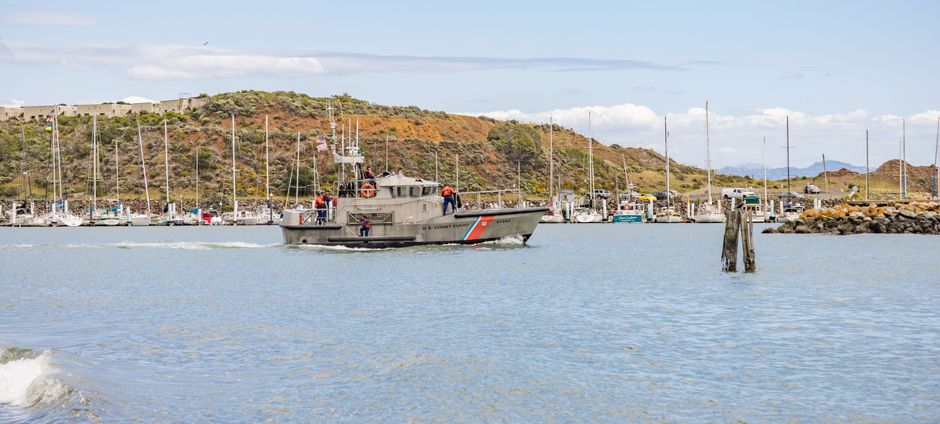
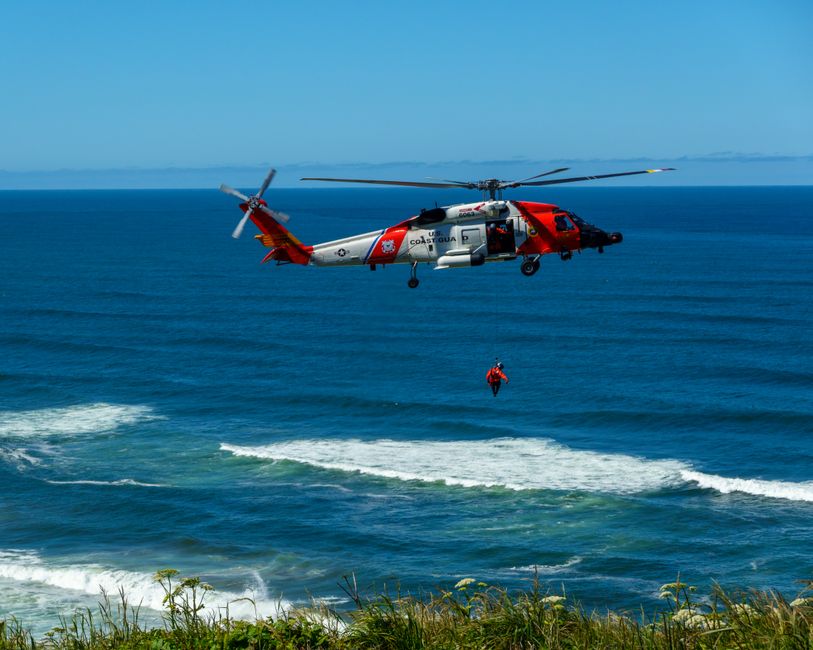
Before the suspension, the Coast Guard threw serious resources at the scene. They deployed helicopters, small boats, and cutters, sweeping a grid pattern across miles of open water. The search area covered the triangle between Alcatraz, the Golden Gate Bridge, and the Marin Headlands. Crews worked in shifts, scanning for debris, life jackets, or any sign of the missing. But the bay is deep and dark, and the currents don't pause for human grief. One rescue swimmer told a local paper that searching those waters is like "looking for a needle in a haystack that's constantly moving." The effort was professional, relentless, and ultimately fruitless.
4. The Families Are Left in a Brutal Limbo
There's a specific cruelty to a suspended search: it's not a death certificate, but it's not hope either. The families of the three missing people now face a reality where their loved ones are presumed lost, but without the closure of recovered remains. They'll wait for any debris to wash ashore, for a call from a marina, for a fisherman's discovery. Support groups for families of missing boaters describe this as a second trauma—the endless "maybe." The Coast Guard offers counseling and updates if new evidence emerges, but the emotional toll is incalculable. For the friends and relatives, the bay becomes a permanent, unanswered question.
5. This Should Make Every Boater Rethink Their Safety Gear
If you own a boat in the Bay Area, this incident is a free lesson. Experts note that the three missing people were likely not wearing life jackets—a common oversight on calm days. But even with life jackets, survival in cold water depends on having a means of communication that works when wet. A VHF radio is more reliable than a cellphone. An emergency position-indicating radio beacon (EPIRB) can cut search time from hours to minutes. And a dry suit or wetsuit can extend survival time dramatically. The Coast Guard's data shows that in 90% of fatal boating accidents, the victims were not wearing life jackets. The Alcatraz sinking is a grim reminder that the ocean doesn't care about your plans—only your preparation.
This story isn't about blame or heroics. It's about a group of people who went out on the water and never came back, and the professionals who had to make the impossible call to stop looking. The bay keeps its secrets. But the rest of us can learn from them.
